
Venue
CENTQUATRE-PARIS
Paris, Île-de-France, France
Biography of CENTQUATRE-PARIS
The 104, a funeral factory turned into a living nave
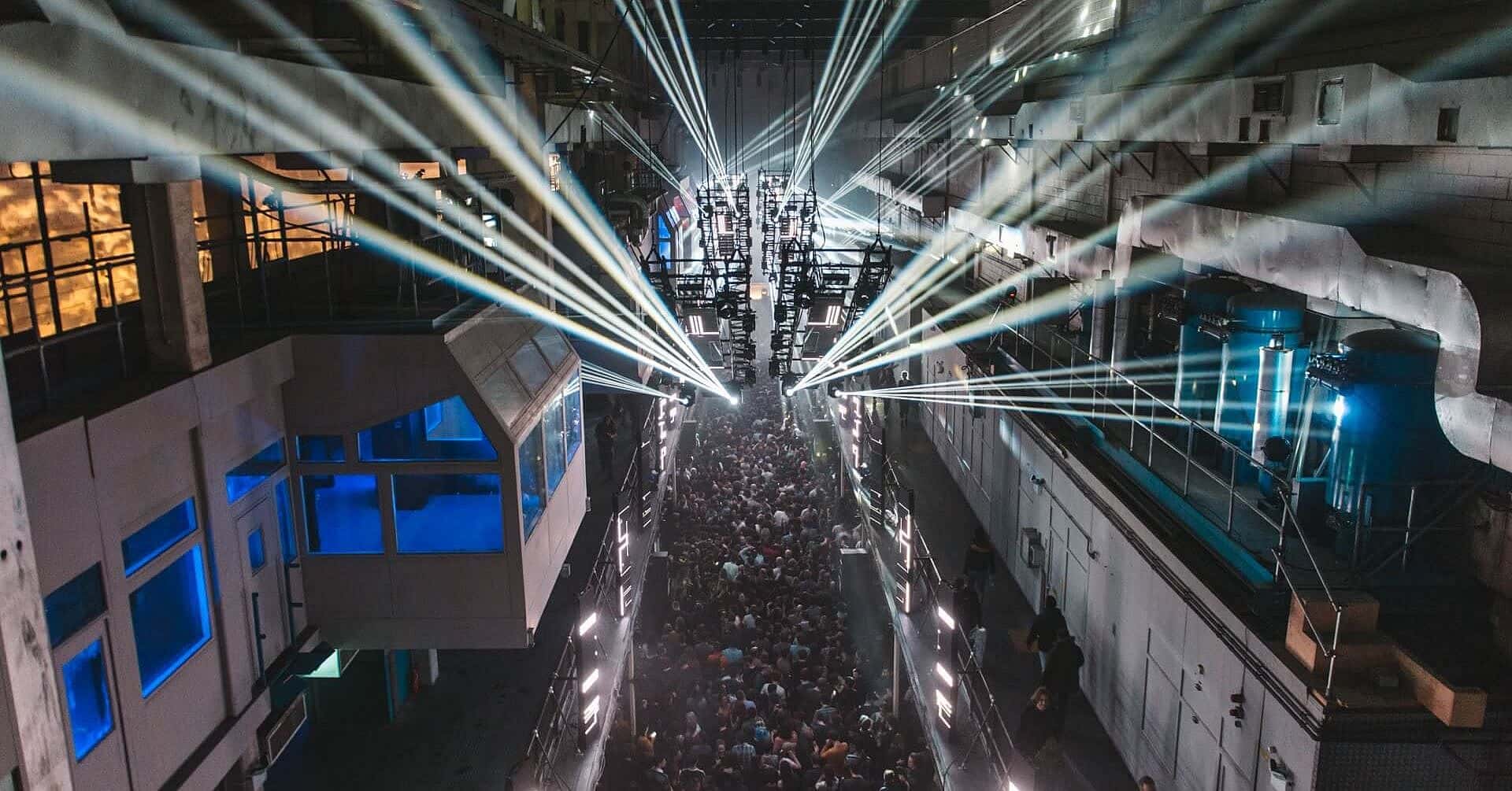
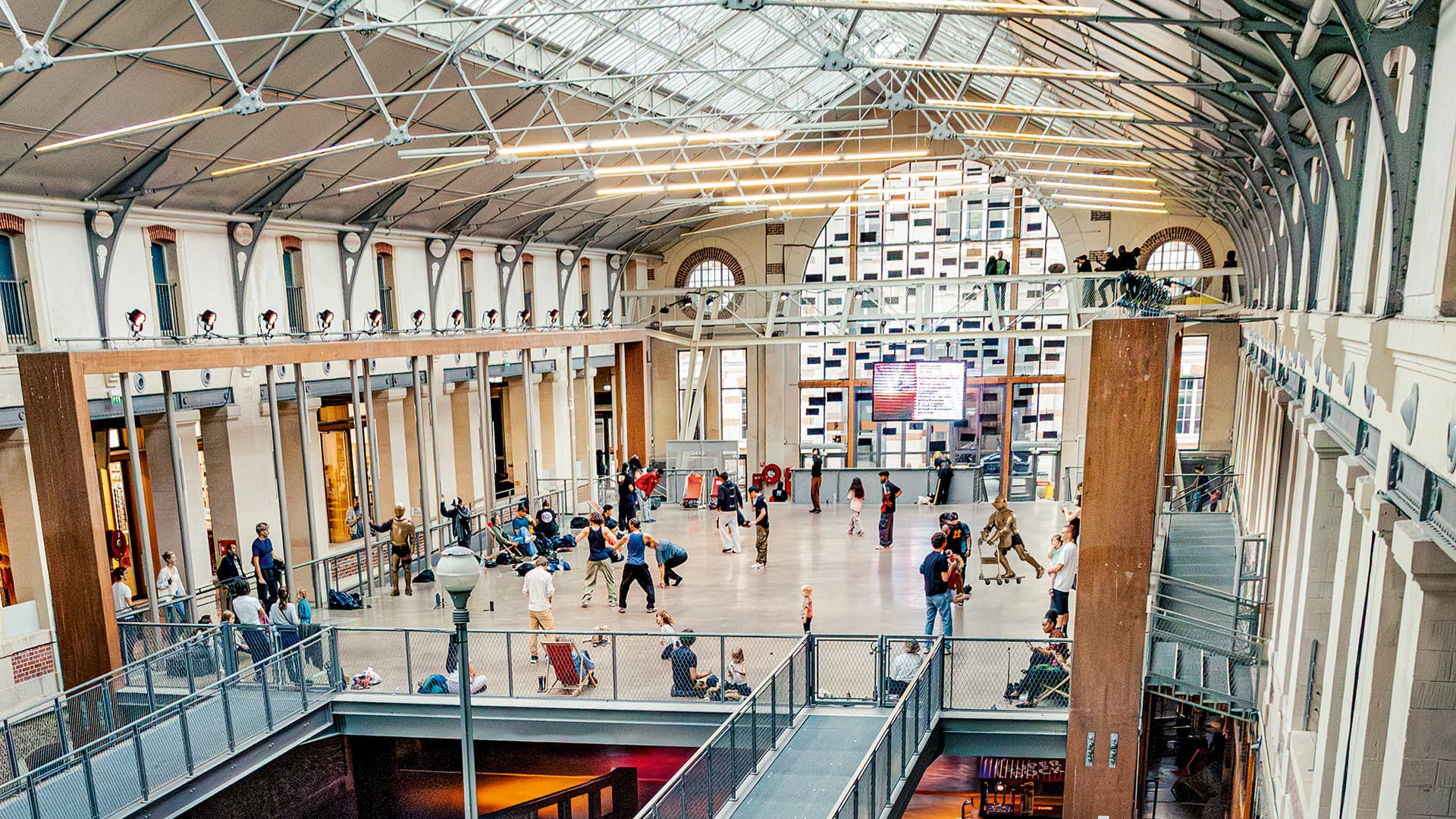
Before an electronic kick drum ever sounded under its glass roofs, the site at 104 rue d'Aubervilliers was the rearguard of Parisian death. In 1874, under the direction of Victor Baltard, Édouard Delebarre Debay and Godon built an industrial complex of iron, brick, and glass: two halles over 270 meters long, coffin workshops, eighty hearses, and, in the basement, stables for hundreds of horses. More than a thousand people organized up to 150 funeral processions a day. The building, registered as a historical monument in 1997, was emptied when the municipal monopoly ended and, until 2003, it was a territory for urban exploration and street art.
2008: opening the naves without erasing the memory
The Paris City Council entrusted the renovation to Marc Iseppi and Jacques Pajot (Atelier Novembre). On October 11, 2008, the CENTQUATRE-PARIS was born as a public cultural cooperation establishment, with its main entrance at 5 rue Curial, in the 19th arrondissement. It occupies about 40,000 m². After a highly debated first artistic mandate, José-Manuel Gonçalvès directed the venue from 2010 to September 2025; Valérie Senghor, who had already participated in its development, takes over the direction. The project does not disguise the old factory: it turns it into an open creation platform.
Electronic, house and scene under the Nef Curial
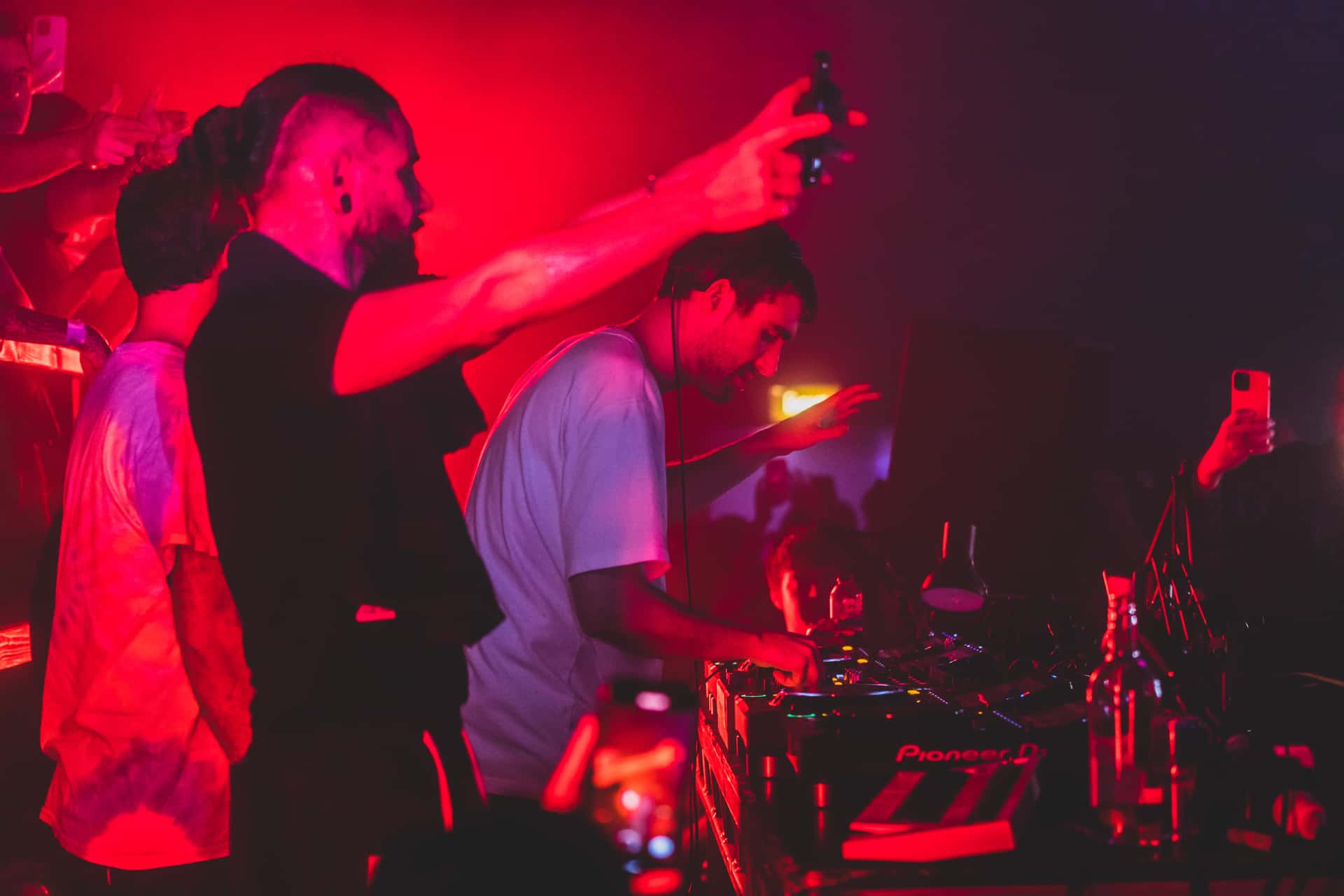
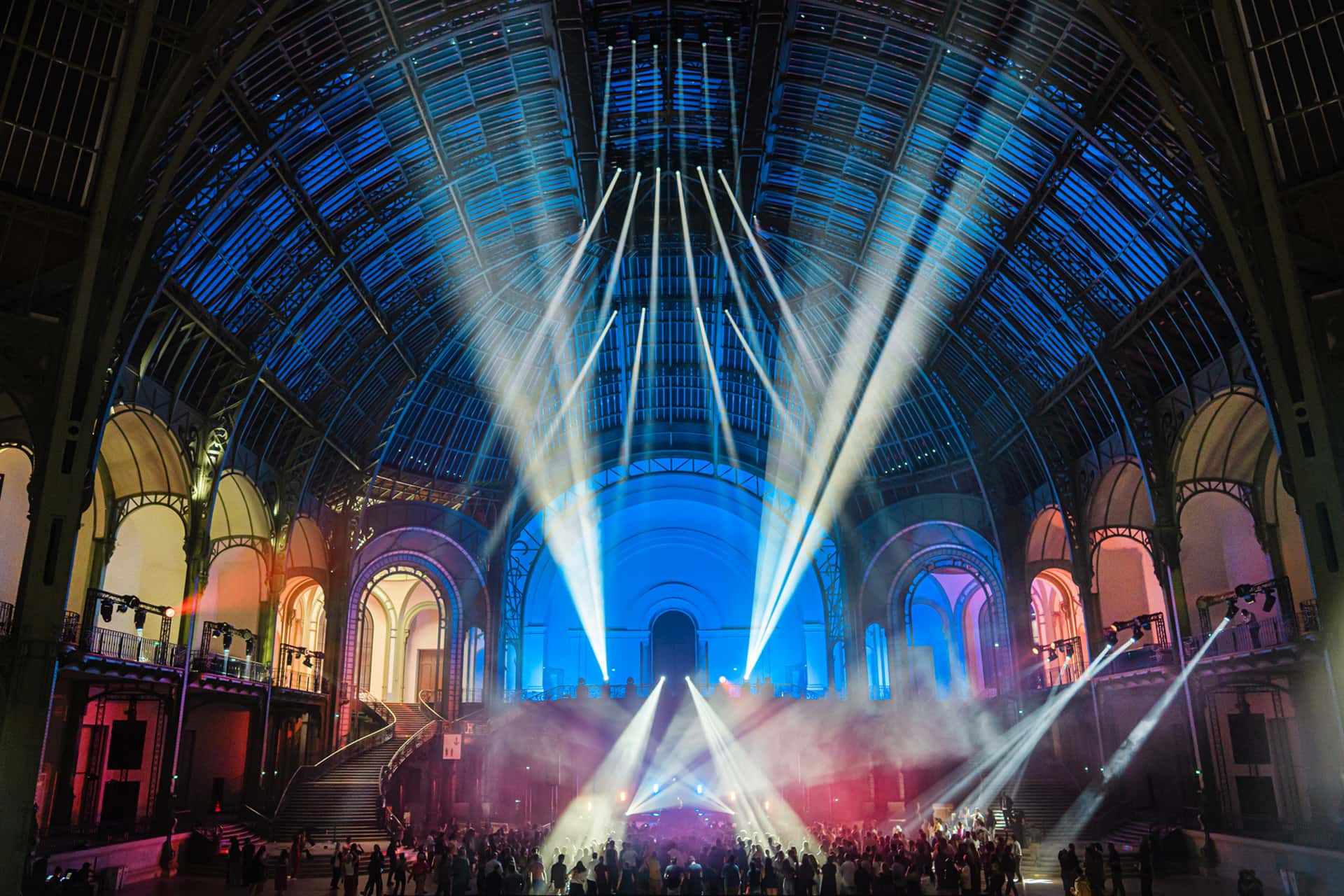
The Nef Curial, the great nave on the Curial side, is today the natural space for standing concerts. There, house, French Touch, live electronics, and digital arts coexist: the Némo biennial, IRCAM cycles (ManiFeste, Électro-Odyssée), and INA GRM nights with the Acousmonium. In 2026, the venue programmed Marathon! with Rival Consoles and Molécule, and the Super Discount Festival by Étienne de Crécy, with Felix Da Housecat, Jayda G, Tiga, or Uffie. The venue is multidisciplinary: electronics are presented alongside theater, dance, and circus, with about 90 shows and concerts and 210 residencies per year.
An inner city for daily access
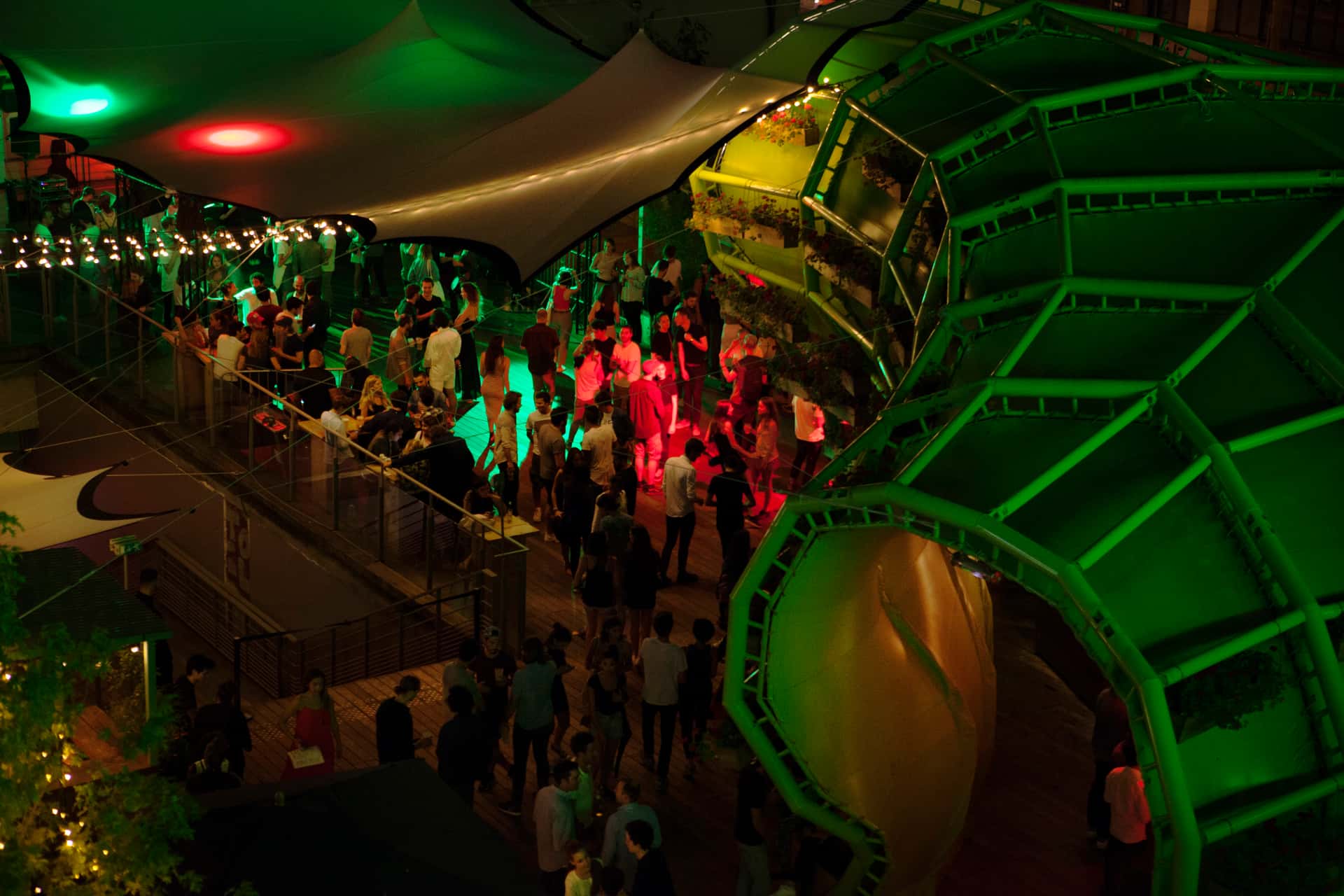
From Tuesday to Sunday, under the glass naves, the open spaces host dance, roller skating, and spontaneous rehearsals. The venue is completed by the Salle 200 and Salle 400, the former Écuries, a garden, boutiques, restaurants, the Saturday organic market, and the Maison des Petits. Nearly 550,000 annual visits cross a place designed as an artistic neighborhood city, not as an exclusive access venue. Closed on Mondays, it extends its hours on event nights.