

Venue
Le 211
Paris, Île-de-France, France
Biography of Le 211
Facing the Grande Halle, the path towards the Ourcq canal ends at a grey brick facade with a 211 drawn in a square. The venue took the number of the Avenue Jean Jaurès and opened at the beginning of 2022 as a bar, restaurant, and club space in the heart of the Parque de la Villette, with the support of the City of Paris and the Île-de-France region.
A concrete ocean liner by the water
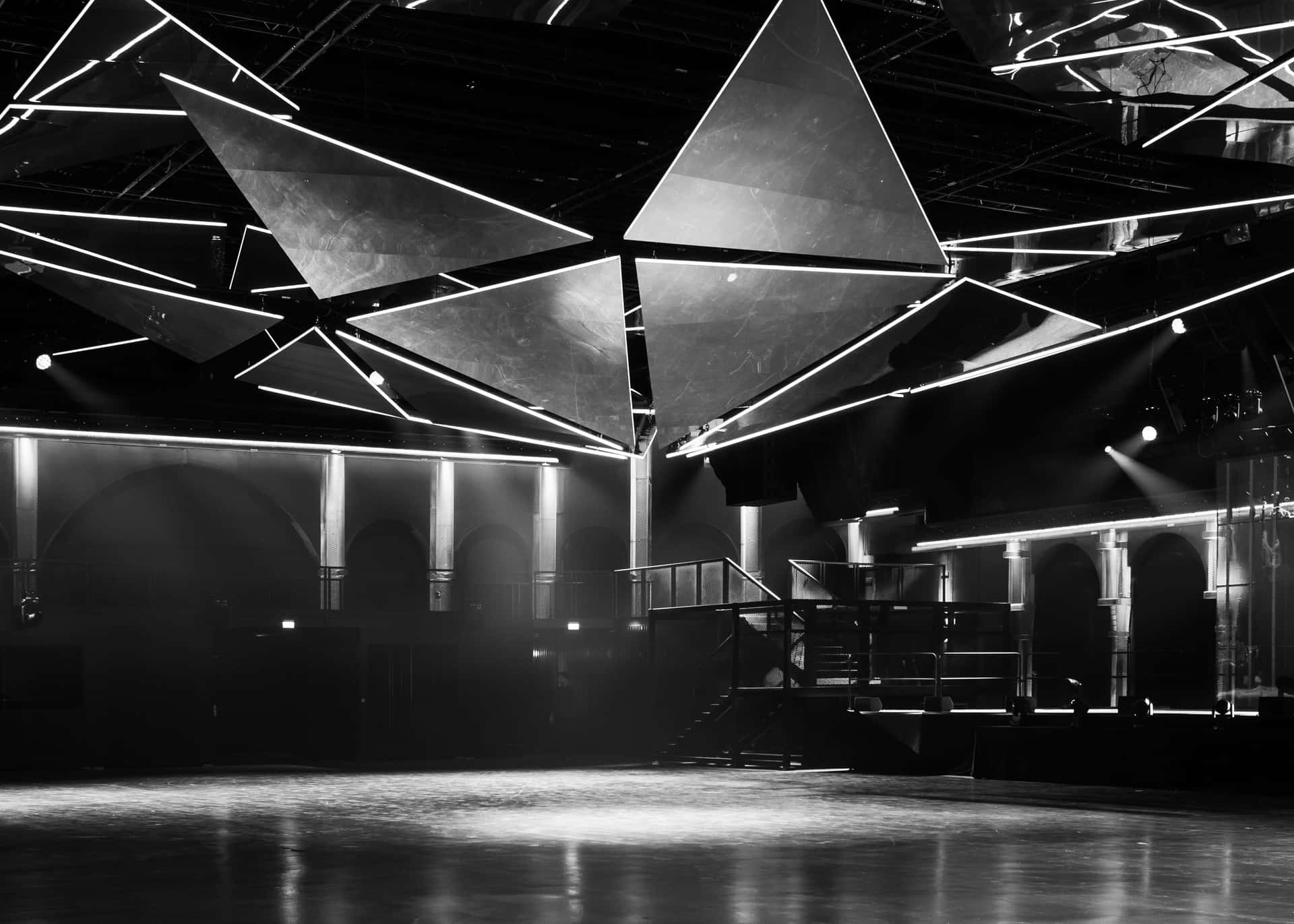
The building reads like a small ocean liner: floor-to-ceiling windows, a terrace on the cobblestones, and the canal just a step away. Inside, the main nave—the Nef—occupies 250 m² with seven-meter high ceilings, concrete pillars, and a dance floor that is a dining room by day and darkens under hanging bulbs by night. The Petit Club, with a speakeasy vibe, adds a rooftop over the Ourcq. The Carré RATP functions as a lower, more intimate corner. In total, there are five modular spaces—three indoor, two terraces, and the rooftop—designed to transition from an afterwork to a long set without changing locations.
The dance floor, from Cut Killer to early morning techno
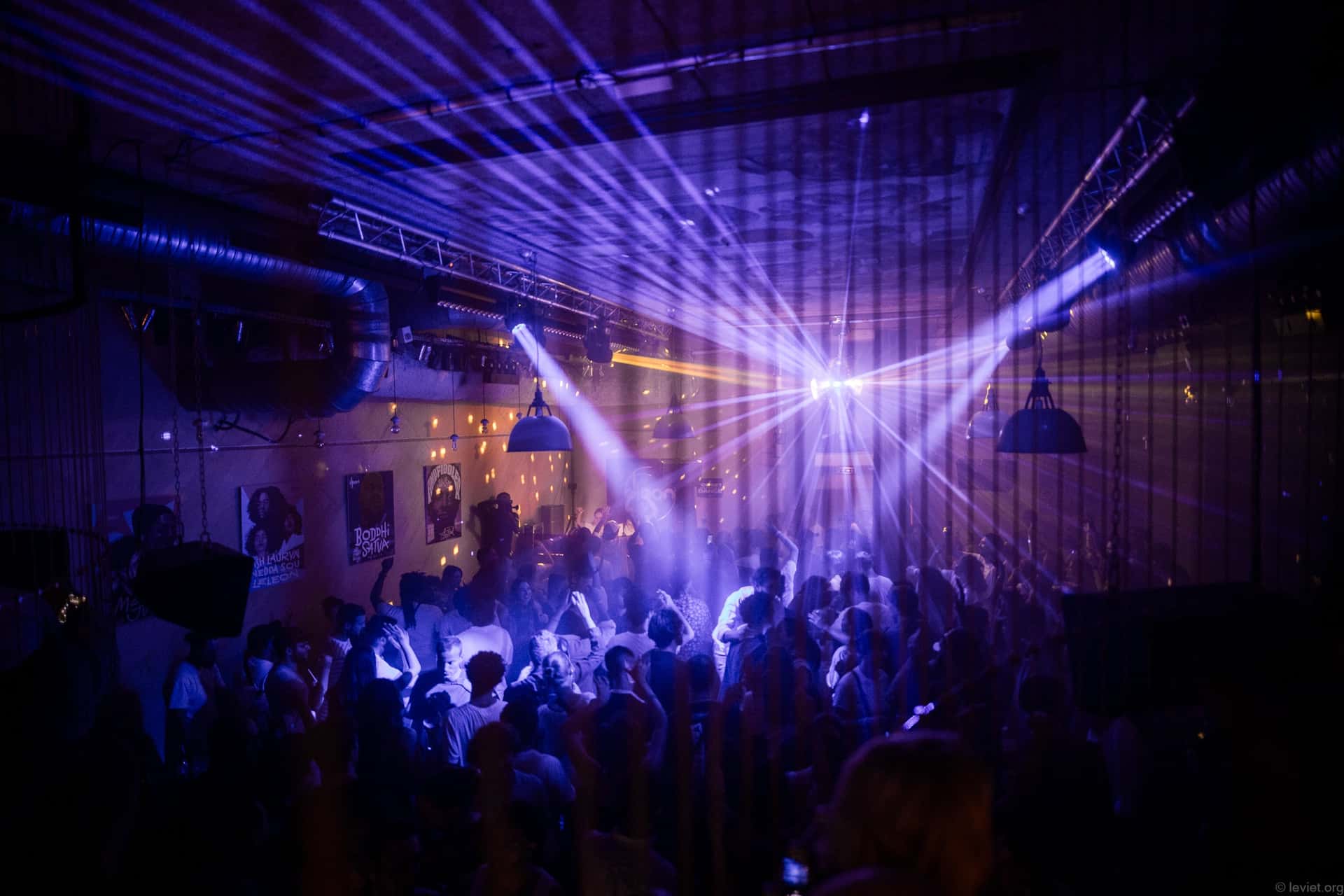
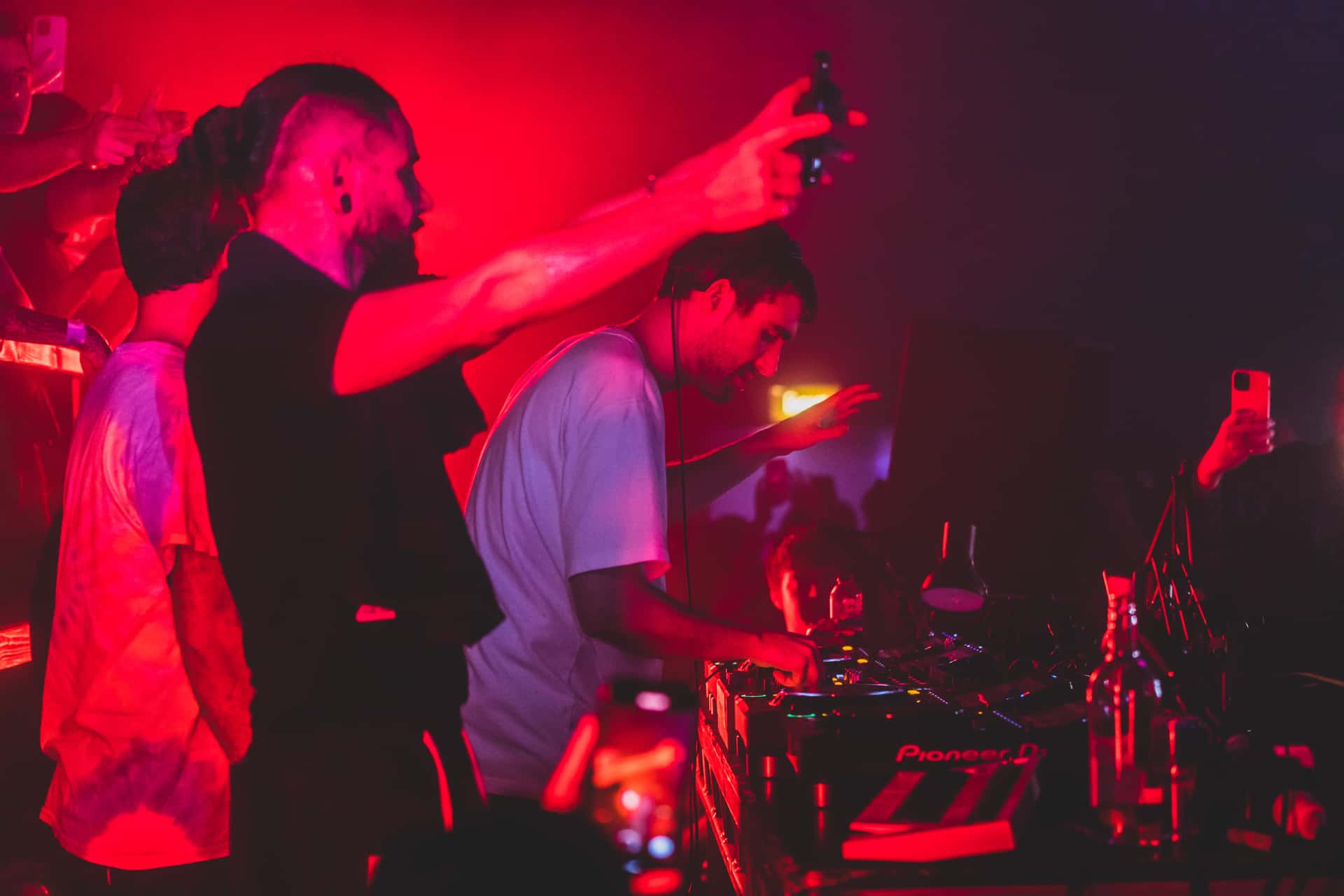
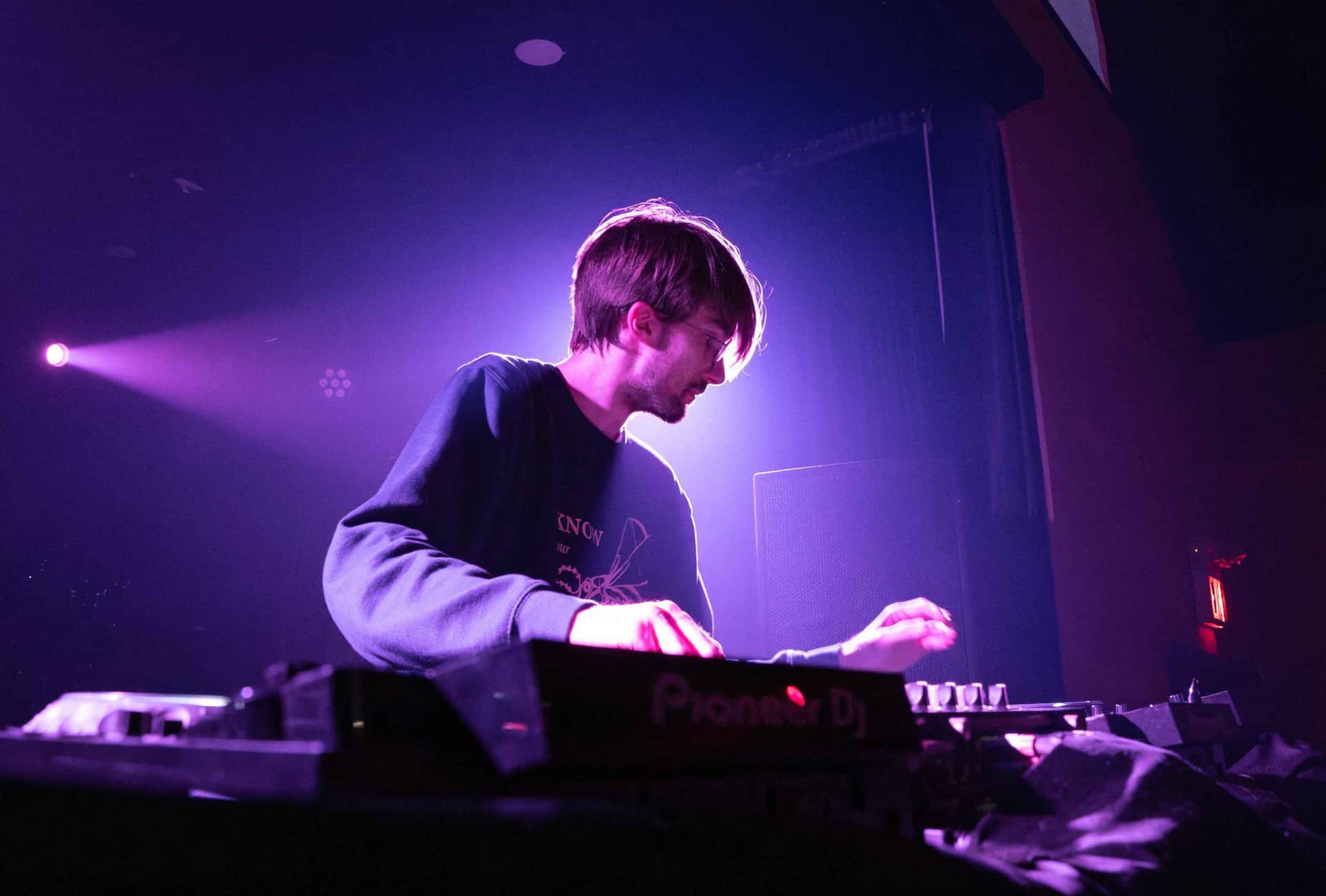
Music has been a core element since the first month. In May 2022, 211 hosted Cut Killer and Solo from Assassin, and since then it has brought together electronic music and hip hop with house, techno, afro, dancehall, or shatta. Collectives and labels occupy the booth until 05:00 or 06:00 on club nights, while other time slots are reserved for daytime parties by the canal, short concerts, or DJ residencies. The venue presents itself as a safe place, with municipal support and backing from Fêtez Éclairs: the dance floor is designed for a diverse audience, not just a single musical tribe.
One thousand people, two terraces, and the park as a threshold
The capacity reaches 1,000 people when terraces and indoor areas are opened. Outside, there are about 800 m² of wooden tables and benches facing the water and the park; late closing is possible when there is club programming. You enter on foot from Porte de Pantin, leave your car at the Q-Park at the Cité de la Musique or the Philharmonie, and leave in the early morning through the same gallery. That porosity between food, terrace, and dance floor is the feature that 211 has documented best: it is not a techno basement or a classic concert hall, but a Villette venue where electronic music occupies the nave when night falls.