
Brand
Barraca
Sueca, Valencia, Spain
- Techno
Biography of Barraca
Living Legend of the Route
To talk about Barraca is to talk about the very history of clubbing in Spain. Opened in 1965 (officially in '68) in Les Palmeres, Sueca (Valencia), Barraca holds the title of being one of the longest-running and most significant clubs in the country. Its original structure, inspired by the typical Valencian 'barracas' of the orchard, was the seed of a cultural revolution that would forever transform the Spanish nightlife: the Ruta del Bakalao (or Ruta Destroy).
In its beginnings, under the direction of visionaries like Carlos Simó in the early 80s, Barraca was a pioneer in introducing avant-garde sounds that were not heard anywhere else on the peninsula. Bands like Depeche Mode, The Cure, Bauhaus, or Simple Minds played there before they were massive. Barraca was not just a nightclub; it was a space of freedom, performance, and avant-garde theater where everything was possible.
Musical Style: From Guitar to Techno
The musical evolution of Barraca is the history of dance music. It began with pop-rock and the darkest, most experimental post-punk, evolving towards EBM (Electronic Body Music) and the industrial sound that would define the "Valencia Sound". Over the decades and after overcoming the crisis at the end of the Route, Barraca masterfully reinvented itself towards quality Techno and Tech House.
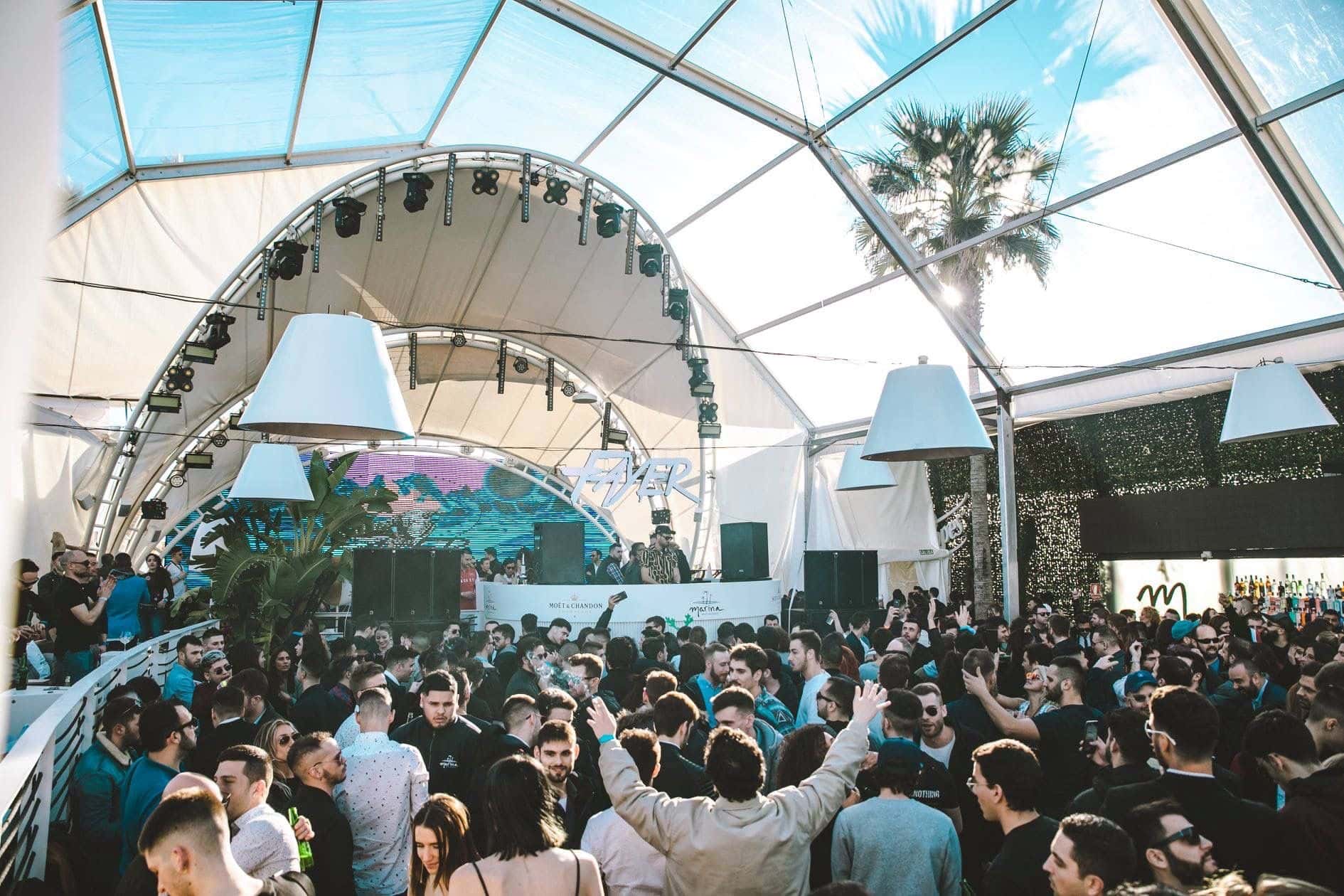
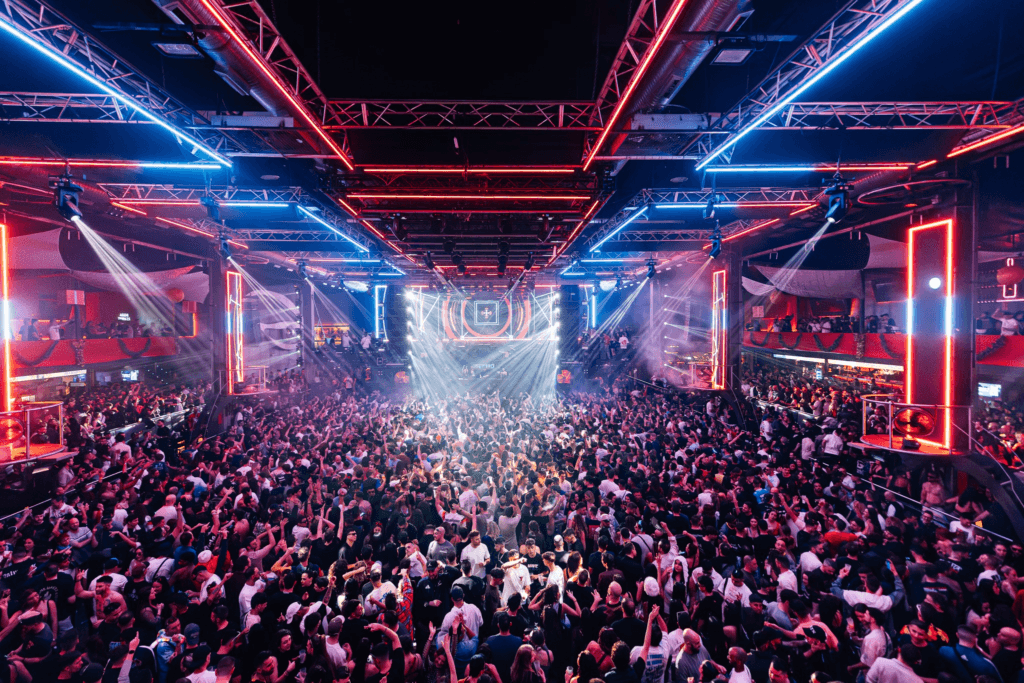
Nowadays, its four rooms offer differentiated atmospheres, but the common denominator is electronic quality. The Circo room, with its impressive capacity and sound, is the temple of hard-hitting Techno. The Barraca room (the original one) maintains a more clubber spirit, while the Terraza recovers the Mediterranean essence.
Highlighted Events: The Temple of Techno
Barraca has been the home of legendary sessions and has seen practically all the legends of global electronic music pass through. From Richie Hawtin and Laurent Garnier to Marco Carola, Oscar Mulero, or Ricardo Villalobos. Its anniversaries are mandatory pilgrimage events, where its musical legacy is reviewed.
Its own festivals like the Palmeras Festival demonstrate that the brand continues to have massive drawing power. Barraca has managed to maintain its status as a "Cathedral", a place of respect where music is the only thing that matters, surviving passing trends and maintaining an unwavering loyalty to underground culture.
Impact on the Scene
The legacy of Barraca is incalculable. It was the epicenter of a unique social and cultural movement in Europe. It introduced the figure of the DJ as an artist and musical curator in Spain. Despite the years, it remains a reference for quality and avant-garde. It is not a museum of the past, but a living institution that continues to educate new generations of clubbers in the respect for music and club culture. Entering Barraca is stepping on sacred ground of electronic music.