
Venue
Circuit de Barcelona-Catalunya
Montmeló, Barcelona, Spain
Biography of Circuit de Barcelona-Catalunya
The paddock, turned into a techno square
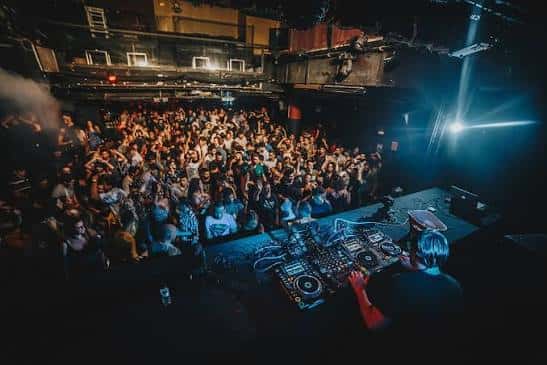
In June 2025, the paddock of the Circuit de Barcelona-Catalunya stopped being just a pit lane rear guard and was used, for the first time, as a large-scale electronic music venue. The Afterlife Festival occupied that 48,000 m² asphalt platform on June 13 and 14, with Anyma and MRAK leading a melodic techno lineup that included Mind Against, Kevin de Vries, Recondite, CamelPhat, and Gordo. More than 42,000 people passed through Montmeló over two days, spread across two stages, VIP areas, and a light and visual production set up on the same ground that, during a Grand Prix weekend, hosts team hospitality. There is no nightclub with fixed walls: there is a world-class racetrack whose technical courtyard transforms into a club's main square.
A permanent track for the two world championships
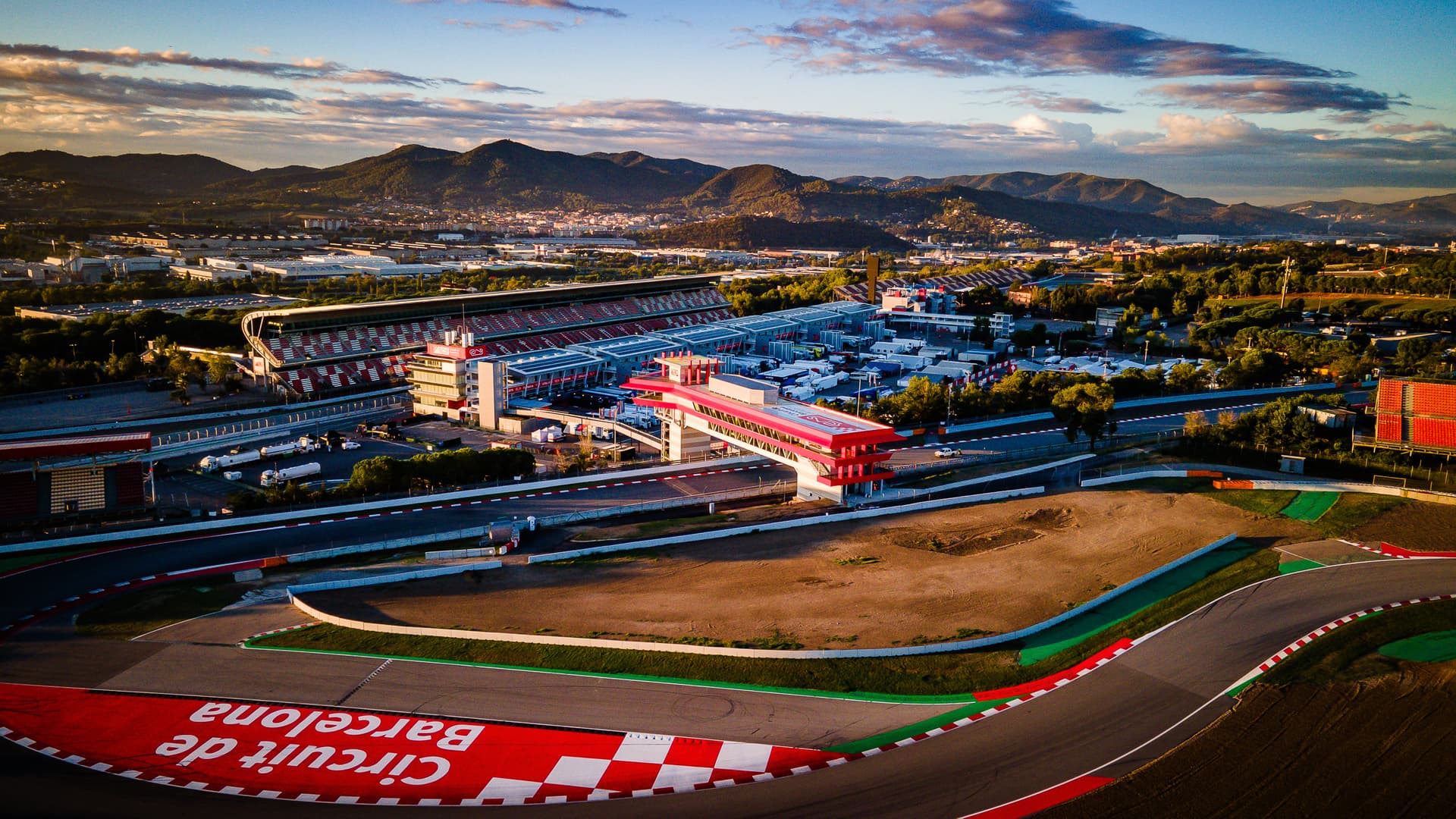
The venue was inaugurated on September 10, 1991 in Montmeló, about 32 km from Barcelona, to return a permanent circuit to Catalonia after Formula 1 said goodbye to Montjuïc. Weeks later, it was already hosting the Spanish Grand Prix and, the following year, the MotoGP calendar. The 4.657 km asphalt, with FIA Grade 1 homologation, established itself as a testing laboratory and as the uninterrupted home of both championships. The public also knows it as the Circuito de Montmeló. Until 2013, its official name was Circuit de Catalunya, when the Barcelona City Council joined the consortium and the venue adopted its current name. The total capacity reaches 140,700 spectators, with 55,000 seats in the grandstands.
Festival infrastructure on the asphalt
Beyond the track, the Circuit operates as a venue for concerts and outdoor events. The entire paddock can hold up to 50,000 people standing; half that, 25,000; the Main Grandstand Fan Zone and the old heliport area, around 7,000 each. There are more than 15 indoor rooms, suites, hospitality spaces, and 9 large outdoor areas, in addition to parking. Guided tours, when the calendar allows, cover race control, briefing, podium, press room, and paddock, with passes at 10:00 and 12:00.
Fira and the venue's second cultural life
Since January 2025, Fira de Barcelona has managed activity through Fira Circuit, with ownership by the Generalitat, the RACC, and the Montmeló City Council. The strategic plan seeks to fill the track outside of the major grand prix events with fairs, leisure, and musical events. Afterlife was proof that the paddock can function as a large-scale electronic stage while remaining a speed circuit. Access is by programming: there is no resident club night or nightclub schedule, and each event sets its own entry gate.