

Venue
The Orange Peel
Asheville, North Carolina, United States
Biography of The Orange Peel
The orange sign on Biltmore Avenue does not announce a recently designed club: it recovers a name that Asheville had already danced to in the seventies, when the brick corner at Hilliard was a floor for soul, funk, and disco.
The skating rink that became a soul club
Between 1950 and 1962 the building operated as the Skateland Rollerdome. Later, the site was occupied by a succession of R&B and soul clubs with color-themed names—jade, emerald, orange—until The Orange Peel established itself as the most well-known in western North Carolina. Its three-level stage hosted The Commodores and The Bar-Kays; nights without concerts were filled with disco and funk from an elevated booth, featuring DJs from WBMU-FM, one of the few Black radio stations in the country. The original club, active mainly between 1974 and 1978, was the last of its kind. Afterward, the venue spent years empty and ended up as a spare parts warehouse.
Reopening the name, not just the building
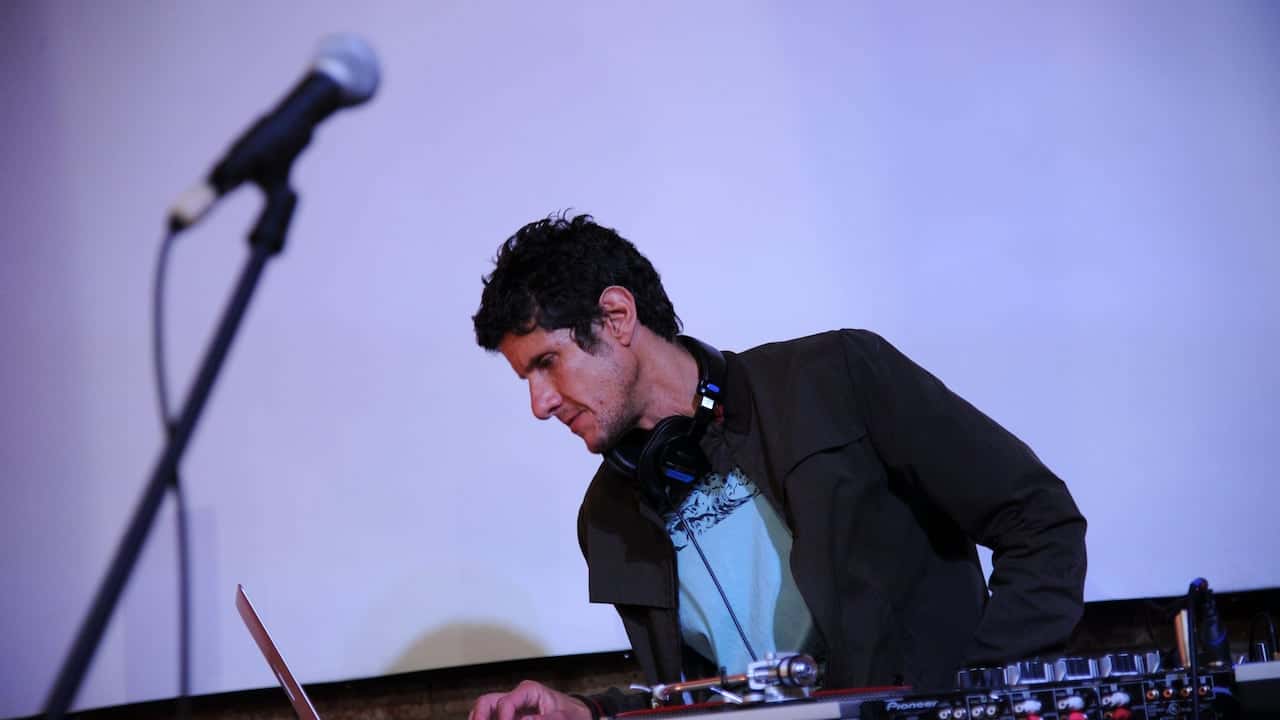
In 2002, Jack and Lesley Groetsch, coming from the Howlin' Wolf in New Orleans, brought back the sign with the support of Public Interest Projects and Julian Price. On October 25, it reopened as the Social Aid and Pleasure Club, with Sonny Landreth and Tift Merritt on the first night. The motto, taken from New Orleans krewes, called for a concert hall and community center at once. In 2008, Rolling Stone placed it among the five best rock clubs in the United States. A year earlier, Smashing Pumpkins chose this 1,000-person box for a nine-night residency; in 2009 Beastie Boys played one of their last club concerts, coinciding with the opening of the Moogseum in the city.
Wood underfoot and big-rig bass
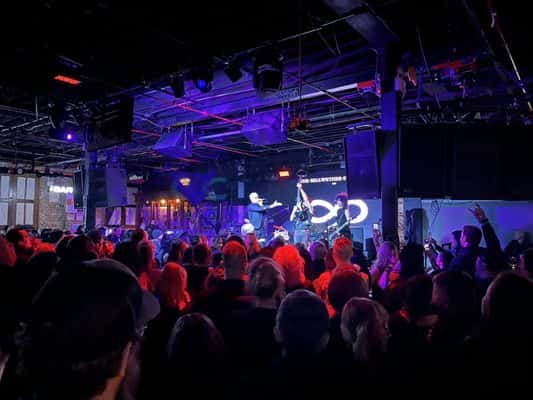
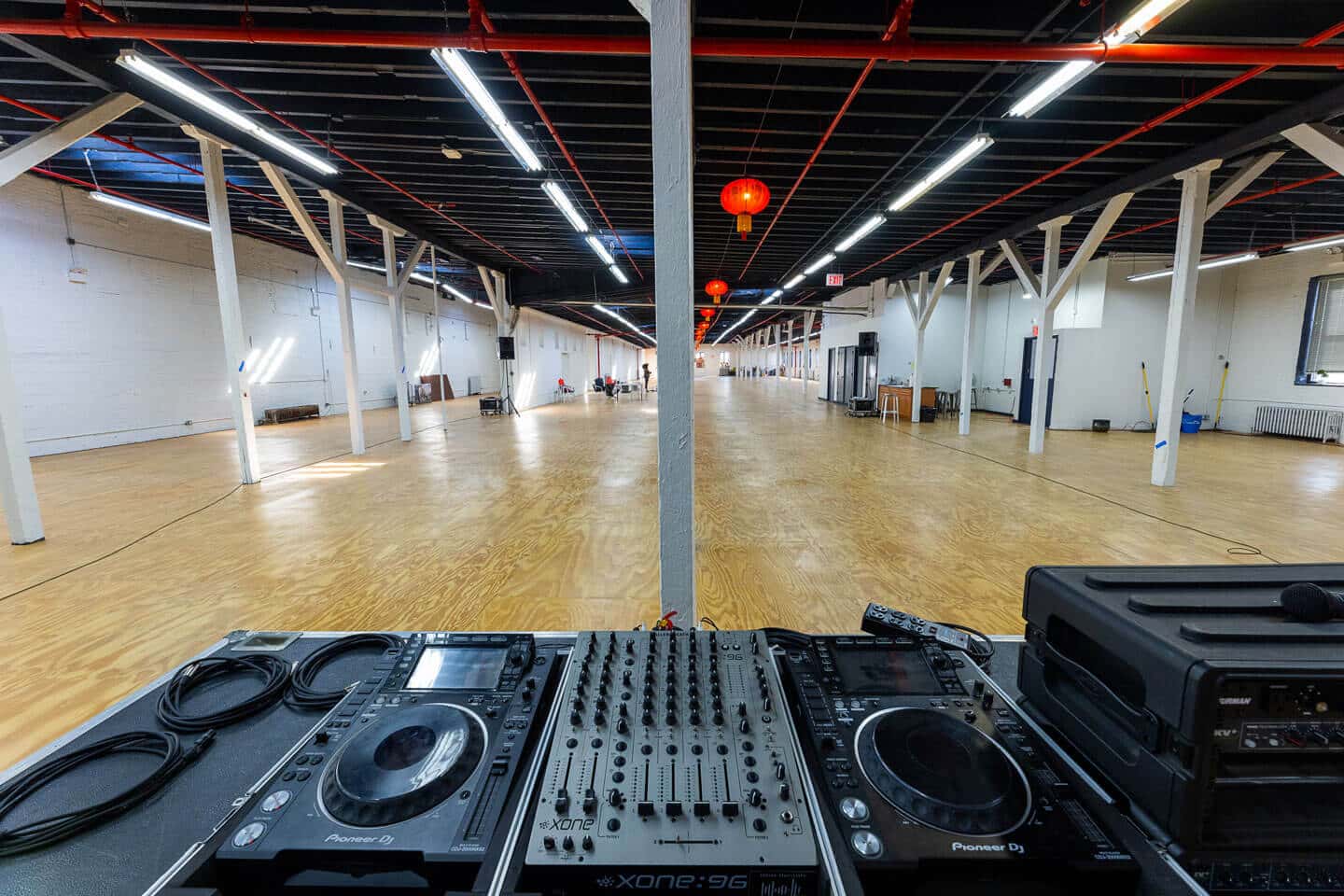
The main room is sold as standing room, with a capacity of 1050 people, a proscenium-style stage, and a wooden floor inherited from the old roller rink. The house PA is d&b audiotechnik V-Series, with Vi line array, flown subwoofers, and a 21S cluster. In 2009, a smoking terrace and PULP, a private club for about 75 people in the basement with a liquor bar and live feed from the stage, were added. The venue is smoke-free, ADA accessible, and does not operate as a fixed-schedule nightclub: it opens based on the programming.
Touring electronics in a multipurpose room
The Peel thrives on rock, hip hop, roots, and indie tours—Bob Dylan, Jack White, Lauryn Hill, Arcade Fire, The Killers—but electronic music has used the same box. Moogfest has occupied it, and its stage has seen Skrillex, Deadmau5, Bassnectar, Pretty Lights, and The Glitch Mob. The wide floor and the d&b system explain why Asheville packs festival-level bass into a neighborhood venue without turning it into a continuous-session club.
Social aid when the city ran out of water
After Hurricane Helene in 2024, with Asheville weeks without running water, the main room was used as a space for nursing mothers and the team distributed food, water, and supplies from the basement. In September 2025, seven historical managers bought the business and the brand from PIP through Big Picture Concert Group, with the property under lease. The Peel at 101 Biltmore Avenue remains the physical venue; Hellbender, outdoors, is a separate site.