Venue
Gashouder
Amsterdam, North Holland, Netherlands
Biography of Gashouder
The iron circle that still rules the night
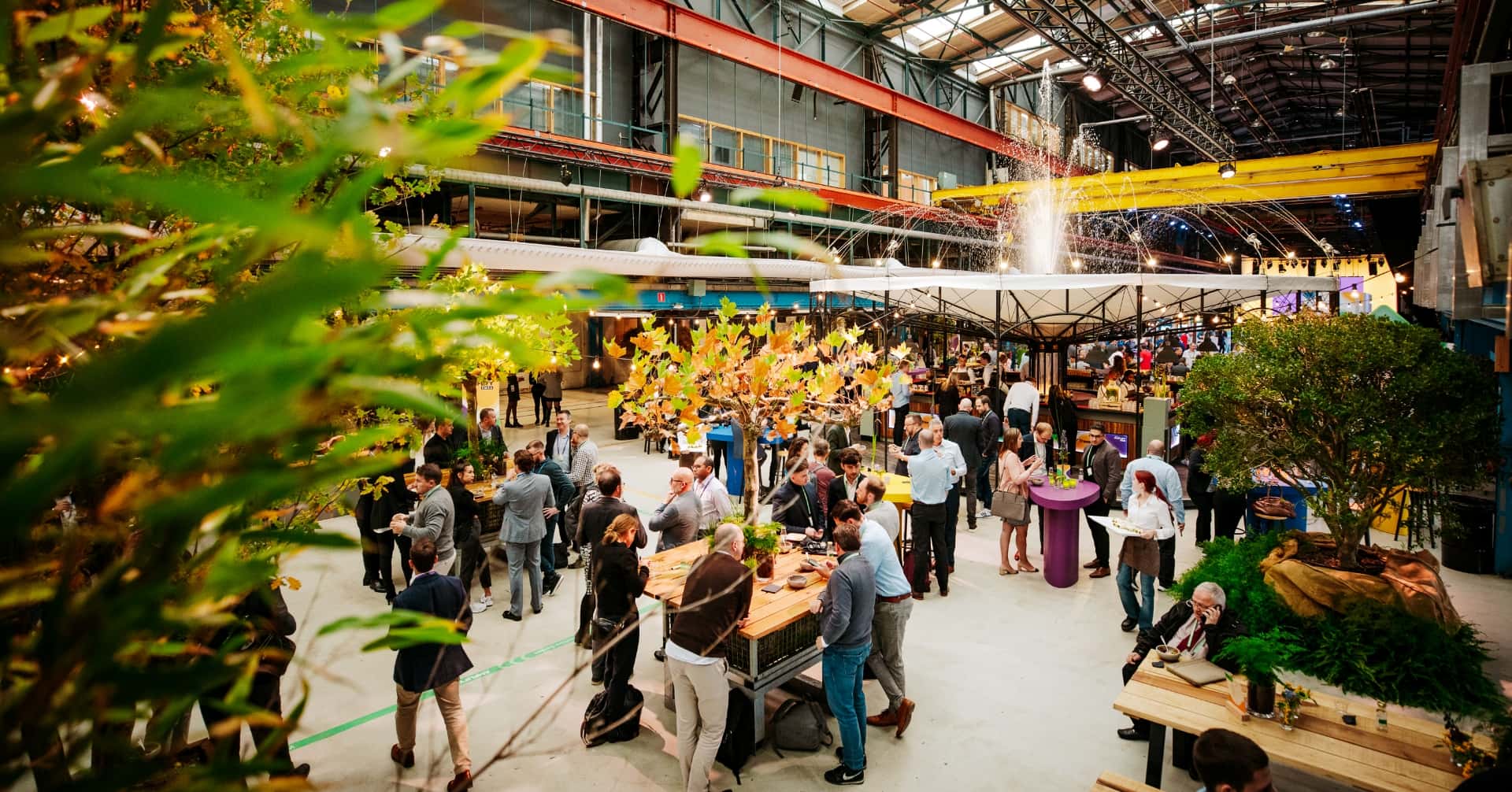
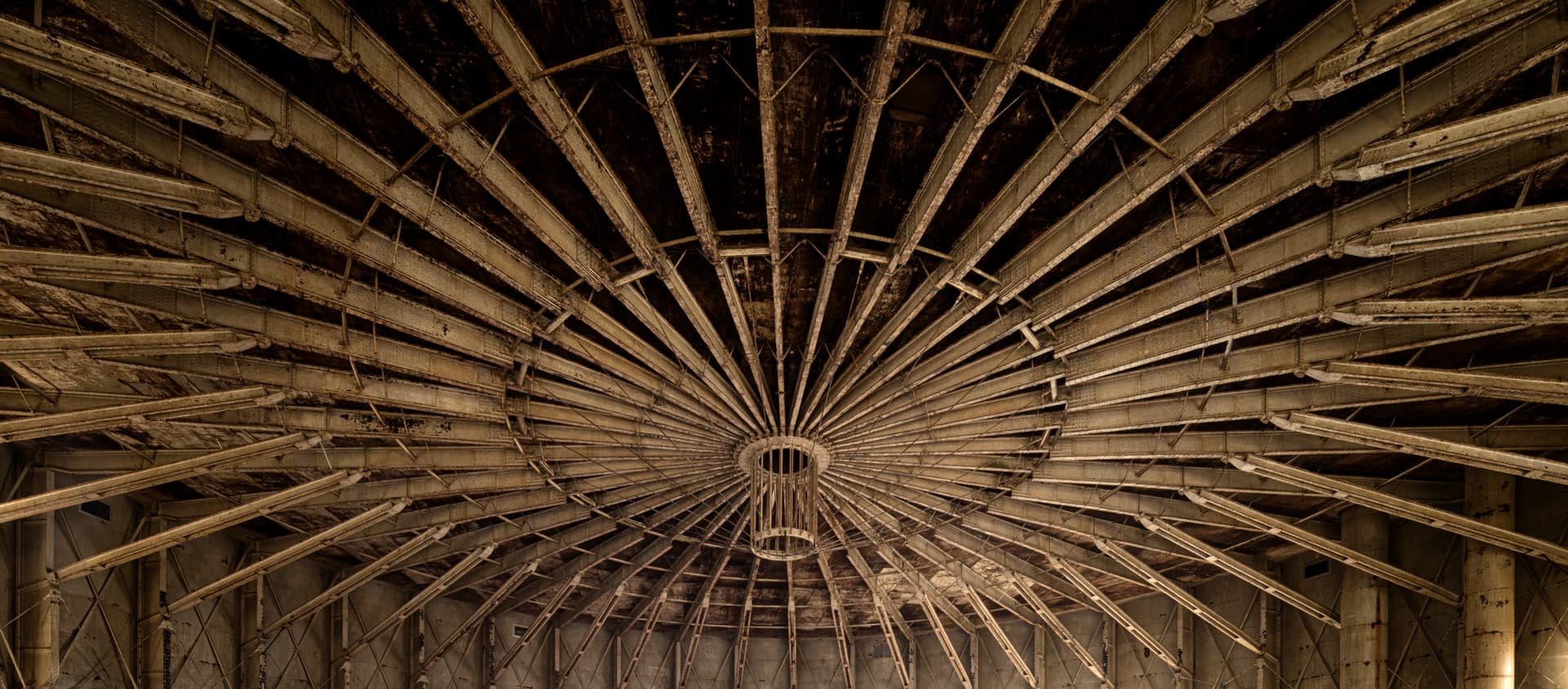
Before it was a dance floor, the Gashouder was a 100,000 cubic meter gas holder: a cylinder of brick and riveted steel, erected in 1902-1903 next to the Westergasfabriek to provide light and heat to Amsterdam. The industrial complex was born in 1885 with a design by Isaac Gosschalk; the gas holder was assembled by Aug. Klönne, from Dortmund, as one of the largest telescopic structures on the continent. When the factory closed in 1967, that empty volume remained as an accidental acoustic luxury. Decades later, the same pillar-less circle—some 2,500 m² of floor space and 14.5 meters of height under the radial dome—became one of the most recognizable chambers in European electronic music.
From abandoned lot to techno temple
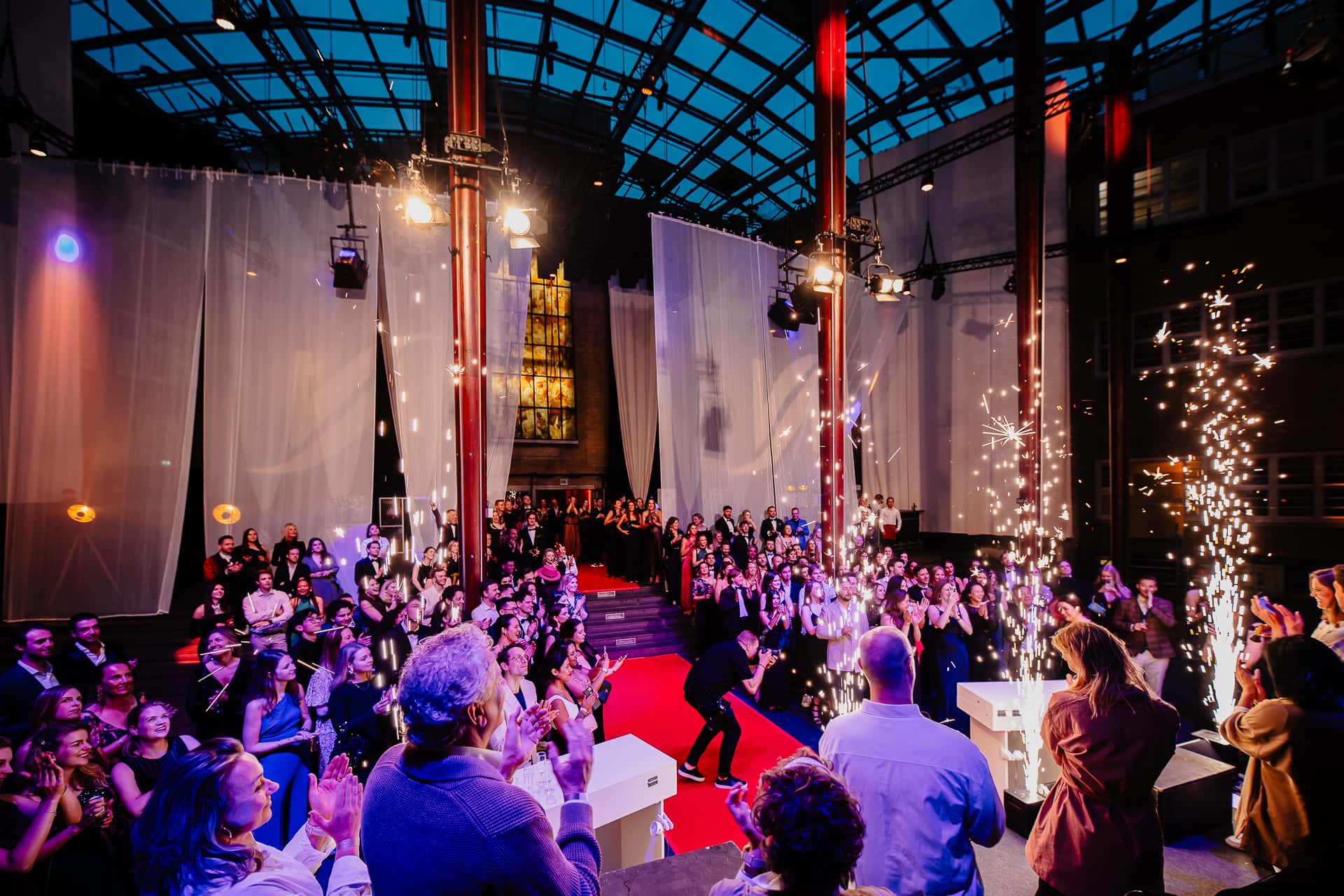
In the early nineties, when the municipal energy company abandoned the site, artists and promoters rediscovered the gas holder. The Holland Festival premiered Ton de Leeuw's opera Antigone in 1993 and proved that the building could support a monumental production. On March 30, 1997, Awakenings was born here, with Derrick May and Billy Nasty among others, and the venue earned the nickname techno temple. For nearly three decades, ADE nights and mid-scale concerts—from Underworld to contemporary house and techno sessions—have used that dome as a stage and as a landmark. The capacity of 3,500 standing people places the Gashouder between a club and an arena: too big for an intimate room, too precise for an anonymous pavilion. It is not a black box: the iron, the brick, and the circular floor plan force every DJ and every audience to negotiate with the building.
Reopening without breaking the monument
After about two years of construction, the Gashouder returns in 2026 as an autonomous cultural venue within the Cultuurpark Westergas. The roof has been reinforced to improve the acoustics; a basement the size of the circle itself has been excavated under the room, with access, lockers, dressing rooms, and facilities. The programming is no longer limited to the dance floor: live acts, dance, art, and performance coexist on the same floor, with fairs like UNFAIR, concerts, and club nights. The building remains a national monument and remains, above all, a volume that circulates energy just as it once circulated gas. Each production has to inhabit the circle; the circle, in return, remains the star of the night.