
The origin of the posthumous work '12 Conversations'
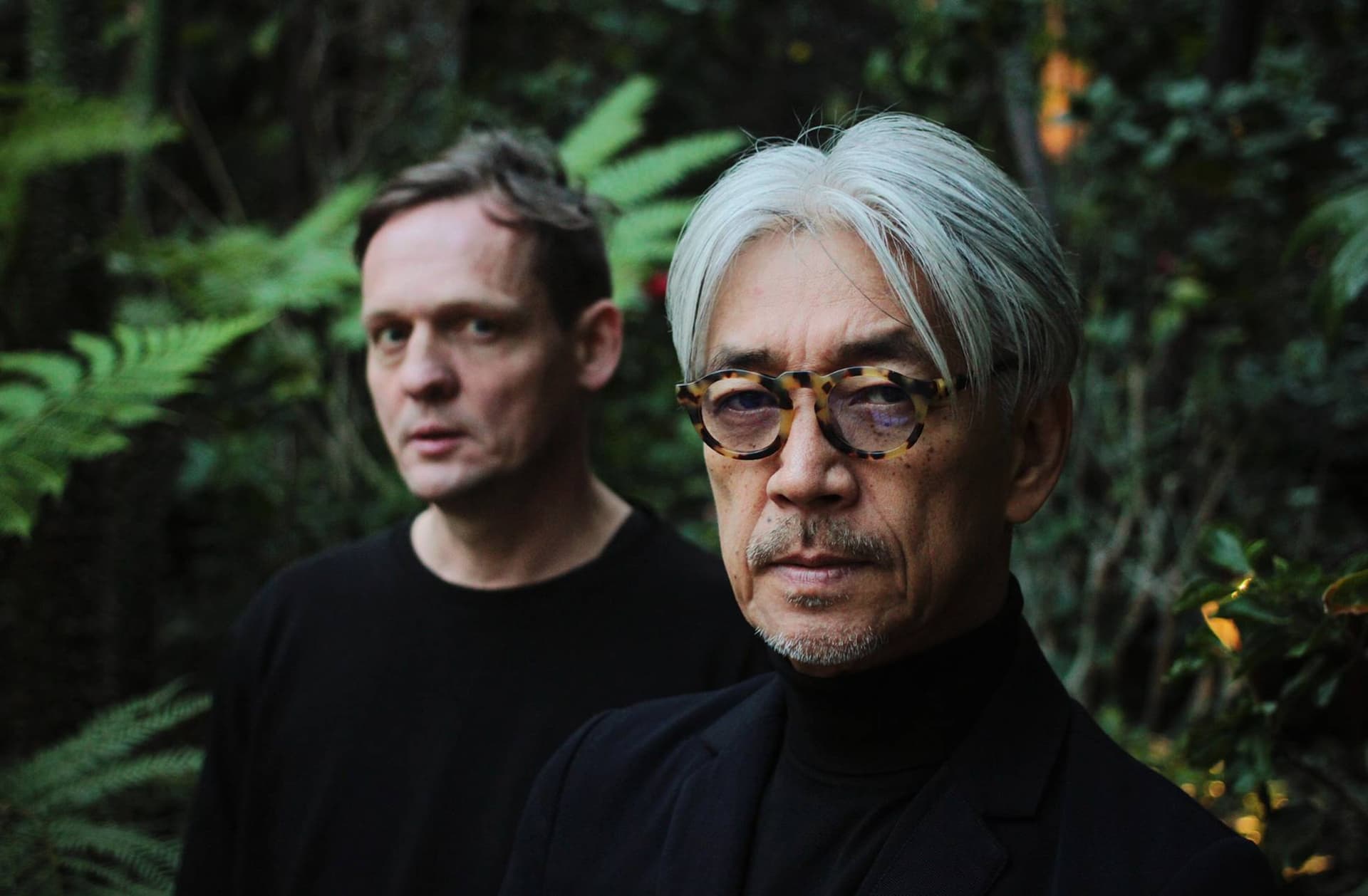
The record label NOTON has officially announced the release of '12 Conversations', a collaborative album between the German producer Carsten Nicolai, known artistically as Alva Noto, and the late Japanese composer Ryuichi Sakamoto. The work, whose market release date is set for September 18, 2026, documents a series of musical exchanges recorded empirically between the months of November and December 2022.
The recording sessions took place during the same creative period that gave rise to '12', the last solo album signed by Sakamoto before his passing. According to data provided by the label, these joint compositions were not initially conceived for commercial release as a standalone work. It was only after the completion of the production process for '12' that both artists agreed to structure the collected material to present it as an independent project within the NOTON catalog.
Two decades of symbiosis between piano and electronic synthesis
The collaboration between Sakamoto and Nicolai represents one of the longest-running and most rigorous alliances within the spectrum of contemporary electroacoustic music and sound design. The artistic dialogue between the two began formally in 2002 with the release of 'Vrioon'. This record inaugurated the acclaimed series of five studio albums known under the acronym V.I.R.U.S., which was completed progressively with the releases 'Insen', 'Revep', 'Utp_'—recorded together with the Ensemble Modern—and 'Summvs'.
Over the course of more than twenty years, the duo expanded their working methodology toward other artistic disciplines and exhibition formats. Among their joint projects, highlights include the composition of the soundtrack for the film 'The Revenant', directed by Alejandro G. Iñárritu; the execution of architectural improvisations such as 'Glass' in 2017, where they used contact microphones on the glass walls of the iconic work by Philip Johnson; and the publication of live sound recordings such as 'Two' in 2019, recorded at the Sydney Opera House. In all these works, the compositional dynamic is based on the confrontation and union of two languages: the acoustic and melodic progressions of Sakamoto's piano versus the electronic formalism, audio signal processing, and abstract synthesis textures characteristic of the German producer.
Technical details, tracklist, and physical format
Edited under reference N-068 of the official NOTON catalog, '12 Conversations' will be marketed globally in digital formats, compact disc, and a special double vinyl edition. The album's structure reflects a fluid and exploratory work process. The tracklist consists of sixteen tracks organized chronologically. The pieces carry sequential titles from 'Conversation 1' to 'Conversation 12', highlighting a structural anomaly in 'Conversation 9', which has been fragmented and distributed into five distinct parts throughout the listening experience.
The sound design of the record captures a creative process in constant transformation, where sounds expand and are altered through a technique of attentive listening between both performers. The production maintains the hypnotic stillness that characterizes their previous works, seeking a technical balance between the cinematic lyricism of the Japanese composer and the meditative restraint of European electronic minimalism.
Heavy breathing can be heard in the recordings. However, this work is not about memory, but about continuation, vitality, curiosity, and the spirit of experimentation that shaped an artistic relationship for decades.
— Carsten Nicolai (Alva Noto)
The sonic testament of a historic alliance in contemporary music
The decision to release '12 Conversations' responds directly to the express wish of Sakamoto, who wanted these musical encounters to exist beyond the realm of the private archive. This posthumous work materializes the culmination of an artistic dialogue that has transcended physical and temporal space. The record release not only documents the closing of the cycle of collaborations between both musicians, but also provides an unprecedented testimony of high technical value to the experimental music landscape of the current decade, consolidating the legacy of one of the most respected associations in the avant-garde phonographic industry.