
Club
1015 Folsom
San Francisco, California, United States
Biography of 1015 Folsom
A Folsom Street address with dance floor memory
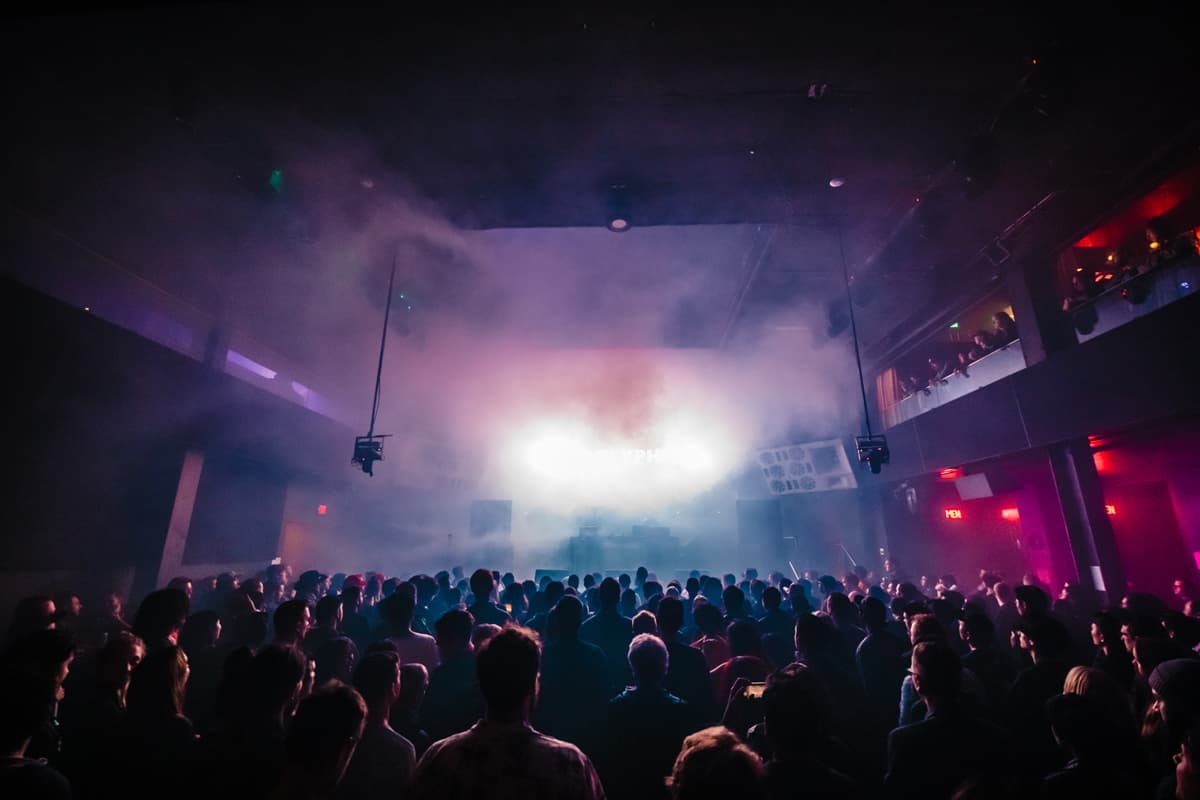
Between the smoke of the main room and the labyrinthine architecture of Folsom Street, 1015 Folsom functions as a living memory of the night in San Francisco. The venue was born in the second half of the eighties as Das Klub and consolidated its public identity as 1015 Folsom starting in 1989, within a large-format building in the SoMa area. Since then, it has maintained a continuity that is rare in American nightlife: not only as a nightclub, but as a crossing point between a club, concert hall, queer space, private venue, and laboratory for successive electronic scenes.
Five rooms, three levels, and a central dance floor
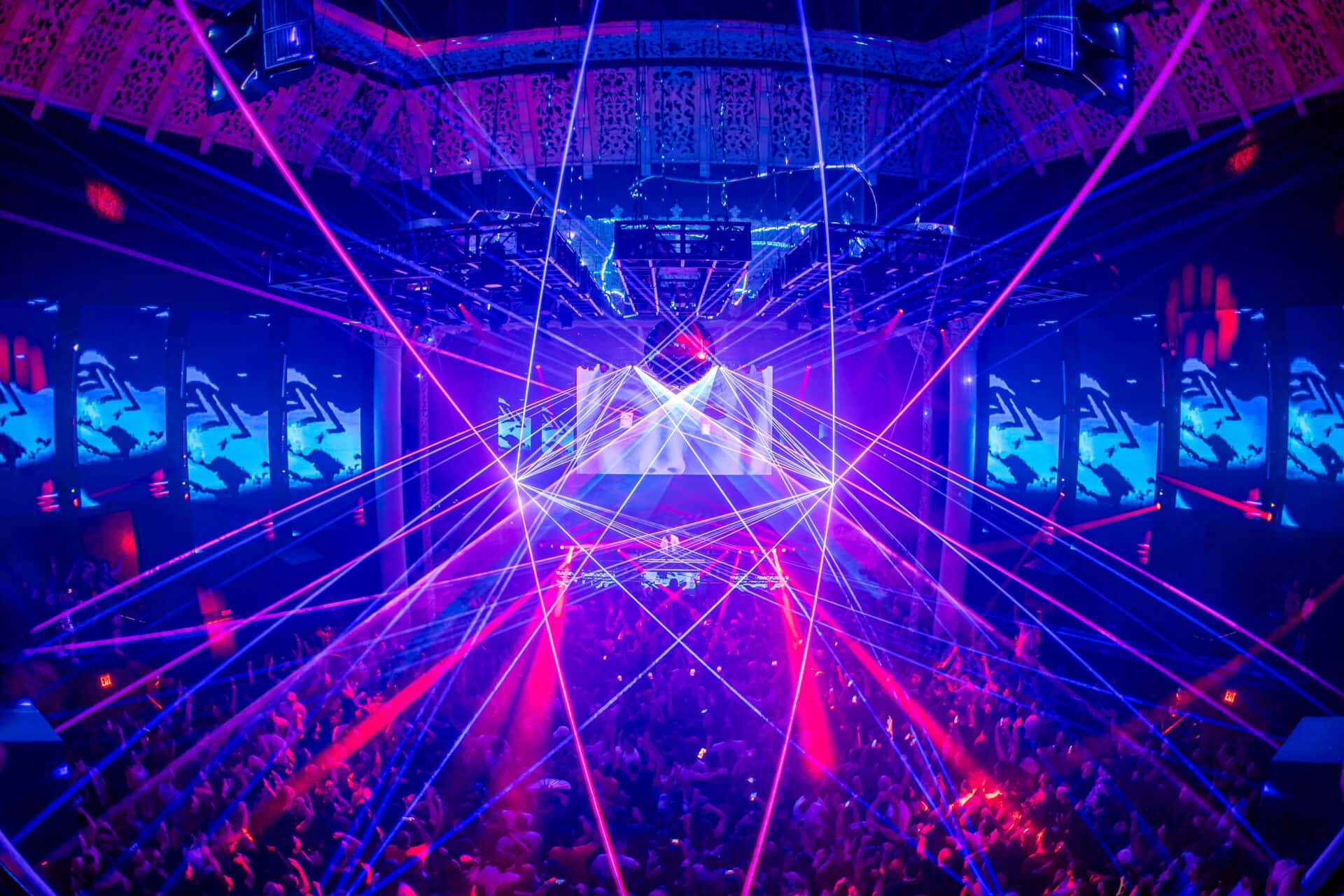
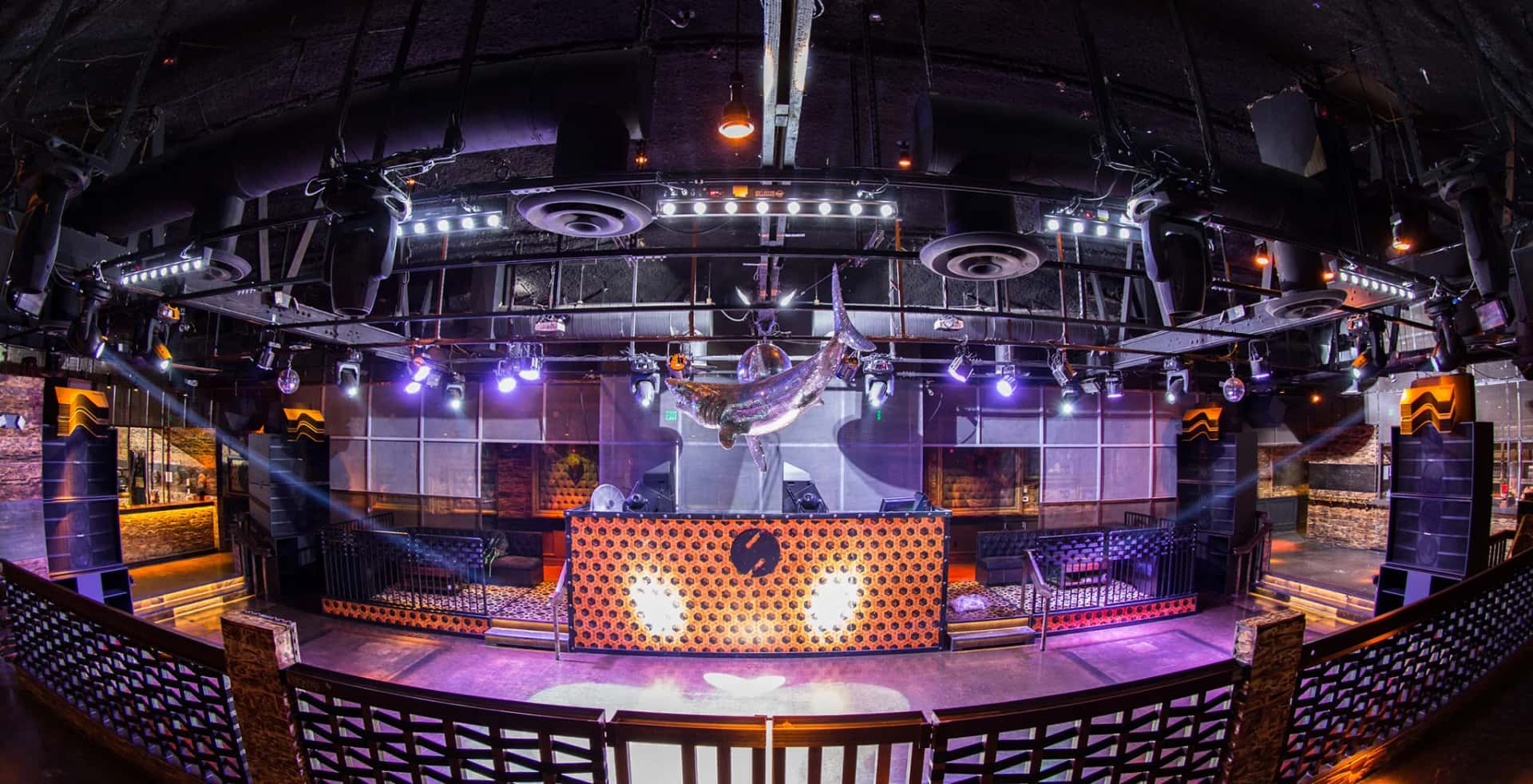
Its physical scale explains much of its personality. The venue occupies around 20,000 square feet and is spread over 5 rooms distributed on 3 levels, with a high-ceilinged Main Room, balconies, side areas, independent bars, and secondary spaces that allow simultaneous programming. The Main Room concentrates the most recognizable image of the club, with an elevated stage, booth focused on the dance floor, large-format visuals, and a sound system based on d&b audiotechnik. The Gold Room provides a mezzanine reading with a balcony over the main room, while the Lin Lounge and the Klub Room reinforce the multi-room character of the building, closer to a clubbing complex than a conventional single-room venue.
From the Californian rave to the international circuit
During the nineties, 1015 Folsom was an active piece in the expansion of the nineties rave on the west coast. In a city where warehouse culture, LGBTQ+ community, and electronic music imported from Europe coexisted with new local promoters, the club offered a stable infrastructure for sounds that were not yet central in many rooms in the United States. Nights like Spundae and Release helped fix its reputation within the circuit of house, techno, trance, and large-format club music. Figures associated with the global growth of electronic music have passed through its booth, including Tiësto, Paul van Dyk, Carl Cox, or Maceo Plex, in addition to live proposals, pop culture, comedy, and hybrid events that have expanded its function beyond the strict nightclub.
An active institution of the SoMa night
The current programming maintains calendar-based operation, with parties, concerts, electronic sessions, corporate rentals, and special events. That flexibility has not diluted its identity: 1015 Folsom remains recognizable for its multi-room venue structure, its relationship with the club culture of San Francisco, and a night experience that combines volume, internal circulation, lights, bars, and a diverse audience. In a city subject to cycles of urban transformation and real estate pressure, its permanence makes the venue a physical archive of the dance floor: a place where the history of local electronic music is not remembered only in old posters, but in the concrete way of moving between rooms, balconies, basses, smoke, and booth.
How to get to 1015 Folsom
1015 Folsom Street, San Francisco, CA 94103, Estados Unidos
Open in Google MapsFolsom St & 6th St
Bus bus line(s): 12 Folsom-Pacific · 12 Folsom-Pacific · 1 min walk
7th St & Folsom St
Bus bus line(s): 27 Bryant · 27 Bryant · 2 min walk
Mission St & 6th St
Bus bus line(s): 14 Mission · 14 Mission · 6 min walk
Mission St & 8th St
Bus bus line(s): 14 Mission, 14R Mission Rapid · 14 Mission, 14R Mission Rapid · 7 min walk
Civic Center/UN Plaza
BART line(s): Blue, Green, Red, Yellow · Blue, Green, Red, Yellow · 11 min walk