
Venue
Museo Patio Herreriano
Valladolid, Spain
Biography of Museo Patio Herreriano
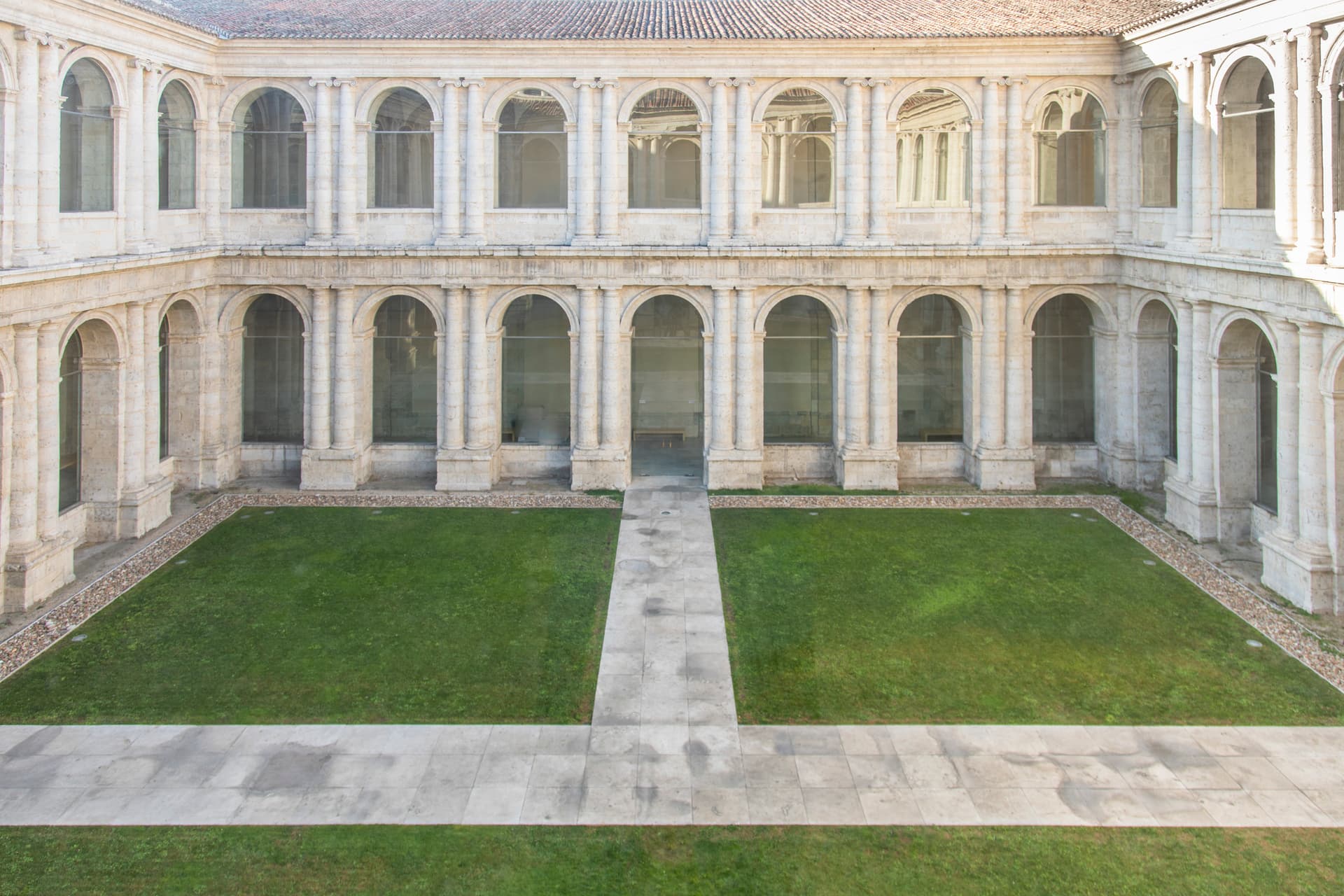
The stone of the processional cloister of San Benito el Real, for centuries attributed to Juan de Herrera for its echo of the Escorial, is actually by Juan de Ribero Rada: a classicist courtyard begun around 1596. In that space—today the Patio de los Reyes—and in the adjacent Patio de los Novicios, Valladolid has begun to treat electronic music as a piece of contemporary art, in daylight and until the early hours.
Electronics enter the monastery
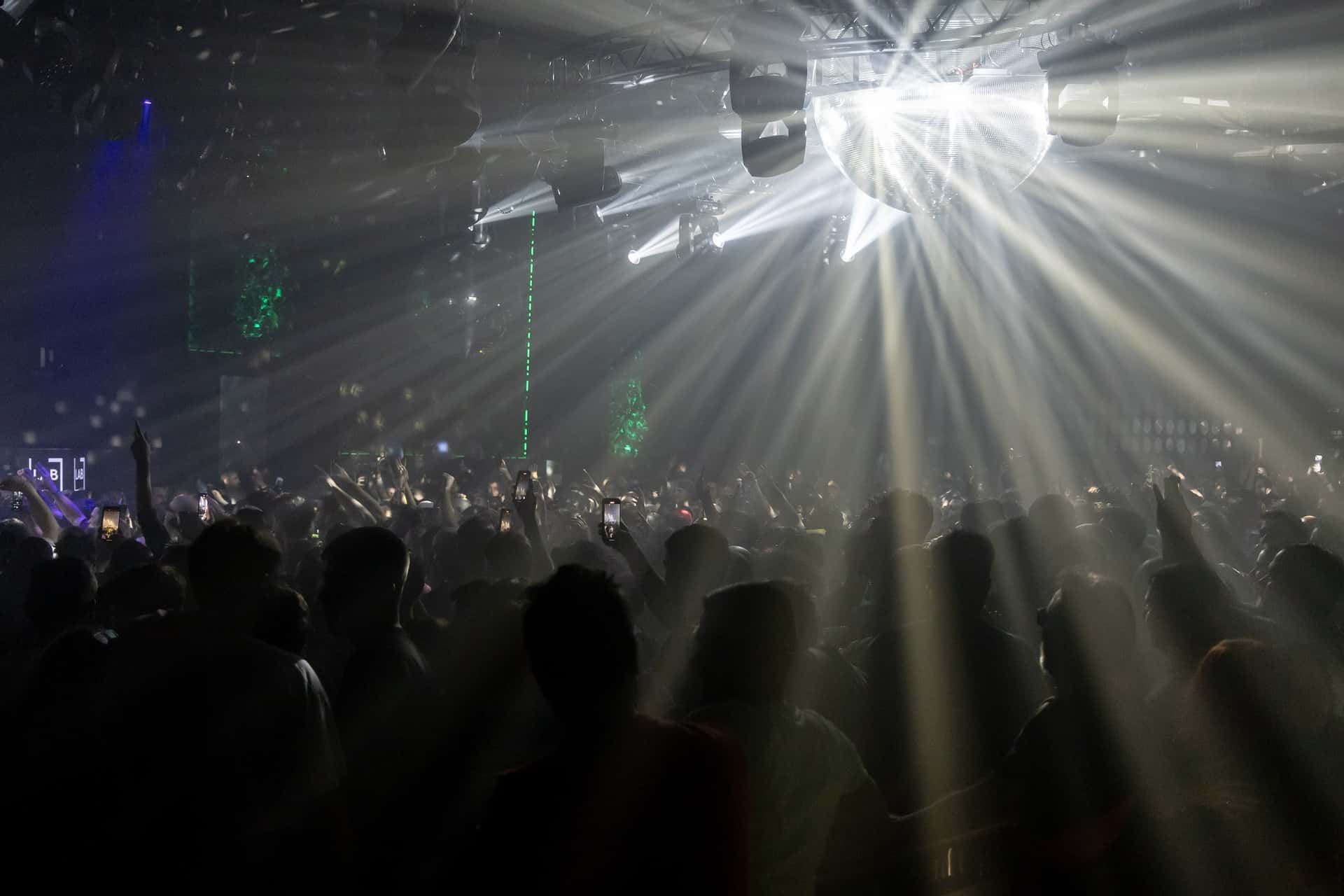
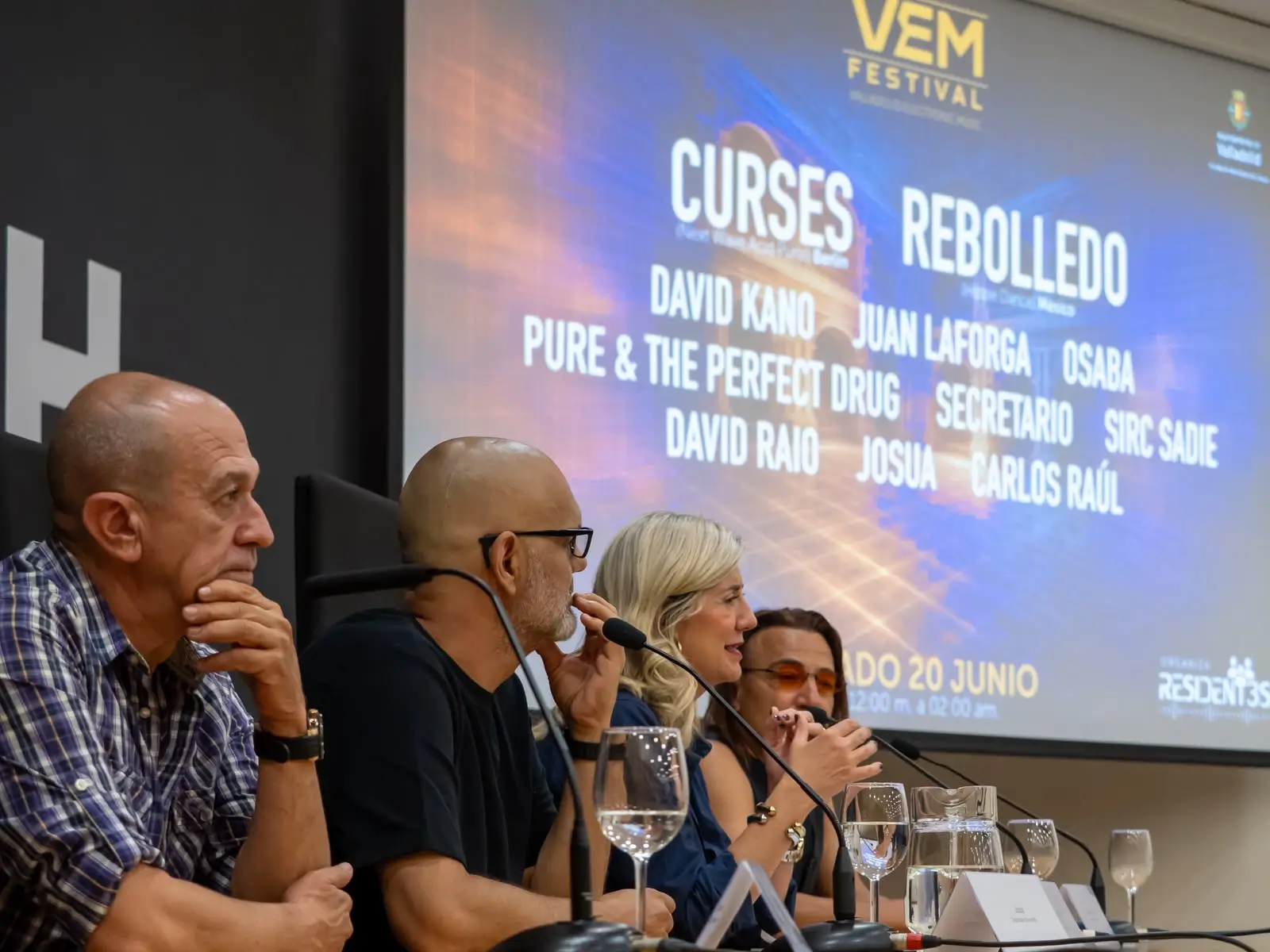
Arde, promoted by the Valladolid DJ Óscar de Rivera, was born in 2022 in the museum itself to celebrate three decades of his career and has returned with the Ferias de San Lorenzo. In 2025 the event was held inside the venue, with Joeski as the international headliner. In June 2026, the Valladolid Electronic Music (VEM) Festival occupied the Novicios and Reyes courtyards for fourteen hours straight—from 12:00 to 02:00—with Curses, Rebolledo (label Kompakt), David Kano, Osaba, Pure & The Perfect Drug, Secretario and Sirc Sadie, plus hosts Juan Laforga, Josua and Carlos Raúl. The municipal commitment was explicit: to connect heritage and club culture, and to show electronics far from the usual black of the closed dance floor.
2,500 meters to listen and look
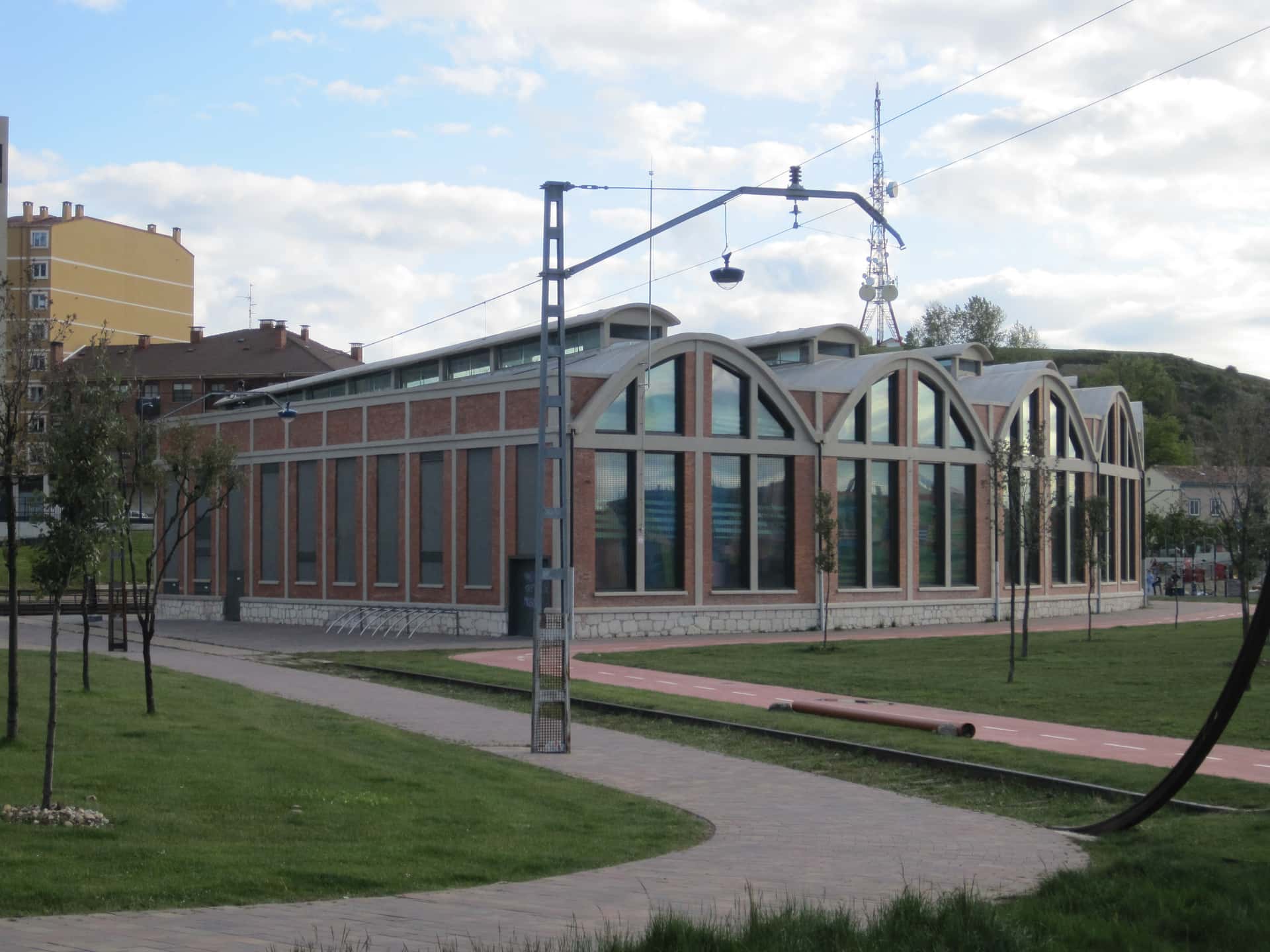
The Museo Patio Herreriano opened to the public on June 4, 2002, following the 2000 agreement between the Valladolid City Council and the Asociación Colección Arte Contemporáneo. The renovation by Juan Carlos Arnuncio, Clara Aizpún and Javier Blanco was nominated for the Mies van der Rohe Award in 2003. The museum declares some 2,500 m² of usable space: two floors of cloister, the Patio de los Reyes (840 m² and up to 1,000 people standing), the Patio de Novicios (750 standing), a 1,500 m² landscaped plaza, an auditorium and a boardroom. Cloakroom, ramp, elevators and wheelchairs are part of the daily service of a building designed to be navigated.
Collection, public management and venue use
The collection, started in 1987 and ceded to the project, covers Spanish art since 1918 and includes the Ángel Ferrant Fund and the archive of the Galería Buades, donated in 2005. Since 2018 it has been managed by the Fundación Municipal de Cultura. It is not a nightclub or a party brand: it is a museum of contemporary Spanish art in a cloister of the Monastery of San Benito, with free admission, closed on Mondays, which rents out its courtyards for concerts and has turned the Herrerian stone into one of the most unique stages for local clubbing.