
Venue
Sala Andén 56
Burgos, Spain
Biography of Sala Andén 56
From locomotive depot to concert hall
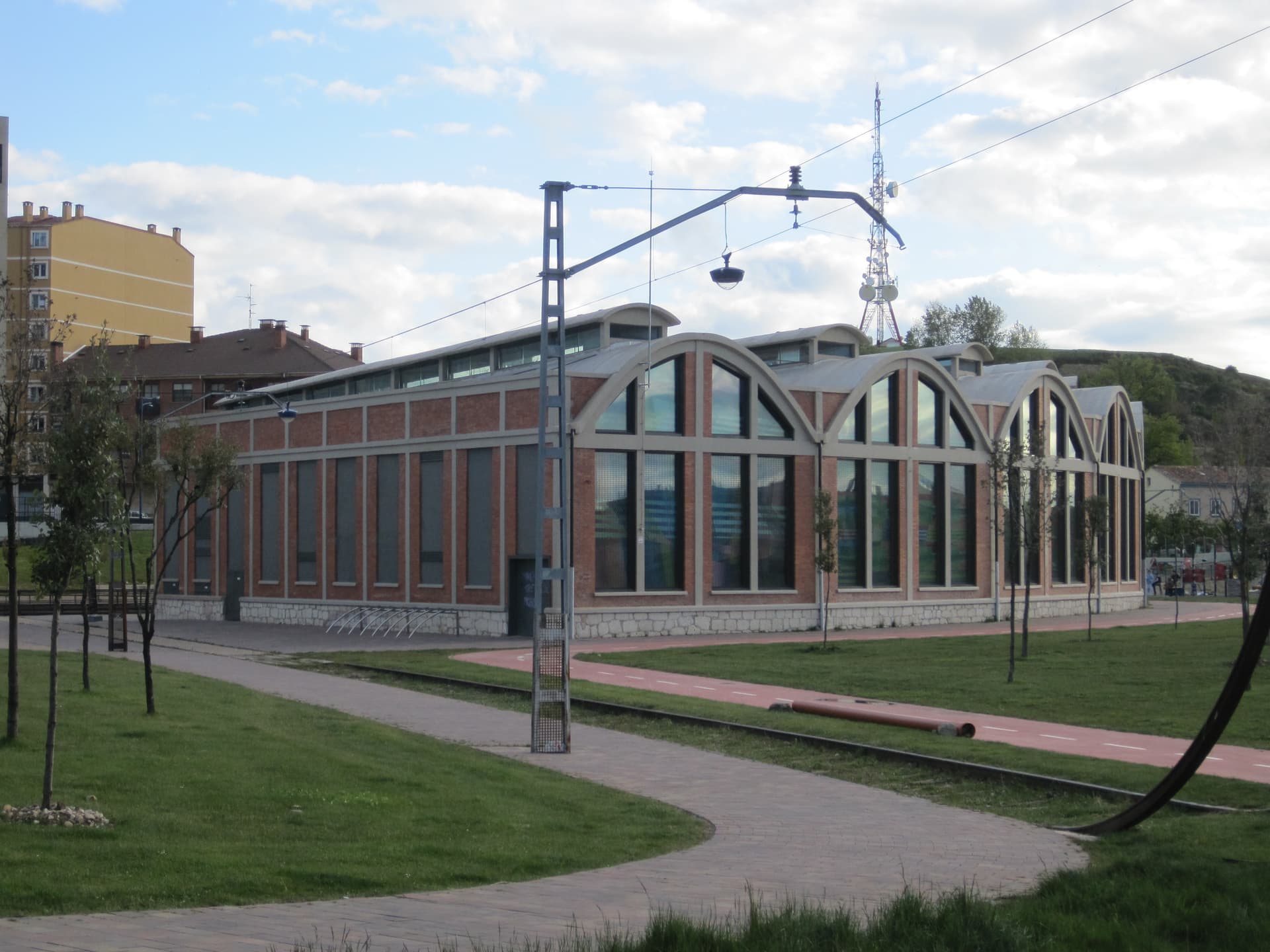
The old Renfe locomotive sheds did not disappear from the Burgos map: they were reconverted. The building that in the fifties concentrated the locomotive depot—known for a decade as El Hangar—was rehabilitated and opened in September 2009 as a municipal center for musical creation. The first major concert was signed by Vetusta Morla. Architect Félix Escribano Martínez, from the AU Arquitectos studio, preserved the industrial scale: distribution roundabout, rail remains, catenary posts, and a railway memory park around the nave, attached to the Boulevard.
The 56 as a hall brand
Since August 2019, the venue has operated as Sala Andén 56, a name taken from the number on Calle San Pedro y San Felices. The change coincided with a management change—La Máquina del Ruido entered—after the previous name remained linked to the previous management company. The Burgos City Council remains the owner. It is a facility of the Youth Department, with a party hall license and a maximum capacity of 1,185 people in concert, 198 of them in the mezzanine. The stage measures 16 meters wide by 4.80 deep and can be used whole or half.
Rock, hip hop, and electronic nights
The concert hall is not locked into a single style. Andrés Calamaro, SFDK, Onyx, Rival Sons, U.D.O., Battle Beast, Carolina Durante, Belén Aguilera, La Pegatina, or Toundra have passed through it. There is metal, pop, jazz, and hip hop, and also electronic music: cycles like Electrosonic have brought international DJs and the 2026/27 season opens with BLVCKPUDDING. It does not function as a fixed-session nightclub; the door opens according to the lineup. Clubbing coexists with live music in a large-format nave for a medium-sized city, with a cloakroom, cafeteria, and a very direct relationship with the neighborhood.
Rehearsal rooms, studio, and wagon terrace
What distinguishes it from a conventional hall is the daily ecosystem: 18 rehearsal rooms, recording studio, winter and summer cafeteria, and a summer terrace with an outdoor stage in a rehabilitated wagon. In 2026, it remains active, with a schedule of concerts, local festivals, and outdoor cycles. The public arrives on foot from the bus stops on San Pedro y San Felices, in the south of the city.