Club
Sala Siroco
Madrid, Spain
Biography of Sala Siroco
A basement in San Dimas that learned to mutate
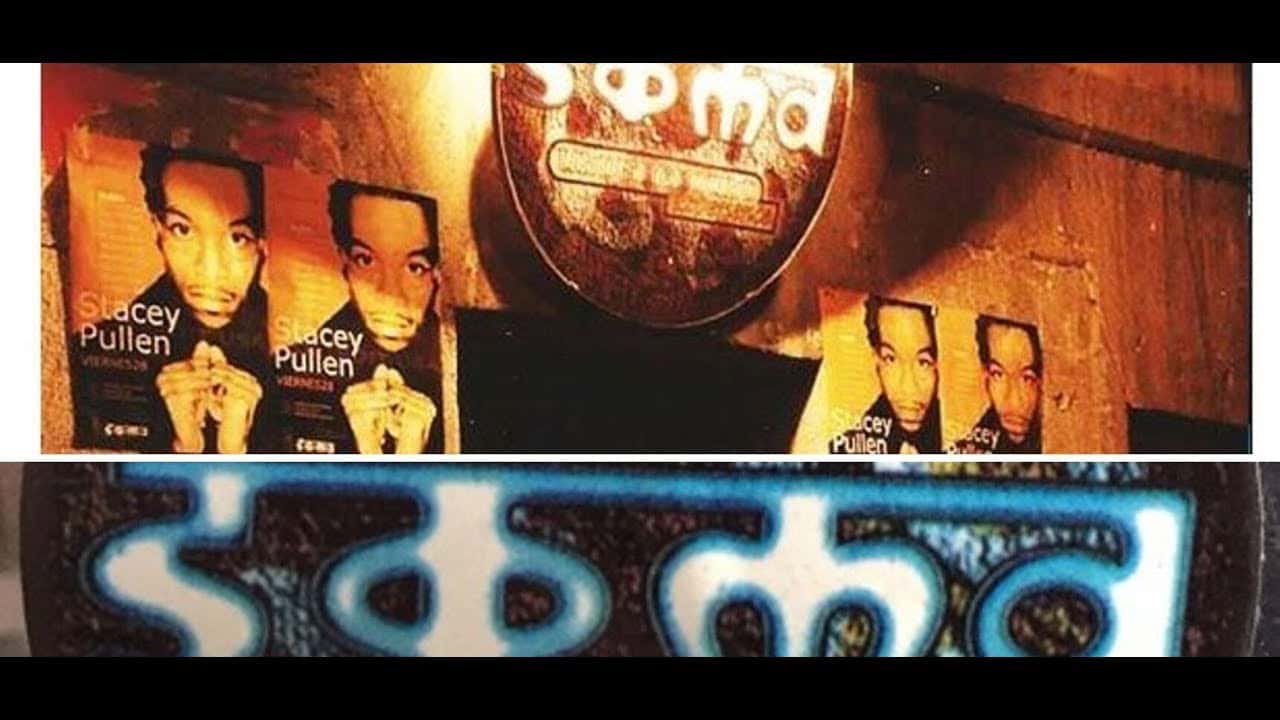
Under Calle San Dimas, Siroco preserves the reduced scale of clubs where proximity weighs as much as the lineup. Opened in 1989, in the Madrid of the post-Movida, the venue was born as a project by David Novaes and Miguel Calvete and ended up installed in the city's nightlife memory as a space for live music, dance, and discovery. Its first identity was marked by emerging nineties styles such as garage, alternative rock, and black music, with a clear role as a nursery for bands and audiences that did not always find a place in larger circuits.
Two floors between live and digital art
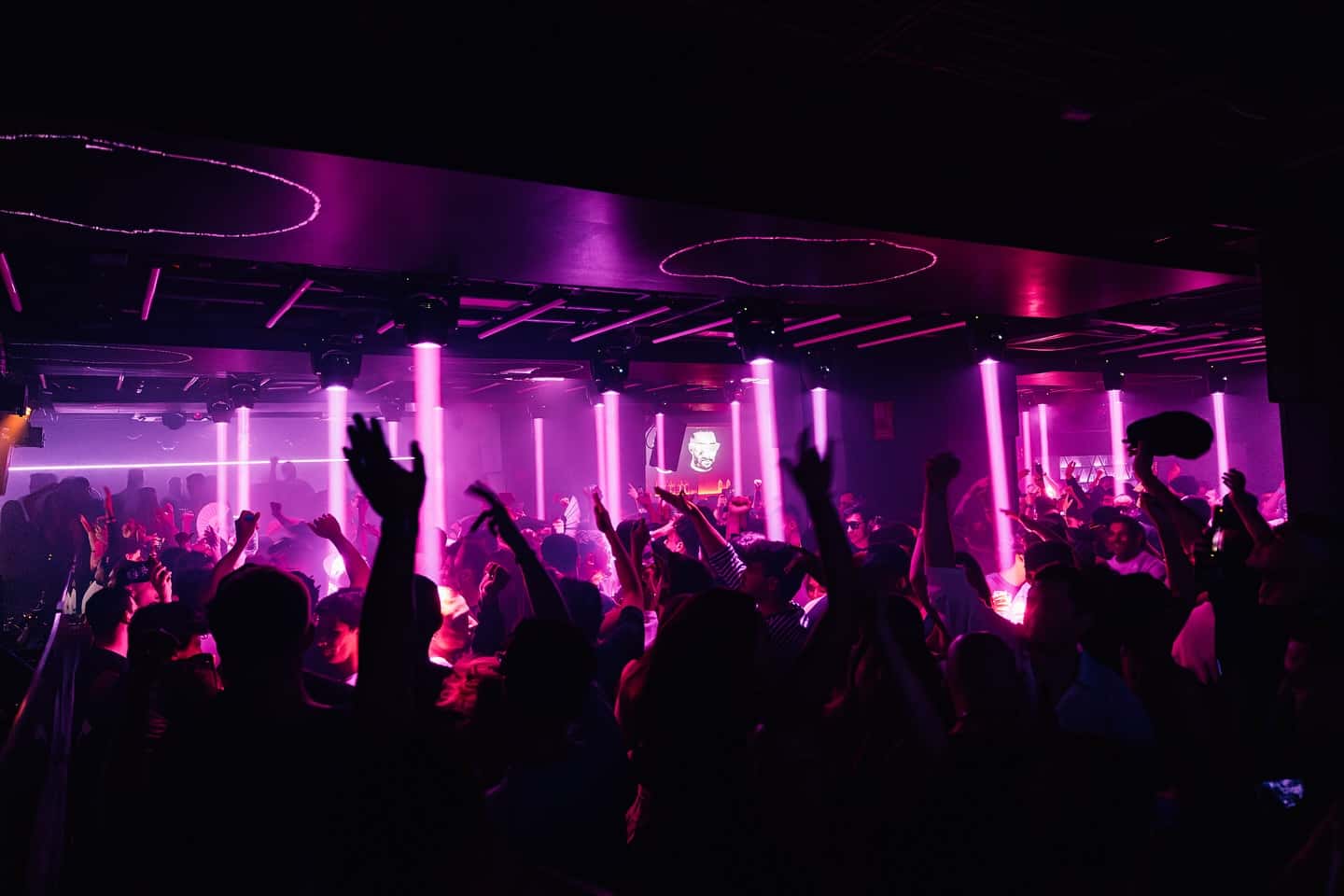
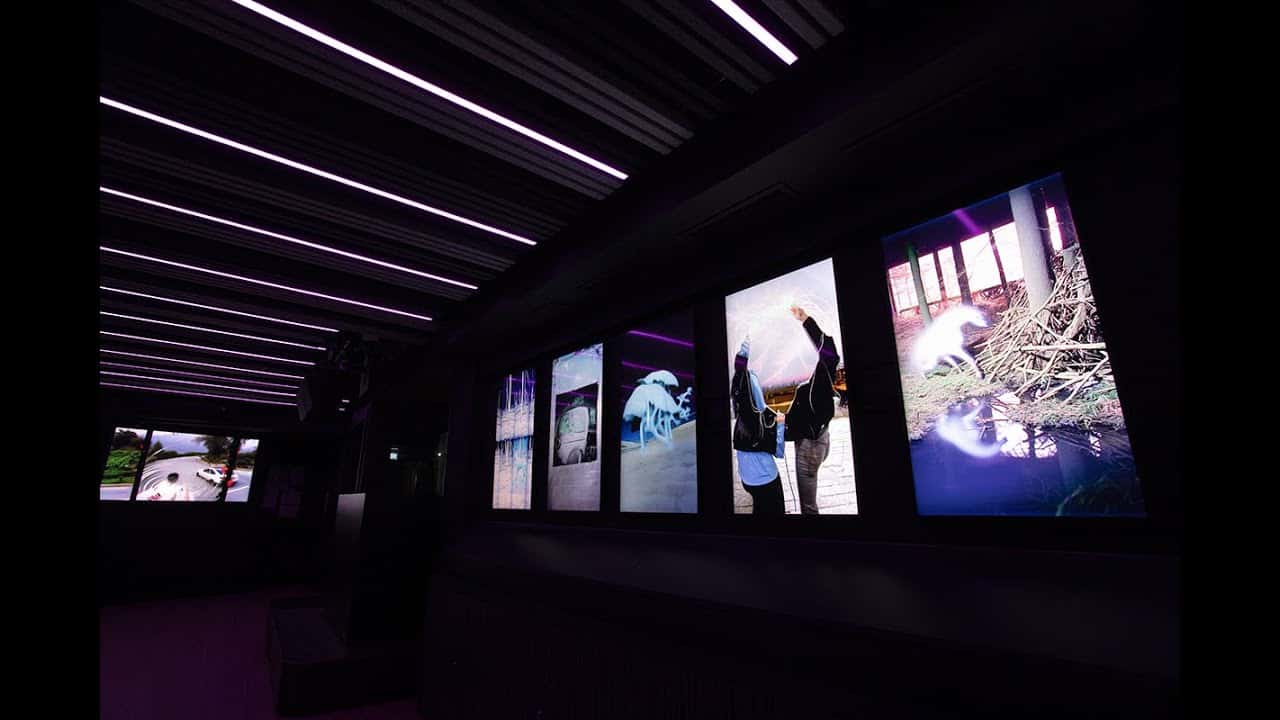
The architecture of the venue is organized on two levels. On the ground floor is Siroco Club, the area for concerts and sessions of greater physical pressure, with an integrated stage, booth, and a dance floor designed for small-capacity formats. On the street level, Siroco ARTLAB operates, a contemporary evolution of the upper space toward a multidisciplinary format: quick exhibitions, presentations, showcases, intimate live acts, radio, electronic music, and audiovisual experimentation. Its current technical equipment includes 12 digital screens, smart LED ceiling, and d&b audiotechnik audio system, while the Club room maintains an Outline P.A. System with a technical configuration detailed for live and clubbing.
Nursery, booth, and dance floor culture
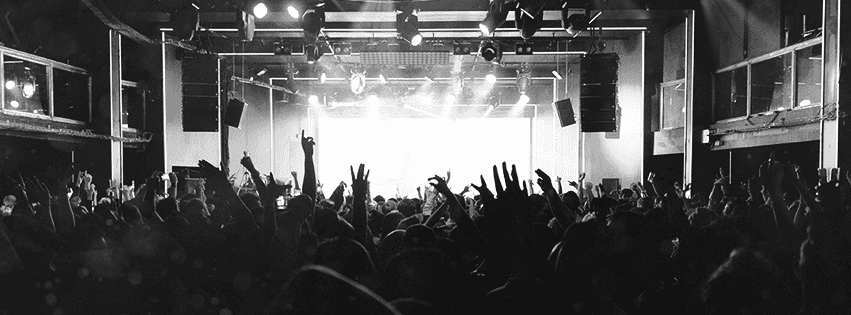
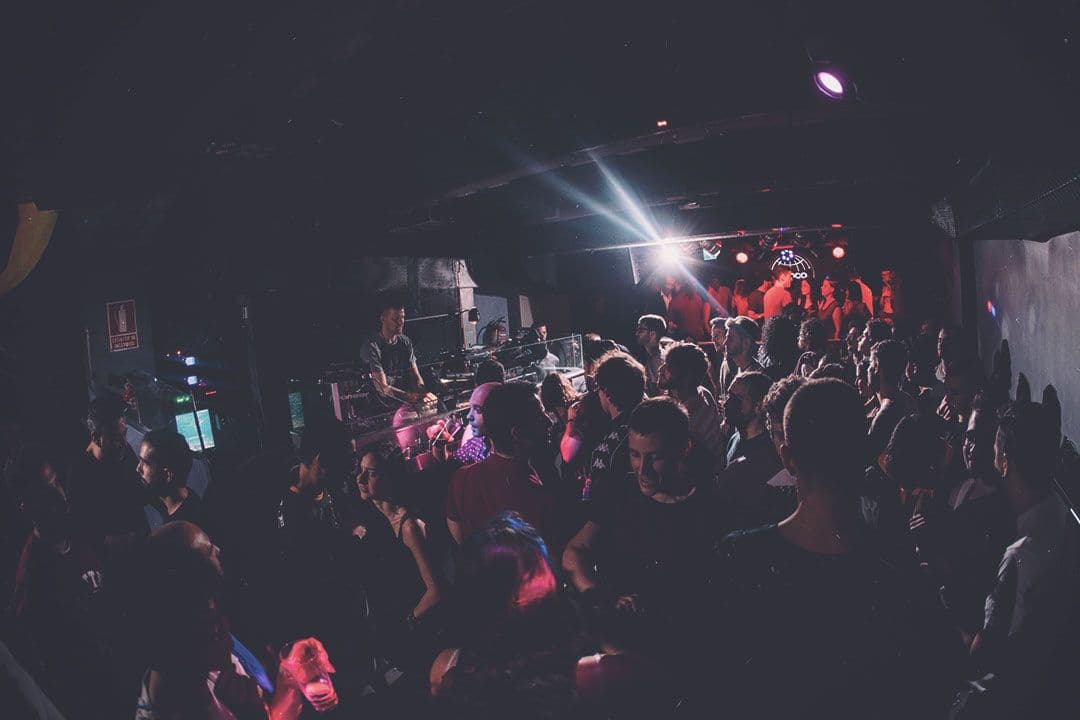
Siroco's programming has crossed generations. Names linked to Spanish pop and rock such as Los Piratas, M-Clan, Los Rodríguez, or Pereza passed through its stage, but its role is not limited to live bands. The venue has sustained a life of clubbing very associated with the Madrid independent circuit, with nights of techno, house, electro, funk, reggae, indie, and hybrid proposals. That mix between concert, DJ set, neighborhood culture, and small promoters explains its resistance: Siroco does not operate as a macro-nightclub, but as a proximity venue where sound, the booth, and the community weigh more than monumental spectacle.
A small refuge in the Madrid night
Size is part of its character. With a capacity of around 200 people in the main space, the experience relies on intimacy, visual contact with the stage, and a dance floor that can change language in the same week. The venue surpassed the barrier of 20,000 concerts in its first three decades and was incorporated by the city of Madrid among the venues considered Cultural Heritage of the City. Active and reformulated, Siroco continues to function as an important piece of the Madrid scene: a neighborhood club with a long memory, renewed technology, and an agenda where bands, DJs, digital art, and dance floor culture coexist.
How to get to Sala Siroco
Calle de San Dimas, 3, 28015 Madrid, España
Open in Google MapsNoviciado
Metro · L2 · 3 min walk
San Bernardo
Metro · L2, L4 · 5 min walk
Noviciado
Bus · 3, 147 · 3 min walk
Gran Vía-Plaza de España
Bus · N18, N19, N20, N21 · 9 min walk