


Biography of Stephan Bodzin
Machines with a human pulse
In the work of Stephan Bodzin, the analog synthesizer is not a technical ornament, but the narrative center. His live sets and productions are recognized by long melodies, progressive tension, physical bass, and an emotional architecture that has made his name a central reference for European melodic techno. Born in Bremen and raised in a musical environment, he arrived at electronic music after working for years in composition and sound for European theaters, a stage that explains the scenic and almost cinematic character of many of his pieces.
Herzblut as his own laboratory
Before consolidating his solo career, Bodzin developed an extensive studio trajectory alongside Oliver Huntemann and Marc Romboy, with projects and aliases linked to club electronics such as H-Man and Rekorder. That phase fueled a precise, functional, and at the same time very melodic sound, close to what DJ Hell came to call the Bremen sound. He also built a reputation as a remixer for artists like Depeche Mode, Booka Shade, and The Knife, expanding his profile beyond the purely techno circuit.
The decisive turn came with Herzblut Recordings, a label he launched in 2006 that functioned as a platform for his creative universe. The album Liebe Ist..., released in 2007, set the keys to his identity: recognizable synthesizer lines, contained drama, and a way of building the track from emotion rather than immediate impact. From there came works like Powers of Ten in 2015 and Boavista in 2021, the latter associated with Afterlife, in addition to pieces and remixes that have maintained his presence in catalogs such as Systematic Recordings, Life and Death, and Herzblut itself.
The live act as an author's signature
His position within the scene is sustained as much by production as by the live format. Bodzin does not limit himself to chaining tracks: he works with a stage setup based on machines, sequences, and melodic layers that evolve in real time. Sessions like the one for Boiler Room Berlin or his performance for Cercle at Piz Gloria, in Switzerland, synthesize that combination of technical precision, visual epic, and tension control. In international clubs and festivals, his language has connected with techno, progressive house, and melodic electronic audiences without losing a recognizable identity.
In recent years he has remained active with reissues, officially released live sets, and high-visibility collaborations. Boavista Remixes extended the journey of his third album, while Healing, alongside Massano and Jem Cooke, and his remix of I Feel Speed by Dubfire showed a natural continuity between his analog legacy and the contemporary melodic scene. His current place is that of a producer and live artist with his own voice: disciplined, emotional, and indifferent to fast-moving trends.
Entities related to Stephan Bodzin
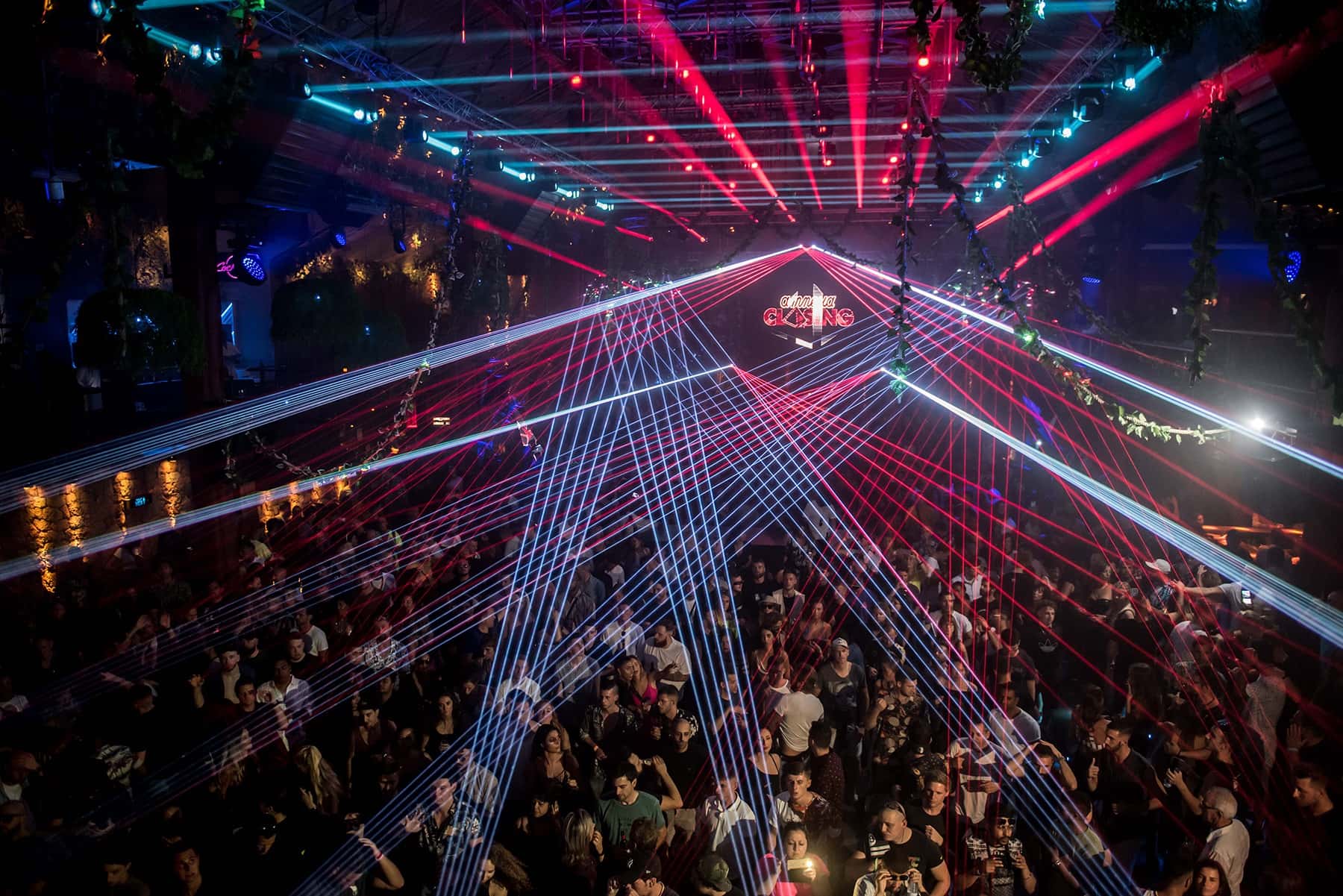
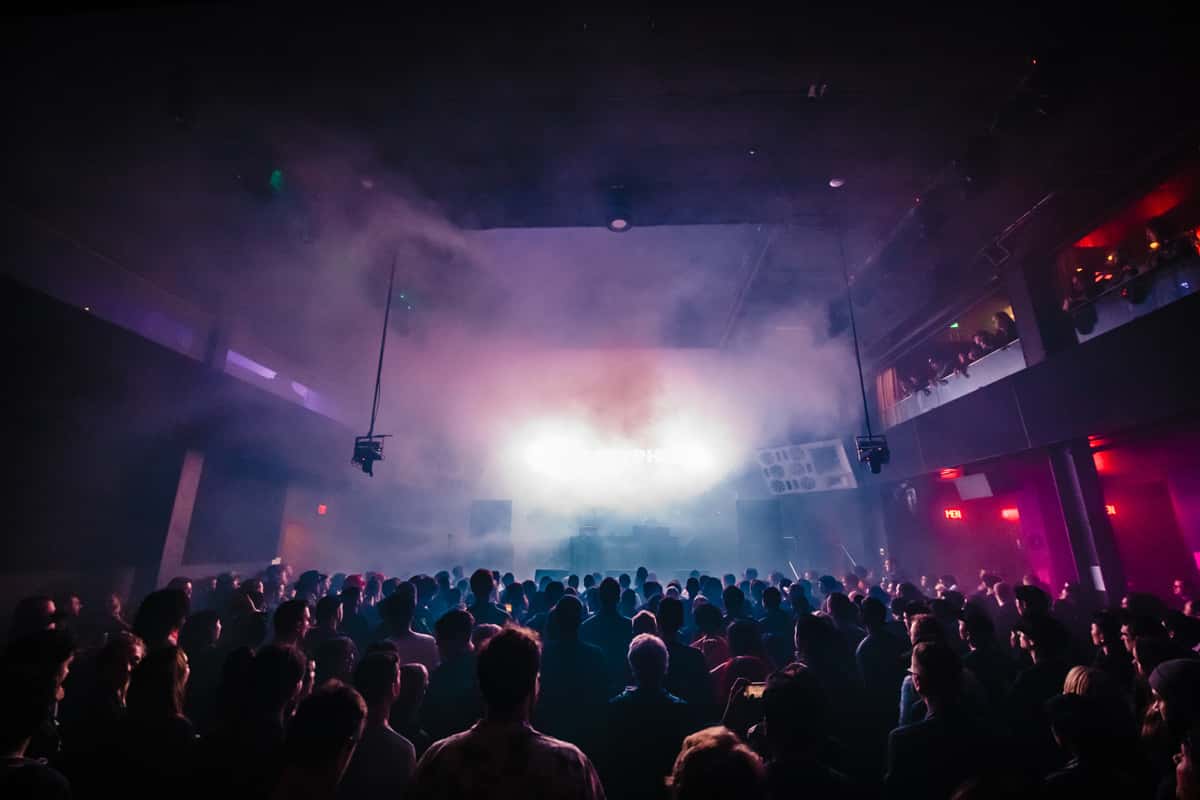
Clubs where Stephan Bodzin plays

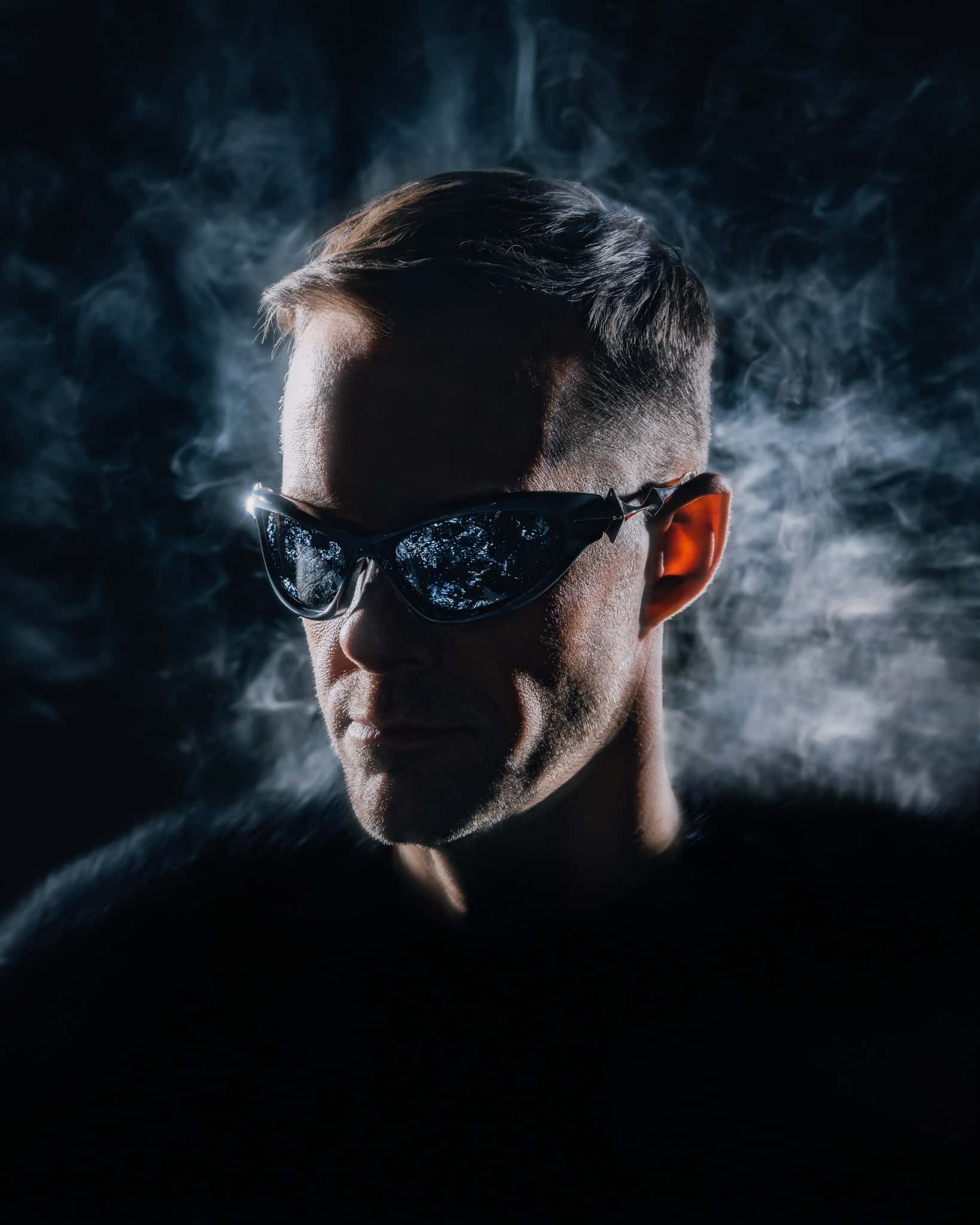
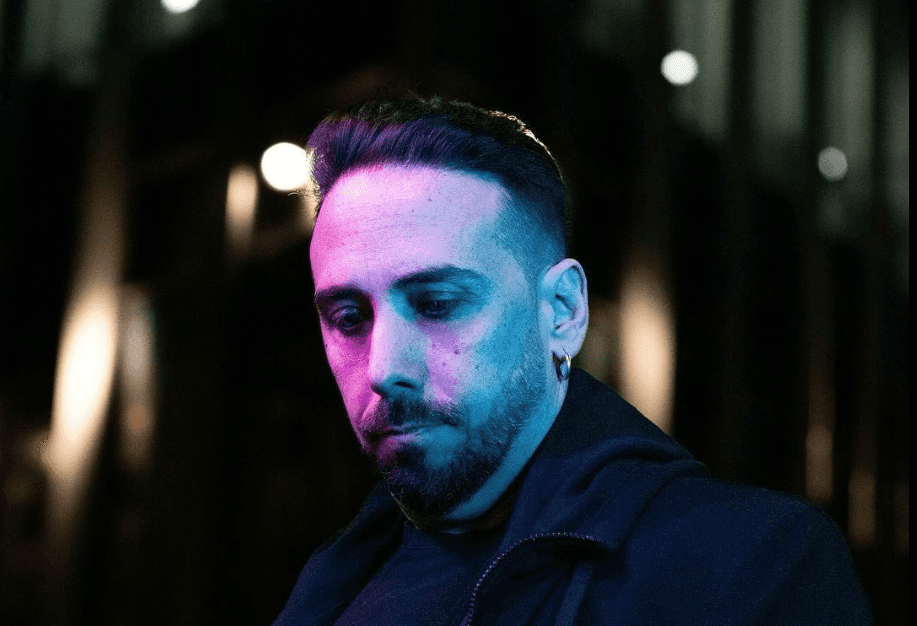
DJs related to Stephan Bodzin


Stephan Bodzin in the Magazine
Magazine· 12 Sept 2026
DJ Mag Latinoamérica: Top 50 house and techno artists
Magazine· 30 Jul 2026
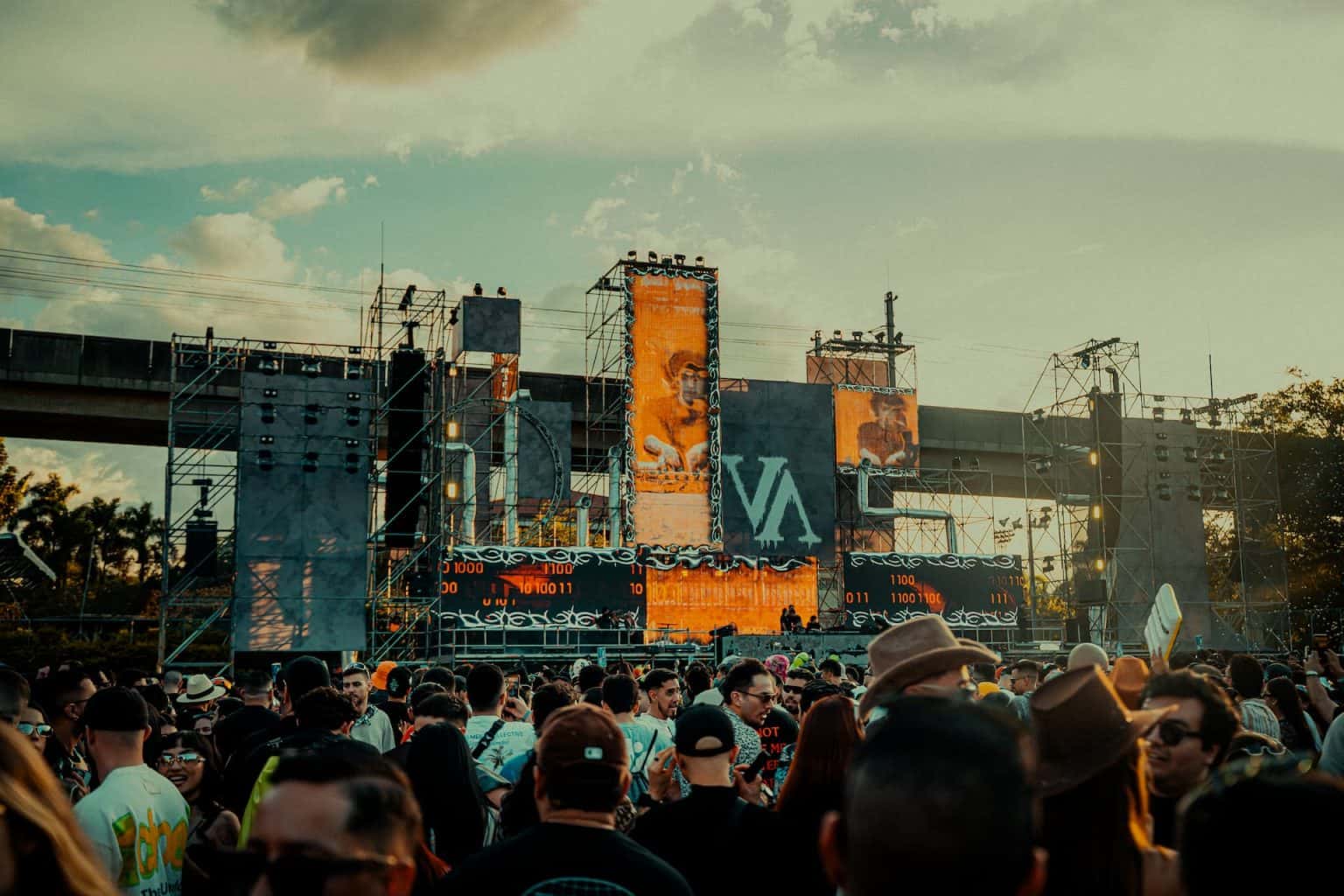
Ritvales 2026: Carl Cox, Paul Van Dyk and Kobosil in command
Magazine· 30 Jun 2026
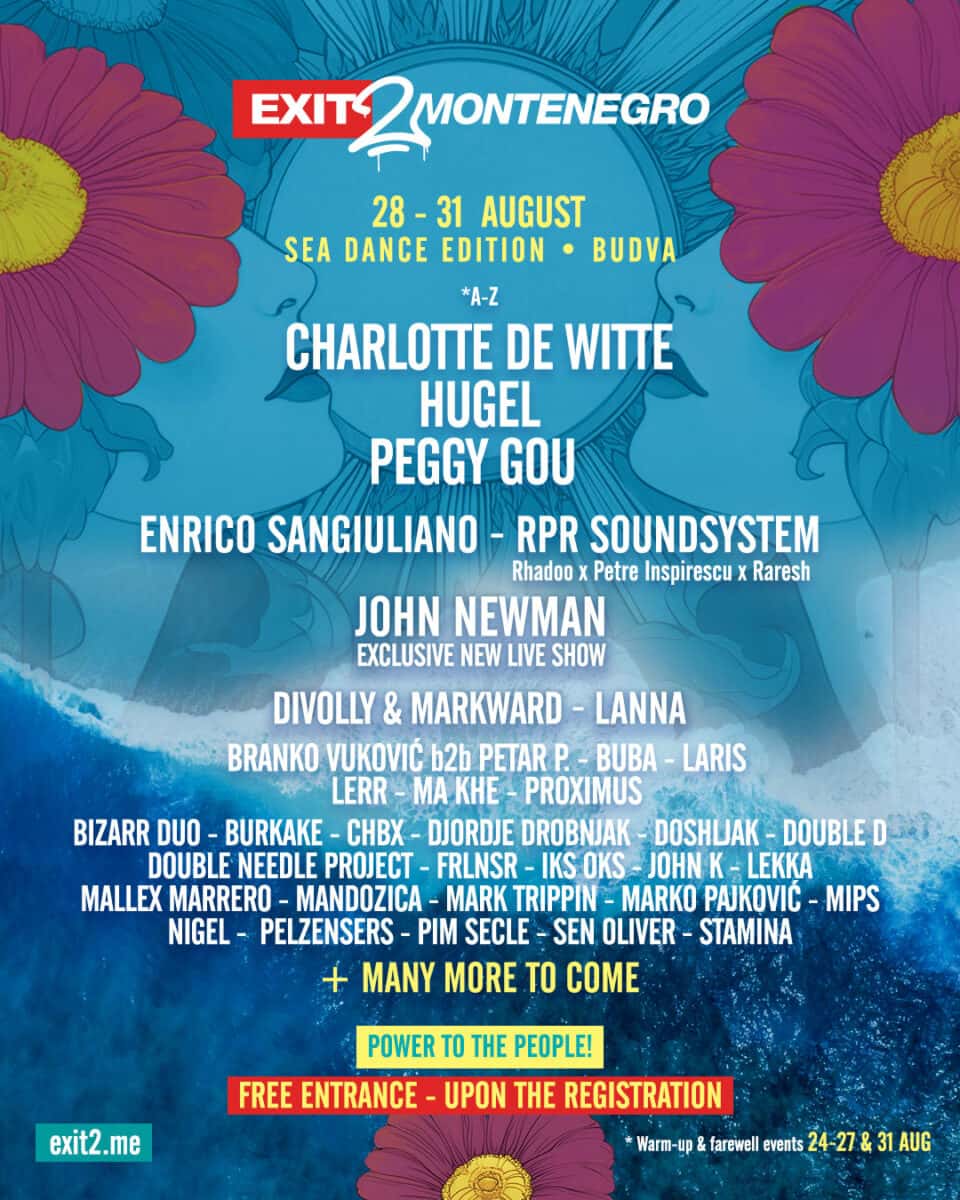
EXIT to Montenegro: Two free festivals on the Adriatic
See moreSee less
Magazine· 12 Sept 2026
DJ Mag Latinoamérica: Top 50 house and techno artists
Magazine· 30 Jul 2026
Ritvales 2026: Carl Cox, Paul Van Dyk and Kobosil in command
Magazine· 30 Jun 2026
EXIT to Montenegro: Two free festivals on the Adriatic

Magazine· 17 Jun 2026
Stephan Bodzin, ANNA and Luna Semara lead ZERO in Brooklyn

Magazine· 10 Jun 2026
RESISTANCE Ibiza 2026: The Techno Lineup That Breaks Amnesia

TV· 12 Sept 2025
10 Masters of the Electronic Music Live Set You Must See Live