Venue
Grand Hall Zollverein
Essen, North Rhine-Westphalia, Germany
Biography of Grand Hall Zollverein
The pulse of the vacuum pumps
Eight compressors and six vacuum pumps set the rhythm of this hall for decades: coke oven gas was sucked in here, compressed, and returned as energy for the entire plant. Fritz Schupp built the Sauger- und Kompressorenhalle between 1957 and 1961 at the Zollverein coking plant, which was one of the largest in Europe at the time. Foreman Peter Iwinski started it up in 1961 and shut it down in 1993. Afterwards, grass and silence took over the steel for more than twenty years.
Twelve million to keep the rust
The conversion began in 2014, when the building left mining supervision behind. About 1,800 tons of machinery and metal were removed; six of the eight compressors were taken out of the hall to create usable space. The historic tiled floor was lifted, underfloor heating was installed, and 78,000 pieces were manually replaced, with inlays marking where the machines once stood. The original lamps were restored and returned to their places. The owners invested about 12 million euros in a transformation that respects the monument. The Grand Hall Zollverein opened in early 2017: the first major event was the EU Stakeholder Forum, and the official inauguration followed months later, once it was in regular operation.
A club ground floor and a 90-meter hall
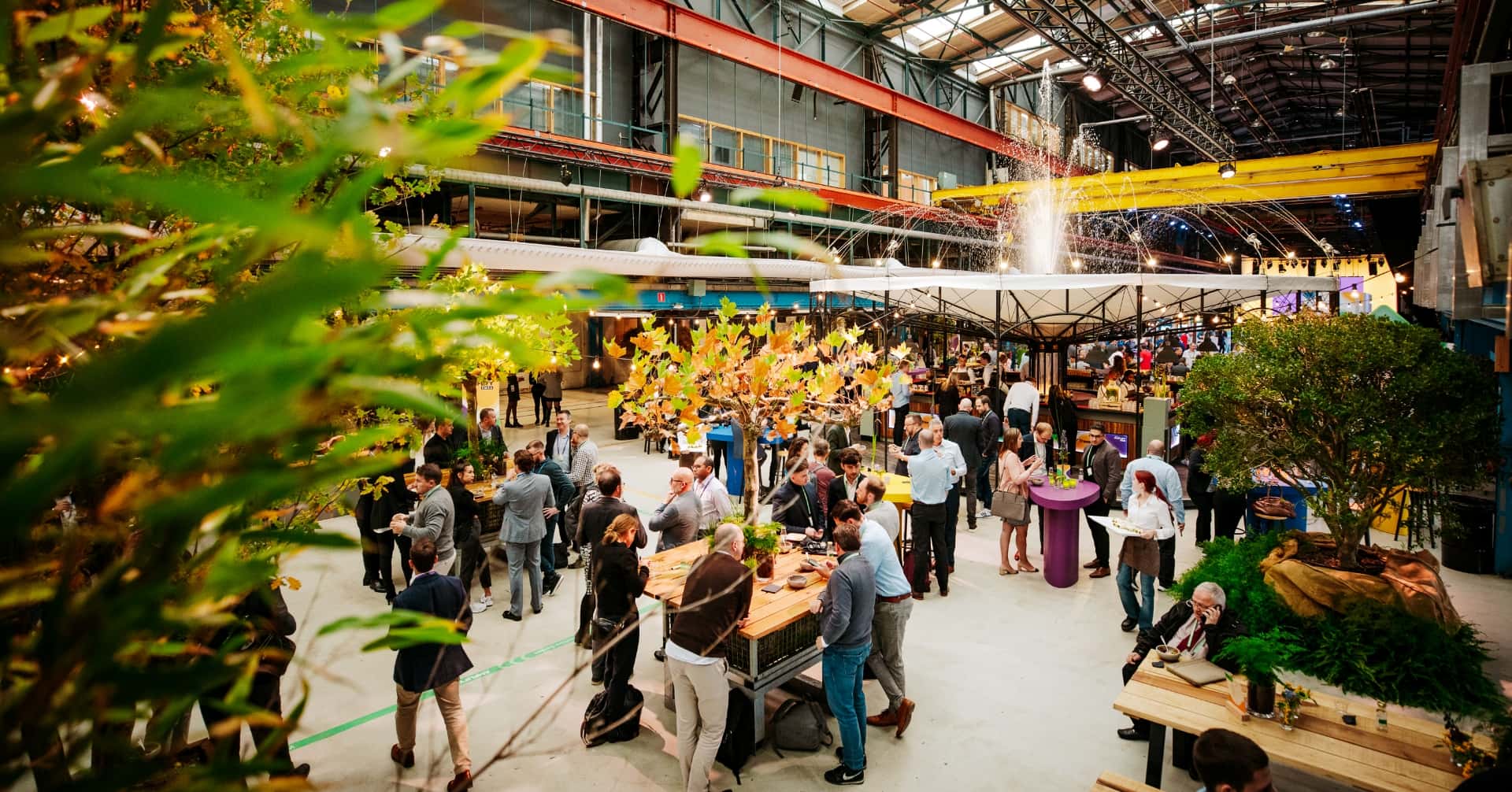
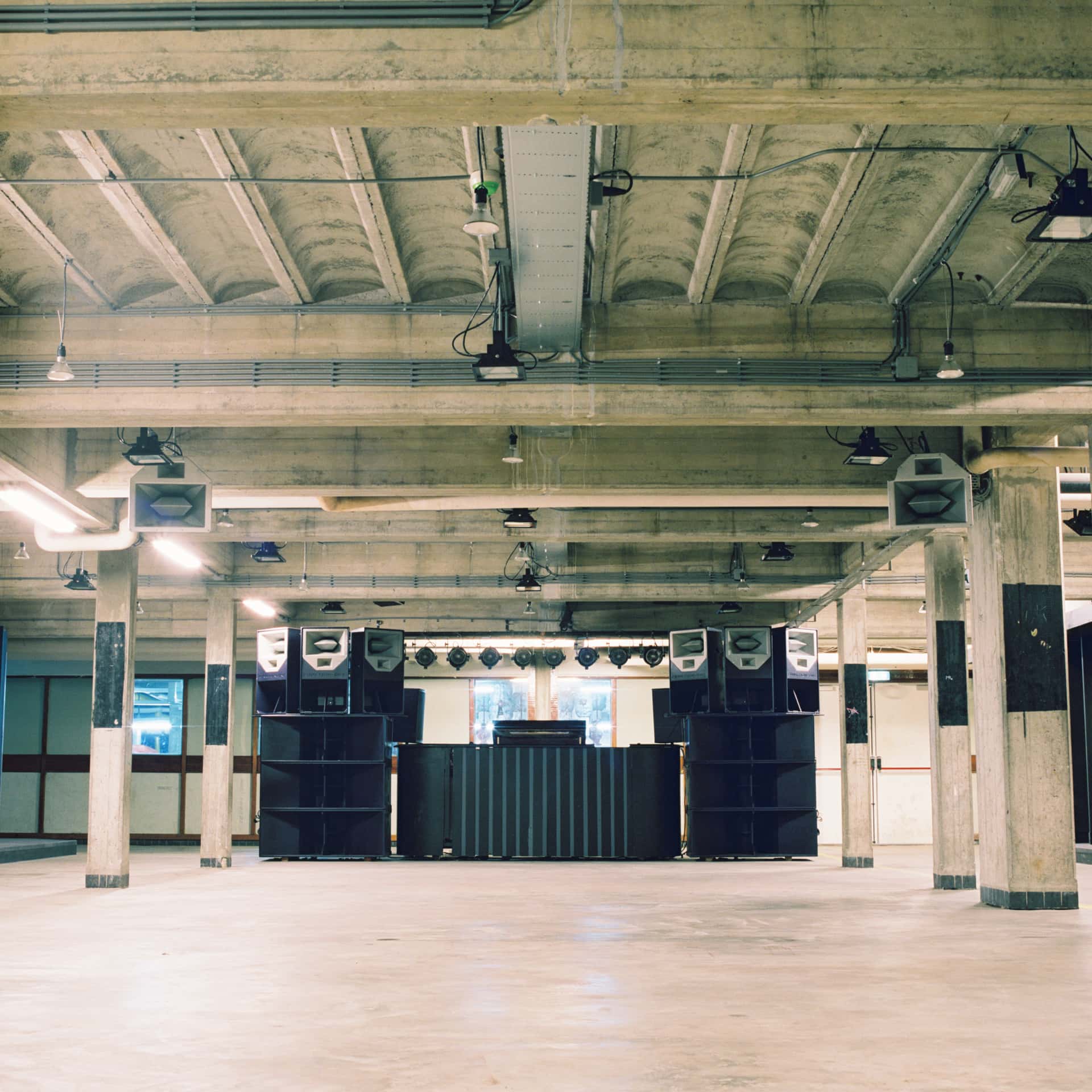
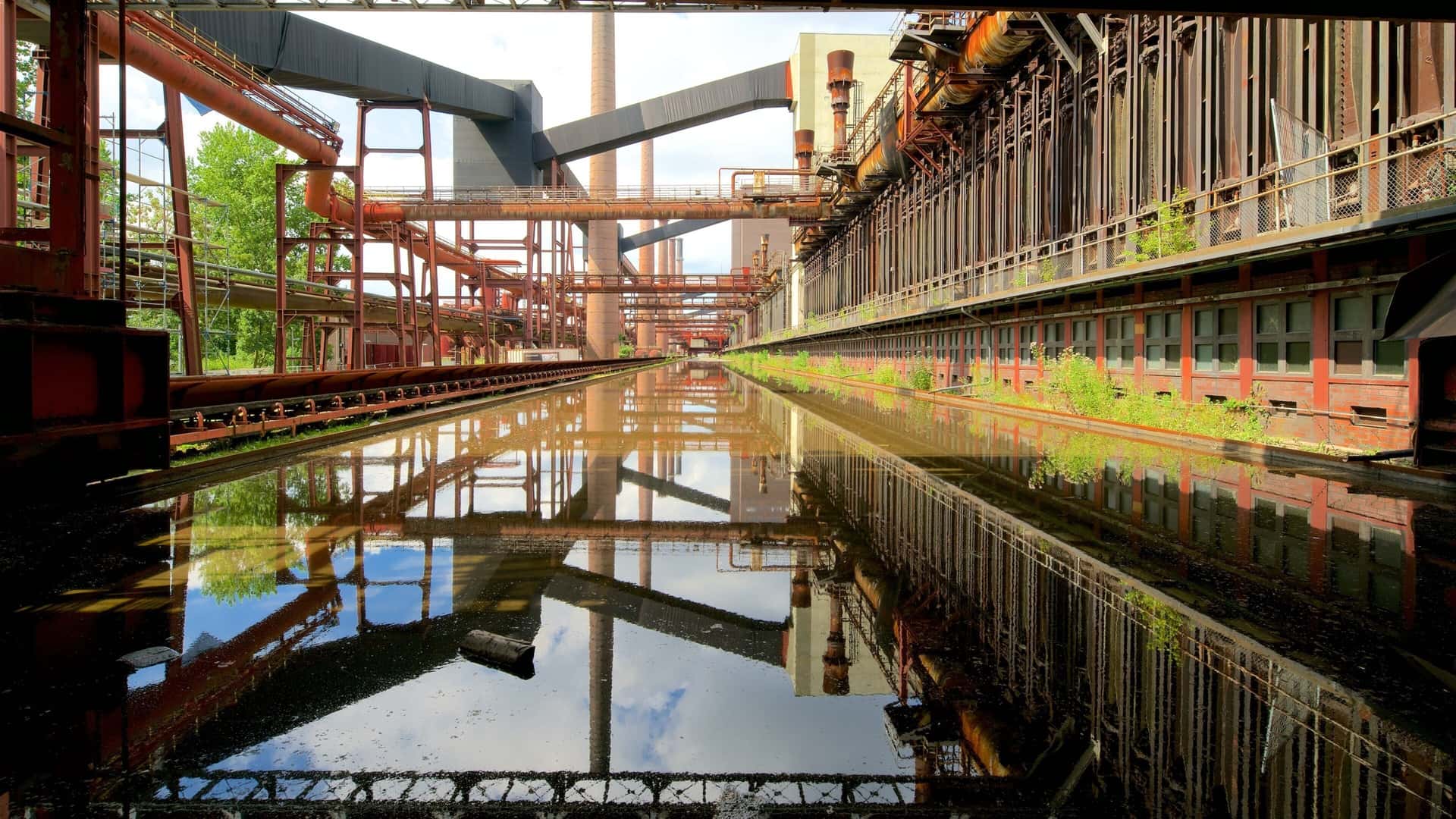
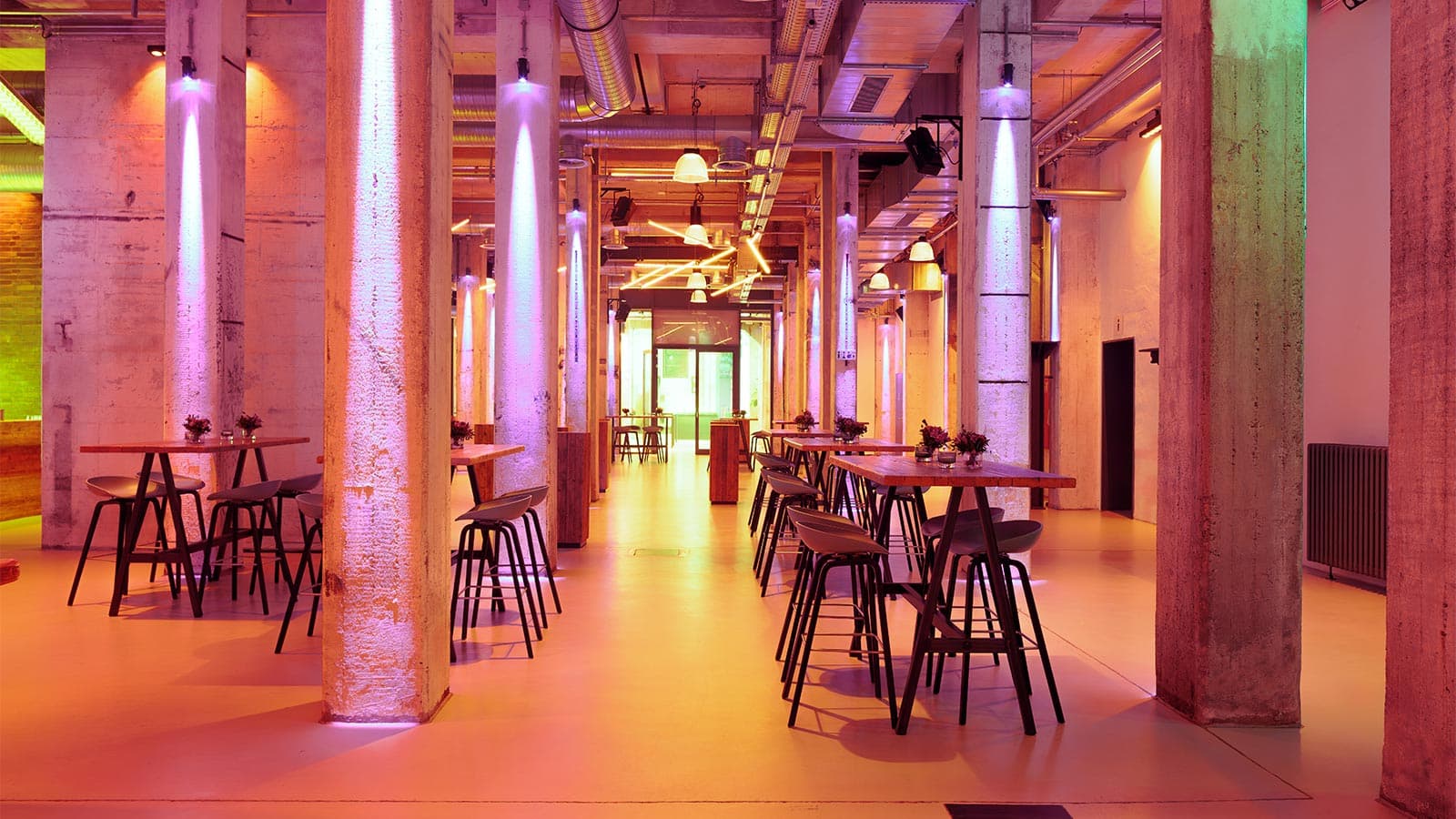
Today the venue offers 4,000 m² accessible across several floors, with an authorized capacity of 2,500 people. On the ground floor, the 460 m² Clubbereich—for up to 450 people—and a 360 m² foyer host receptions, parties, and club nights with DJs. Upstairs, the large 1,800 m² hall with an eight-meter ceiling accommodates standing concerts for about 2,400 attendees, galas, and trade fairs; next to it, the former Schalthaus is divided into smaller rooms. It is not a club with a weekly schedule: it functions as an event venue, with the club as one of its facets. Machines, electrical panels, and pipes remain visible behind glass on a UNESCO campus.
Venue technology, not brochure specs
A later renovation installed a decentralized sound system with 40 ceiling speakers, designed primarily for speech intelligibility at conferences, and a dimmable LED lighting system throughout the hall. There is a stage, catering kitchen, cloakroom, parking next to the hall, charging points, and an integrable outdoor area. The venue remains active as a full-service space above the coking plant, a few steps from the ovens and mixer, far from the routine of a neighborhood club and close to the industrial culture of the Ruhr.