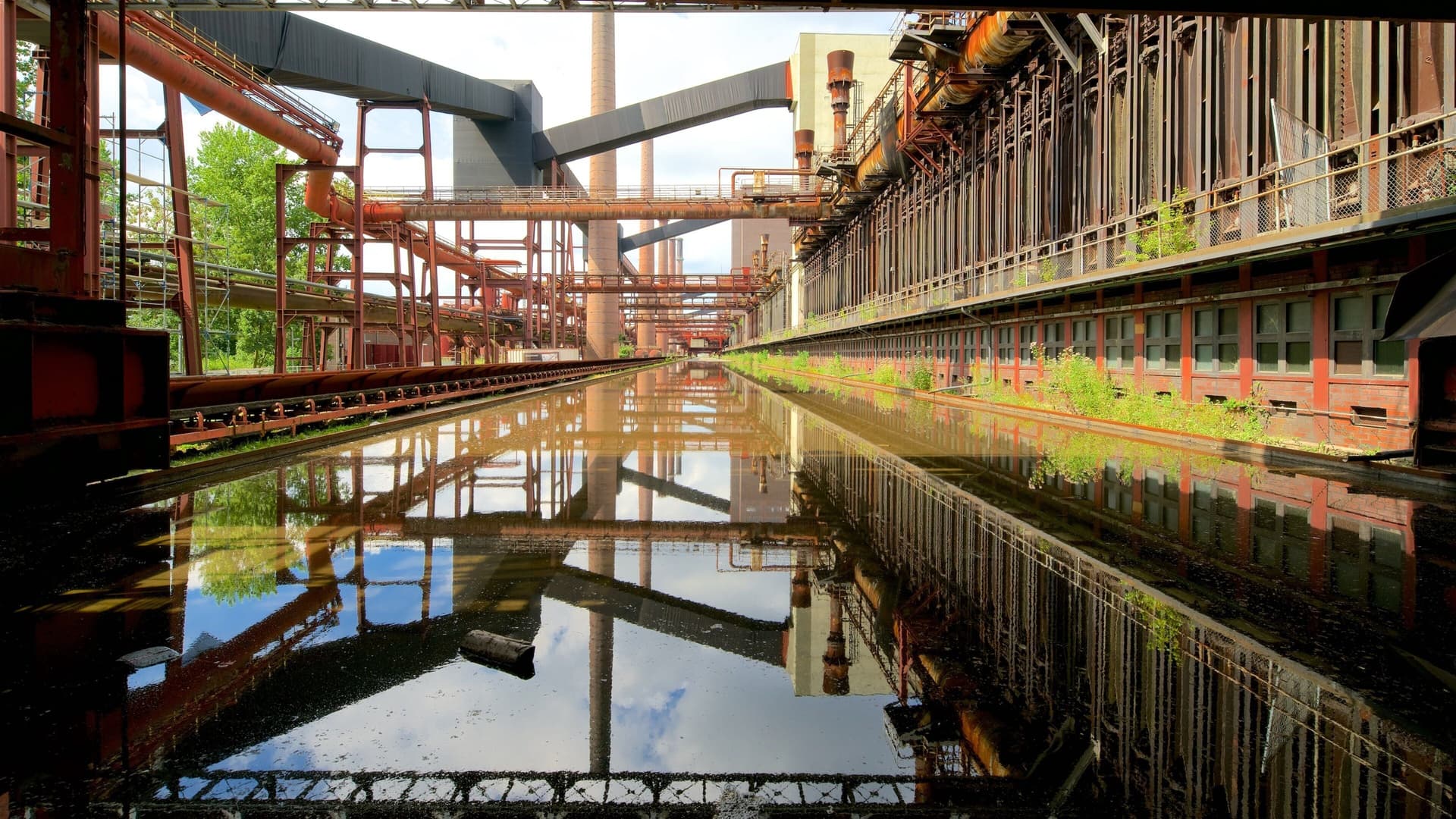

The imposing steel and brick skeleton of the Zeche Zollverein mine, a UNESCO World Heritage site, has once again been the epicenter of European techno this weekend. However, as the industrial dust and the echoes of the kick drums dissipated, the hangover from Stone Techno 2026 left us with a bittersweet taste that transcends mere physical fatigue. In specialized forums and in conversations on the dance floor, a deep and necessary debate has gained strength over the last forty-eight hours: the delicate and historical tension between commercial viability and the preservation of the underground essence.
No one can question the brilliance of the artistic curation of this edition. From this platform, we have always defended the need for bold programming, and the organization did not disappoint. Witnessing a back-to-back session between two titans of the stature of DVS1 and Oscar Mulero is, without a doubt, a sonic privilege that will remain etched in the memory of those present. Added to this were the precise and avant-garde performances of D.Dan and Rene Wise, proving that the festival's musical pulse continues to beat with commendable purity. Those who managed to immerse themselves in the darkness of the Grand Hall experienced superb acoustics, a palpable reminder of why this event earned its initial reputation. We understand that sustaining a production of this magnitude in such a spectacular location requires considerable financial muscle. Growth is, to a certain extent, a logical commercial step.
The arithmetic of the collective experience and the logistical collapse
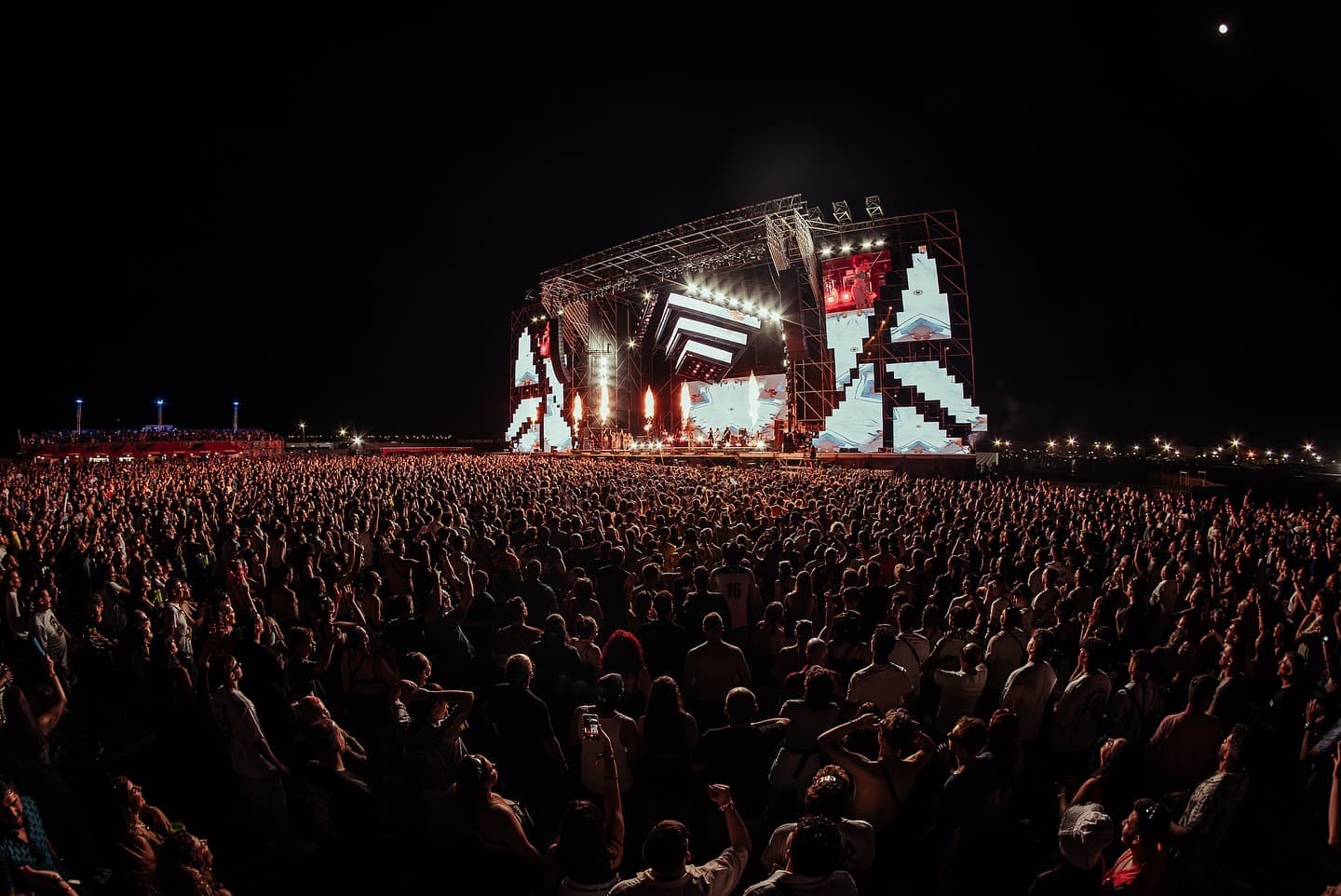
However, the arithmetic of the dance floor is relentless. When capacity multiplies to triple the figures of previous editions, the very fabric of the experience is subjected to extreme tension. The niche mystique, that intangible quality that turns a festival into a refuge, began to crack under the weight of clearly overwhelmed logistics. It is extremely difficult to maintain a spiritual connection with the sound when the attendee's most basic needs are relegated to the background. Waiting up to an hour in endless lines to get water, access a bathroom, or get some food is not an acceptable toll at an event of this caliber. Basic survival should never compete with cultural enjoyment.
To this infrastructural challenge, we must add the notable technical deficiencies experienced on most of the outdoor stages. While the Grand Hall shone for its sharpness and punch, the outdoor spaces offered flat and, too often, acoustically muddy sound. Techno, in its purest and most cerebral manifestation, requires pressure and clarity that physically envelops the body; when this technical premise fails, the magic vanishes and the music risks becoming mere background noise.
The constant flash versus ephemeral immersion
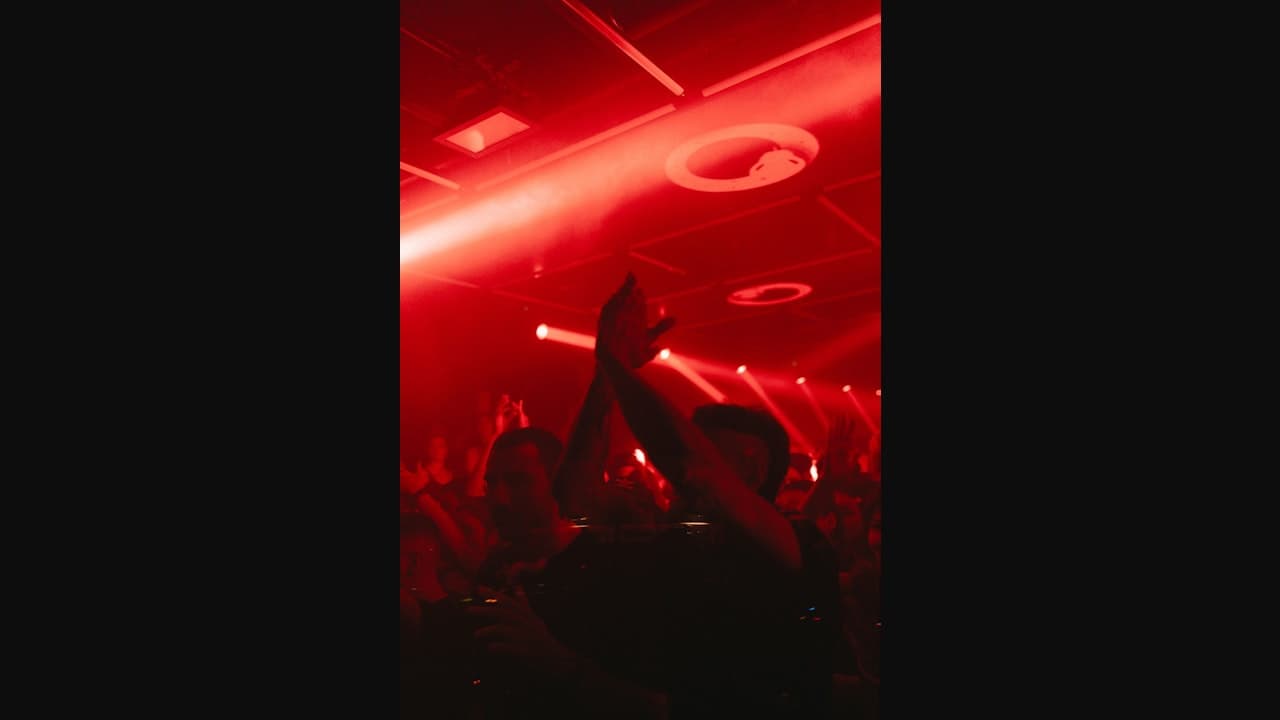
But perhaps the most revealing symptom of the paradigm shift at Stone Techno 2026 has been the worrying absence of camera restriction policies. The dance floor, historically conceived as a safe, intimate space for escapism, was invaded by a sea of lit screens. The proliferation of a new wave of attendees focused on creating content for social media fundamentally alters the dynamics of clubbing. When the primary goal of a significant portion of the audience is to document the moment for digital validation, the ephemeral and immersive connection that defines our culture is irremediably broken. The phone lens acts as an invisible wall between the individual and the collective catharsis.
From our perspective, it is not about falling into immovable purism or closing the doors to the new generations discovering this genre. The growth of the scene is a natural phenomenon that we observe with interest. However, mass-marketing an event based on its aura of exclusivity without adapting the infrastructure or jealously protecting its atmosphere is an obvious contradiction. In the long term, this strategy erodes the value of the proposal and risks alienating the community that gave birth to it.
The future of our sonic heritage
We find ourselves at a crucial crossroads for major contemporary electronic music events. The success of a proposal should not be measured solely by the number of tickets sold or profit margins, but by the overall quality of the human experience offered. It is imperative that organizations reflect deeply on their priorities. Implementing strict camera restriction policies is not a nostalgic whim, but a fundamental tool for preserving the intimacy of the dance ritual. Likewise, properly sizing services and ensuring impeccable sound in every corner of the venue are non-negotiable professional obligations.
Stone Techno 2026 has given us musical moments of extraordinary lucidity, reminding us of the transformative power of this art, but it has also shown us the cracks in a model that flirts dangerously with excessive massification. We sincerely hope that this wave of constructive criticism serves as a catalyst for change. Electronic music was born on the margins seeking freedom, and although today it occupies imposing industrial cathedrals, its soul must continue to belong to shared darkness, mutual respect, and absolute immersion.