

The human rebirth behind the robotic mask
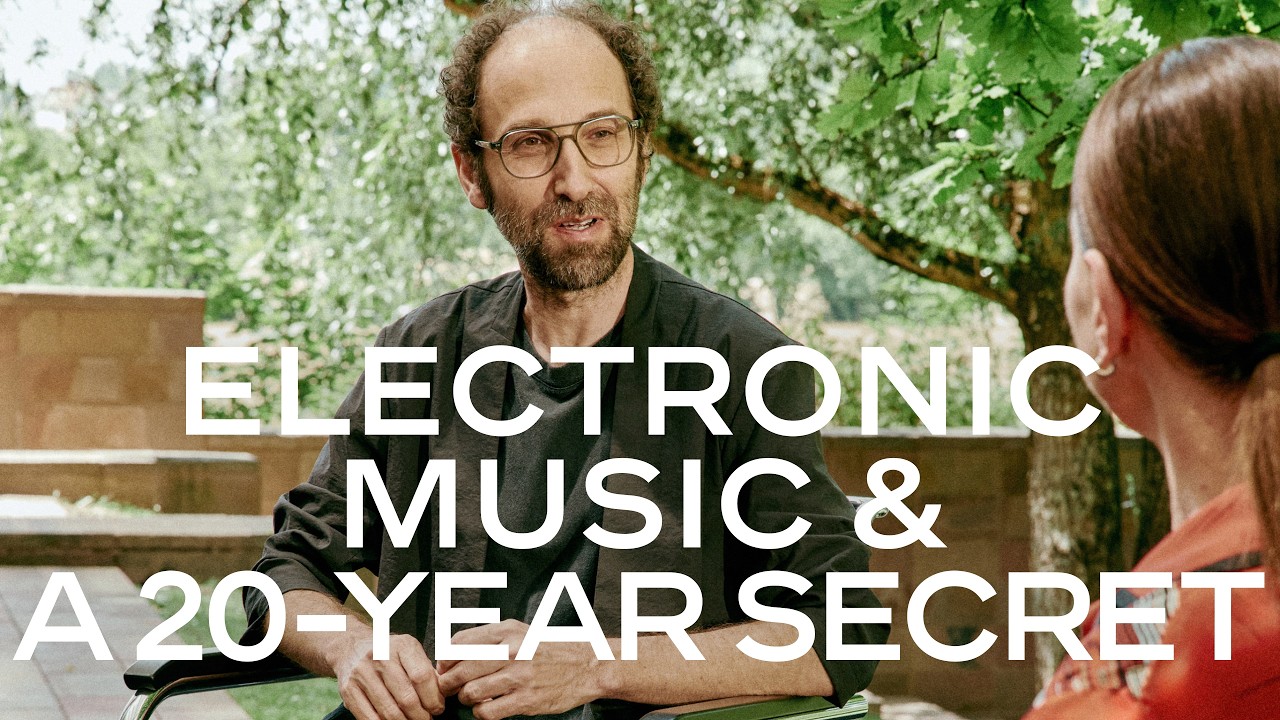
Recently, the Swiss city of Basel became the epicenter of a crucial debate for the future of music production and the identity of the contemporary artist. During the prestigious international fair Art Basel, in an exclusive panel organized under the umbrella of the CHANEL Connects podcast and moderated by Yana Peel, Global Head of Arts & Culture at the fashion house, Thomas Bangalter left an indelible mark by defining his stance on the current technological revolution. The man who for nearly three decades embodied an enigmatic chrome-plated cyborg alongside Guy-Manuel de Homem-Christo in Daft Punk, today draws an unbreakable line between the cold calculation of machines and the warm imperfection of human emotion. It is deeply poetic that the man who popularized the global robotic aesthetic is now the primary defender of our humanity.
Analog synthesis as a statement of intent
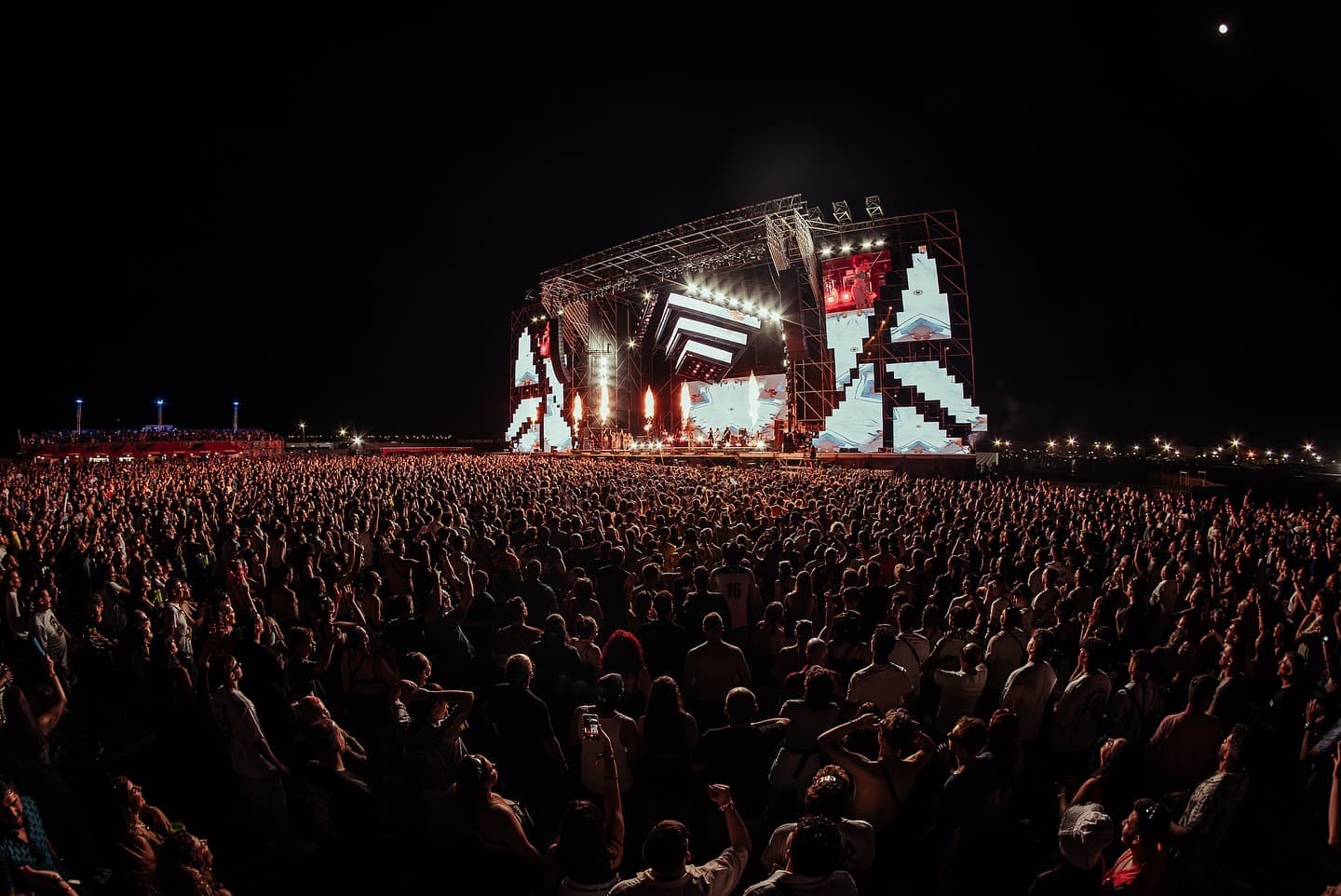
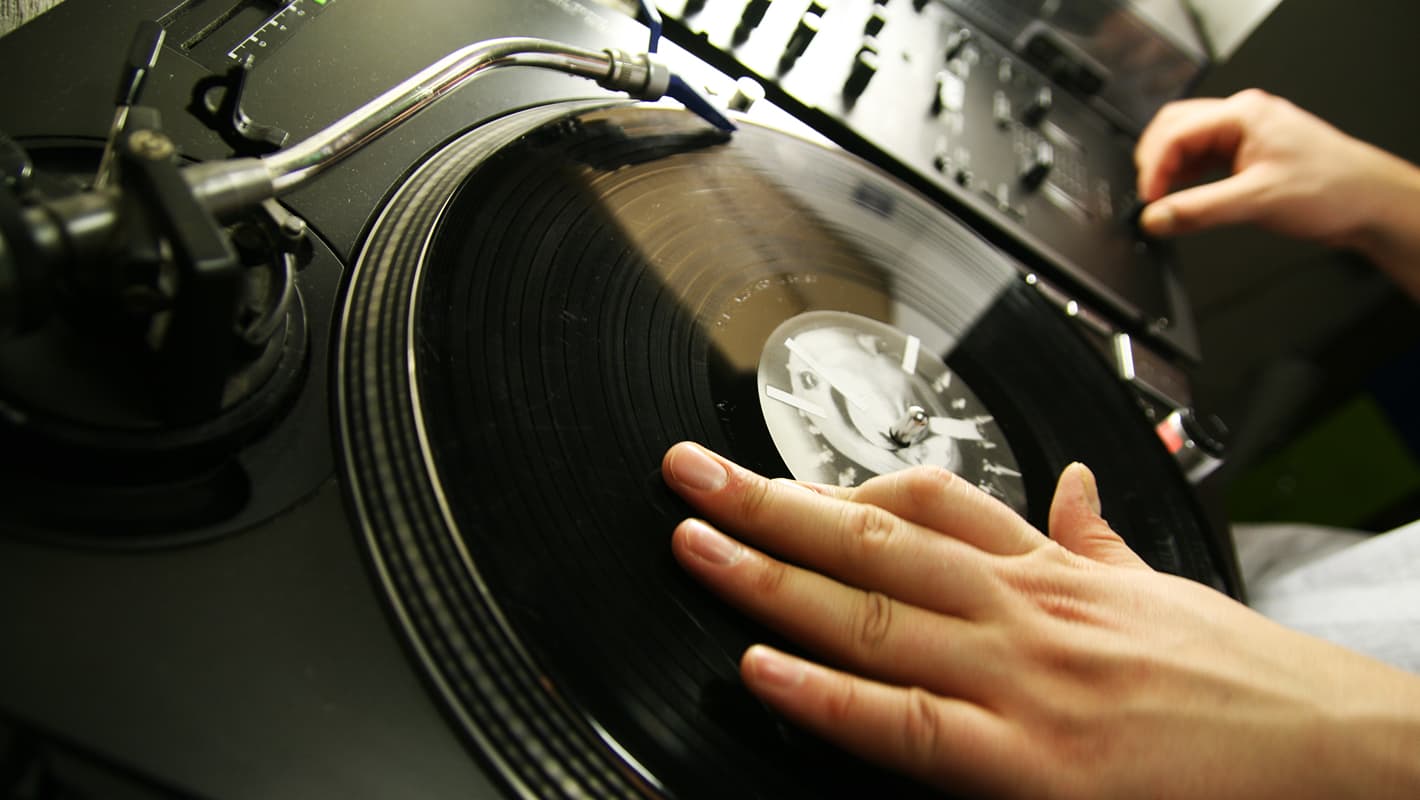
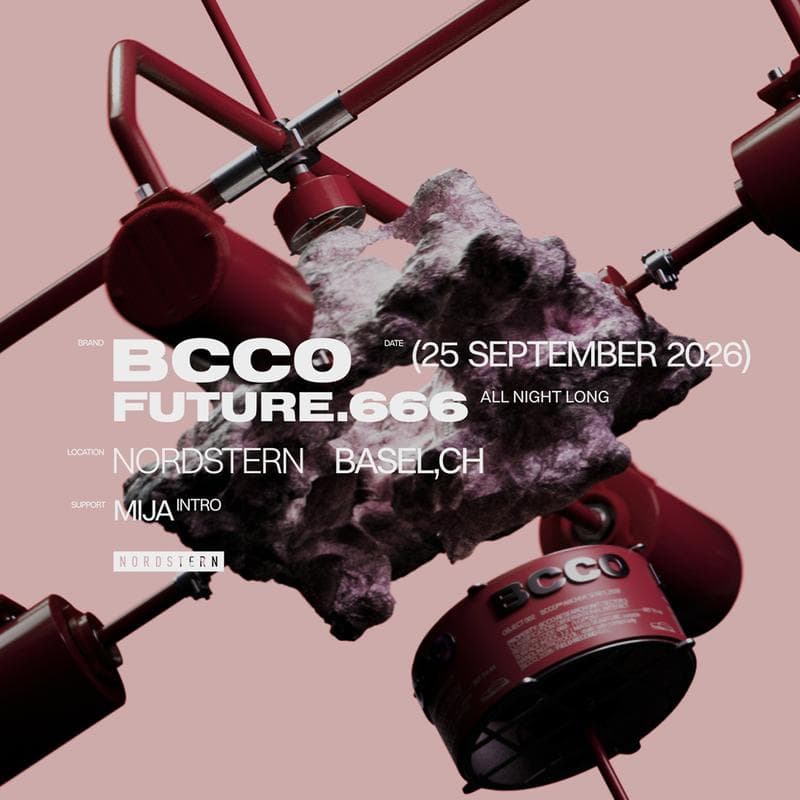
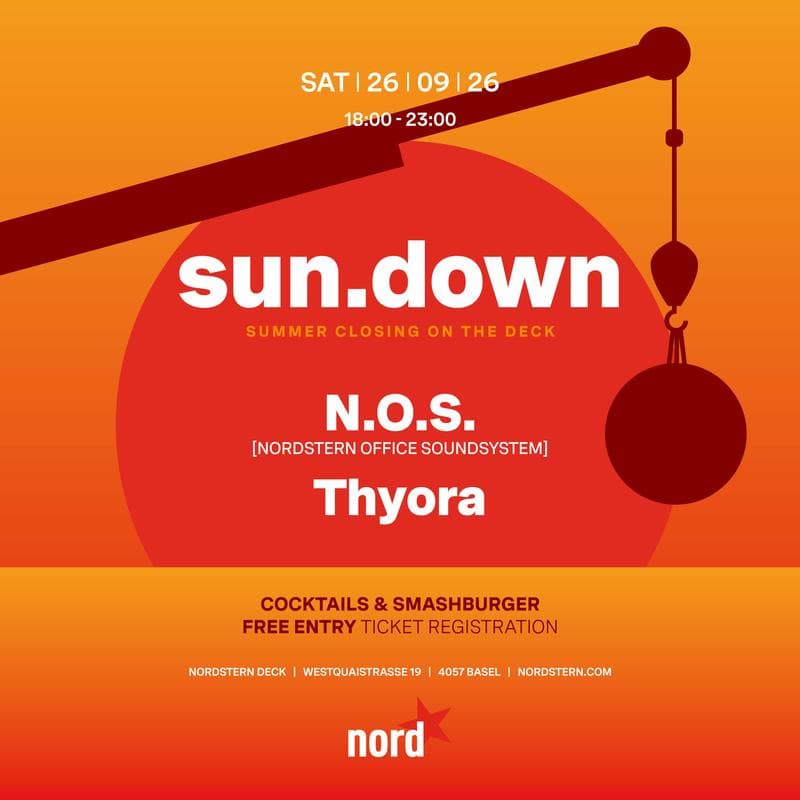
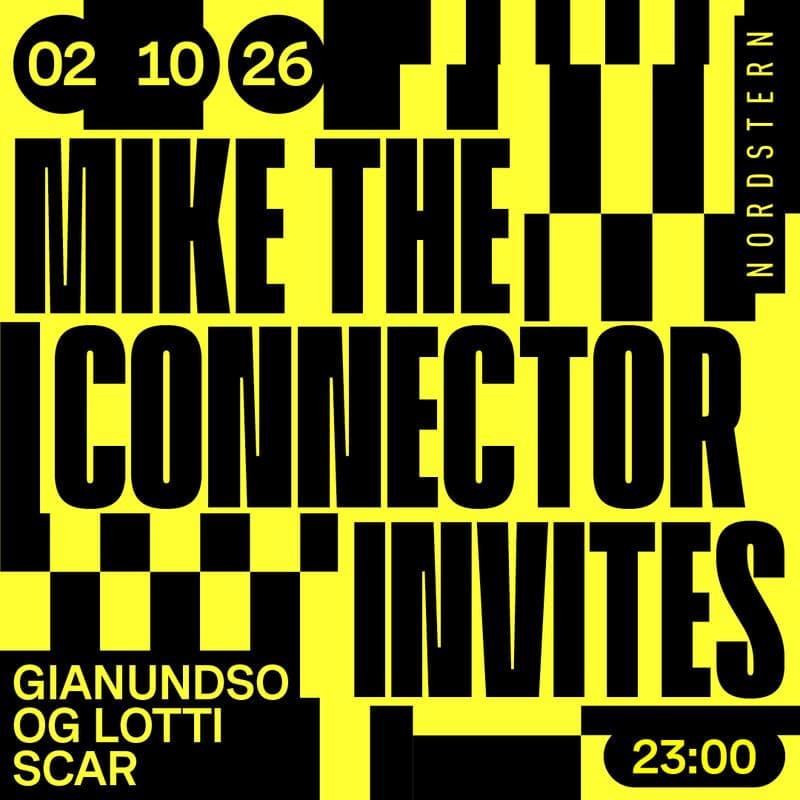
To understand the real magnitude of his words, from our editorial team we consider it vital to analyze the physical context in which they were spoken. Bangalter did not just attend Switzerland to theorize; he materialized his philosophy in 'Warehouse Artefacts'. This imposing immersive installation, co-created with Swiss conceptual artist Julian Charrière and Berlin producer Rampa, transformed at nightfall into a clandestine rave powered by Nordstern Basel at the Messe Basel venue. Under a strict no-mobile-phone policy, the French genius performed with a purely analog arsenal: classic drum machines and complex modular synthesizers, weaving a raw, tactile, and visceral sound tapestry live. It was an empirical demonstration that the groove and genuine soul of club electronic music cannot be replicated through lines of code.
The most interesting part of the creative process does not happen at an intellectual level at all. It is when you go through a process that is fundamentally about understanding your own feelings.
— Thomas Bangalter
Start playback
The paradox of the prompt and the subconscious
In a contemporary record industry obsessed with immediacy, where generative platforms threaten to flood streaming feeds using tracks created by algorithms in a matter of seconds, Bangalter's perspective is absolutely necessary. From our editorial position, we firmly believe that Artificial Intelligence, although it can be a useful technical tool in tedious mixing or mastering processes, fails miserably when attempting to emulate the subconscious. The award-winning musician brilliantly argued that his intimate relationship with art happens at such a deep cognitive level that it cannot even be expressed verbally. If a producer is forced to translate their anguish, euphoria, or melancholy into a simple text box for an AI to generate an audio file, the exploration of raw feelings is instantly lost. The true magic of the recording studio has always emerged from accidents: in the unexpected saturation of a filter, in the uncontrolled resonance of an oscillator, or in the slight phase shift of a hi-hat that gives swing to the BPM.
Feeling the machine: The final verdict
As devoted analysts of the scene, we observe a fascinating paradigm shift. During the golden nineties, techno pioneers played at being machines, hiding behind hardware to let the rhythm take center stage. Today, paradoxically, when machines are being programmed to try to sound like us, the true architects of sound demand we return to the organic root. After expanding his horizons toward orchestral composition, Bangalter's legacy no longer resides solely in having defined the sound of French Touch, but in his crusade to protect our vulnerability.
- Generative technology must be understood as a technical limit, not as a substitute for the composer's soul.
- The return to physical equipment and imperfection is the new act of rebellion in club culture.
- Digital disconnection on dance floors is fundamental to reconnecting with the human frequency.