

The rebirth of 140 BPM in the mainstream
By mid-2026, it is undeniable that the boundaries between club music and commercial pop have completely dissolved. What a decade ago might have been considered a mere exercise in nostalgia, today stands as the fundamental pillar of the music industry. From our perspective at TechnoBeatsCloud, we observe how eurodance, that genre once reviled by electronic purists due to its marked commercial vocation, has returned to dictate the rules of the game. World-class artists and behind-the-scenes producers have rescued its piercing synthesizers, galloping basslines, and that characteristic euphoric energy to inject it directly into international hit charts.
We are no longer talking about simple sporadic nods or the use of isolated samples. The sonic architecture of the nineties, characterized by the use of the iconic Korg M1 piano and the punchy Roland TR-909 drum machines, has become the standard template. Producers who once navigated exclusively through underground waters now lead global rankings, proving that the secret formula of eurodance always resided in its unparalleled ability to connect with the listener's primary emotion on the dance floor.
Sonic architects and the redefinition of pop
To understand this metamorphosis, it is crucial to analyze the recent movements of key figures in the scene. Recently, the release of the acclaimed album Cerulean by British producer Danny L Harle via XL Recordings has marked a turning point. Harle, who has been a fundamental sonic architect in the mutation of contemporary pop, describes his work as a search for "euphoric melancholy." In this work, vocal trance and the rave energy of eurodance coexist with minimalist structures, proving that the genre can be as excessive as it is deeply human.
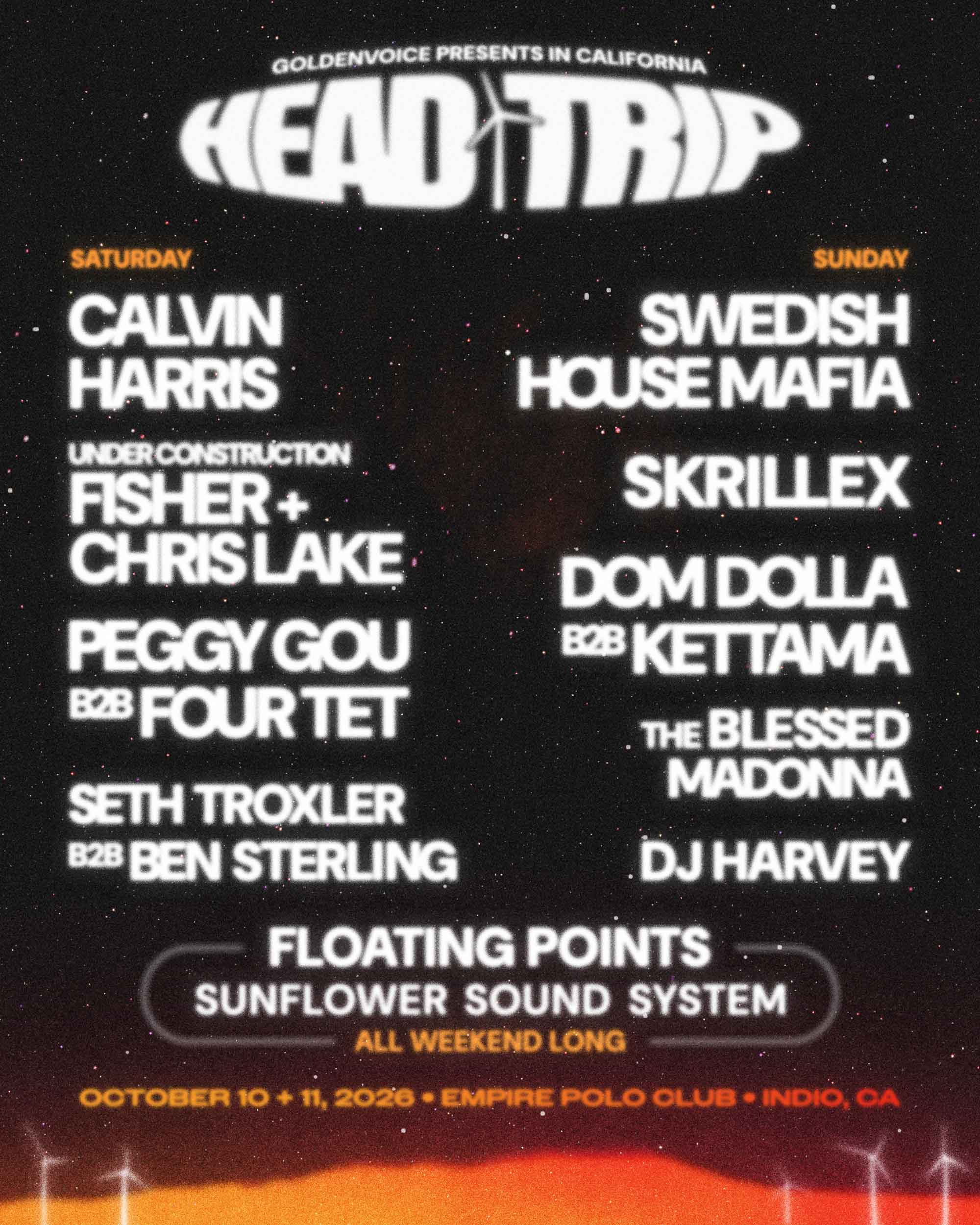
In parallel, consolidated booth giants like Calvin Harris or David Guetta continue to revalidate this massive trend. Harris, with releases that deliberately evoke his days as a bedroom trance producer, has shown that the global audience craves that rhythmic purity. For his part, Guetta remains an absolute master at adapting classic eurodance hooks, transforming them into modern stadium anthems. This vindication of the nineties sound eliminates the original stigma of the genre, allowing current artists to embrace without complexes a music that is genuinely populist and designed for collective catharsis.
The tension is not resolved with the eurodance revival in pop; it is produced precisely by it, creating magnetic hooks that work with mathematical precision and manage to transcend entire generations.
— TechnoBeatsCloud Editorial Line
Key elements of the electronic invasion
Technically analyzing this infiltration of eurodance into contemporary pop, we identify several production factors that have become ubiquitous in top-tier recording studios:
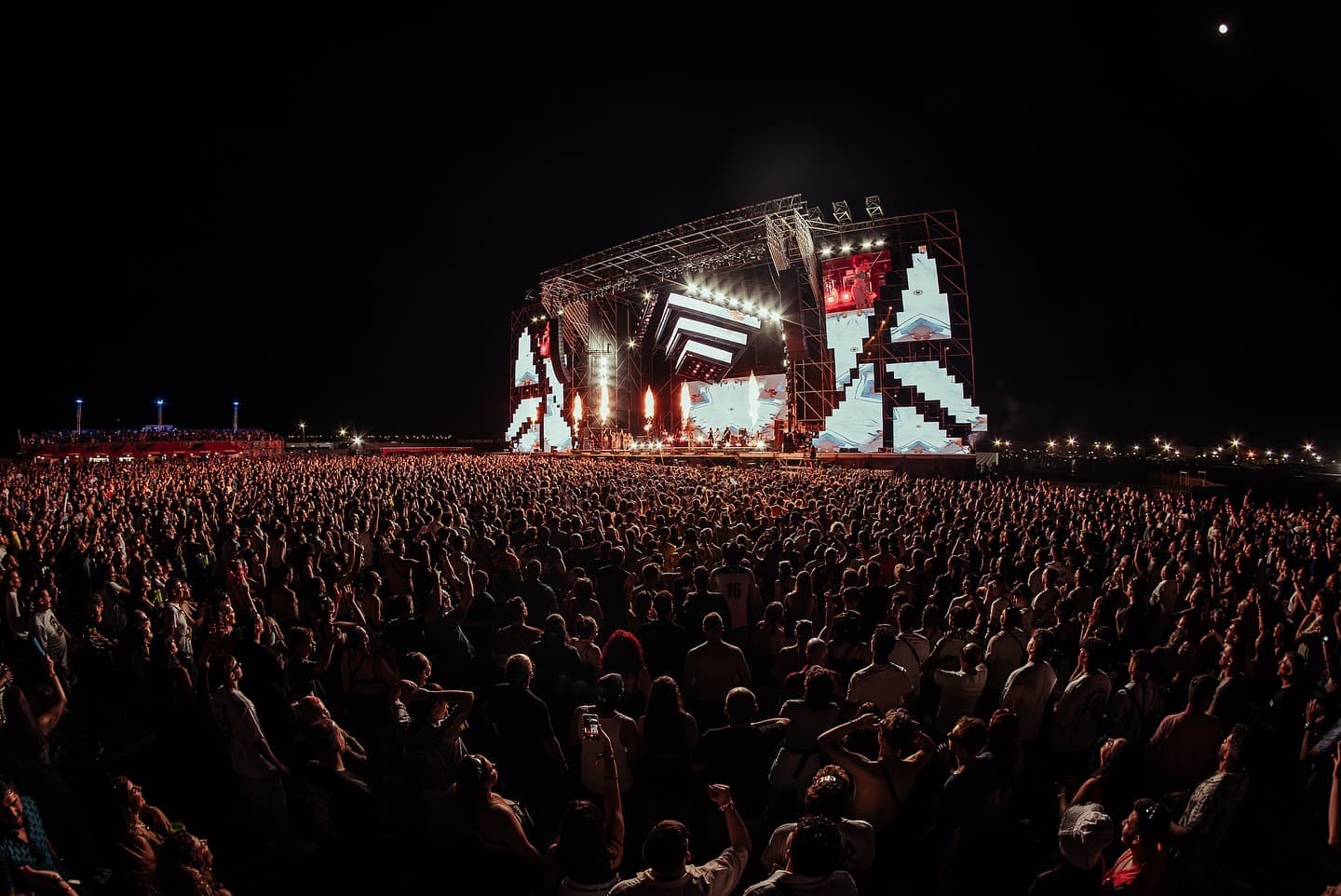
- The return to accelerated tempos, usually oscillating between 135 and 145 BPM, designed to maximize energy in large venues and massive festivals like Primavera Sound.
- The prominence of ethereal female vocals, heavily processed and influenced by the trance and progressive house of the late nineties.
- The constant use of supersaw synthesizers and off-beat basslines that generate a hypnotic groove, forcing the body into involuntary movement.
- Song structures that subvert traditional pop, prioritizing the instrumental drop and the explosion of bass over the classic vocal chorus.
The pulse of a generation that refuses to slow down
We firmly believe that this phenomenon goes far beyond a simple passing fad or a cyclical wave of nostalgia. Eurodance has proven to be a perfect emotional design tool for the current social context. In an era marked by digital overstimulation and constant uncertainty, the dance floor demands anthems that offer total and uncompromising escapism. The brutal honesty of a four-on-the-floor kick drum and a euphoric synthesizer melody provides a sonic refuge that traditional pop, often weighed down by introspection, cannot always offer.
Ultimately, the immortal legacy of eurodance resides in its impeccable functionality. By shedding the elitist prejudices of the past, the industry has rediscovered a treasure trove of rhythmic mechanics that, today, dominate the global landscape. As long as BPMs keep rising and producers continue to explore the thin and fascinating line between unbridled euphoria and melancholy, the spirit of the nineties will remain alive, beating strongly in the very heart of the pop of the future.