
The summer that shook the music industry
The close of the 2026 summer season forces a rigorous assessment of the state of the festival circuit in Spain. The cancellation of some thirty events nationwide, including brands of various genres, has reopened the debate on market saturation. However, a detailed analysis of operational data reveals that the supposed bursting of the festival bubble is, in reality, a structural correction of the sector.
The 'sold out' mirage and fee inflation
The business model based on accumulating names on a lineup has shown critical deficiencies. Economic reports from the sector indicate that artist and DJ fees have tripled in the last decade. This inflation causes ticket sales to barely cover between 70% and 80% of total production costs. Hanging the sold-out sign no longer guarantees profitability; the profit margin has narrowed to the point of making medium-format projects unviable without solid financial backing.
The real problem is not at the box office, but in the margin. Although an event sells all its tickets, a full house guarantees not losing an audience, but it does not ensure not losing money.
— Sector analysis in 2026
Added to this scenario is the economic impact on the attendee. Season tickets have reached historic prices, exceeding 300 euros for larger format events. Internal consumption also reflects this escalation, with drink prices ranging between 4 and 7 euros, depending on the exclusive sponsor of each venue.
Electronic music resists the readjustment
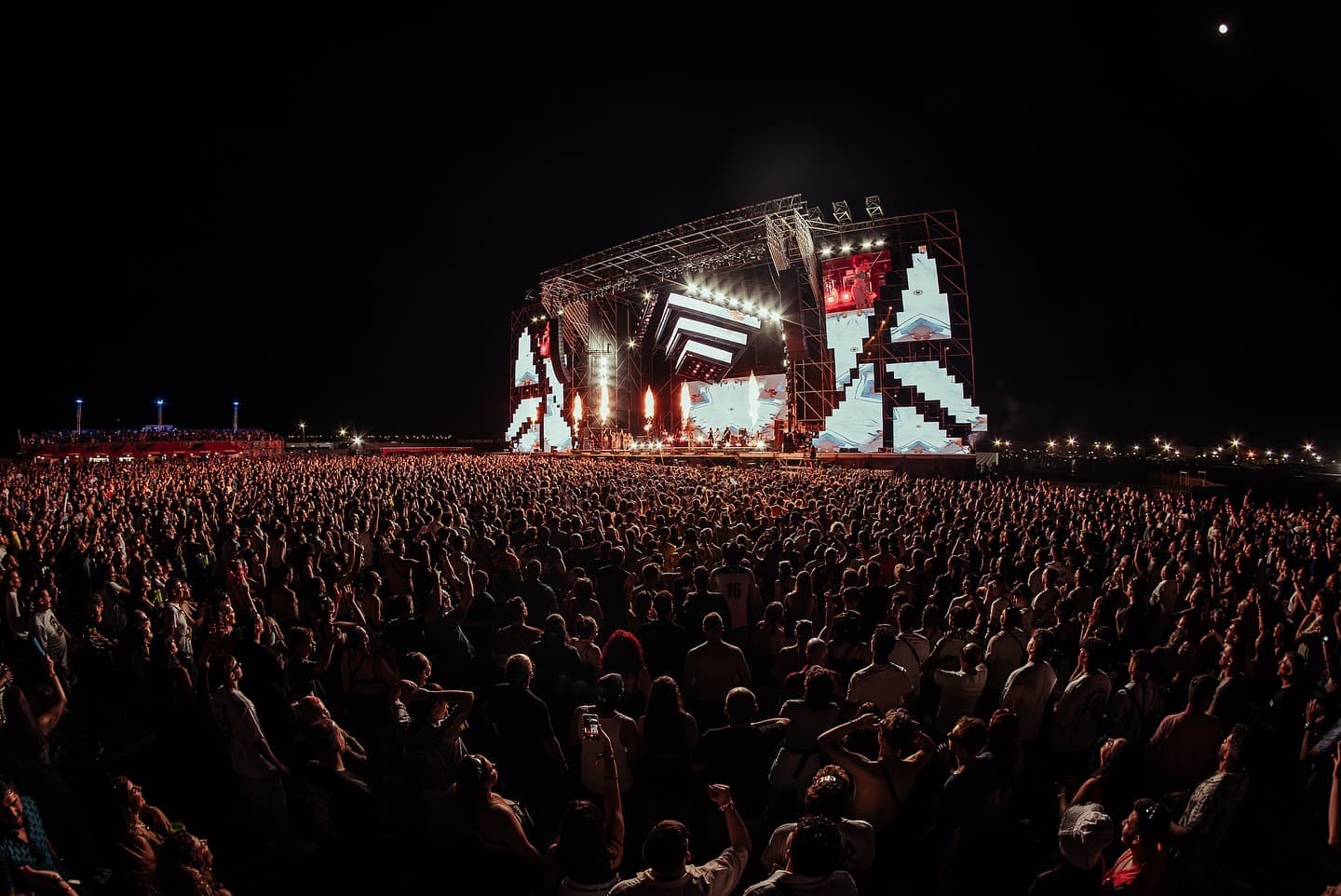
The electronic music scene has shown a remarkable capacity for resistance against the general culling, supported by consolidated brands and loyal audiences. Macro-events have maintained their operational traction despite the increase in logistics costs.
- Sónar: Closed its 33rd edition with more than 150,000 attendees, consolidating its unified model at Fira Gran Via.
- Monegros Desert Festival: Revalidated its extreme 22-hour non-stop format in Huesca.
- Dreambeach: Maintained its profitability after moving its headquarters to Vélez-Málaga.
- Medusa Festival: Retained its market share in Cullera with high-impact visual infrastructure.
Perspective
The summer of 2026 does not mark the end of festivals in Spain, but the exhaustion of a cloned model. The current culling penalizes the lack of financial viability and rewards specialization. The circuit is heading towards a stage of mandatory professionalization, where user experience and budgetary rigor will be the only guarantors of survival. The electronic music industry, with its highly technical infrastructure and independence from traditional touring formats, possesses the competitive advantage necessary to lead this cycle change.