
The Echo of Vinyl: Nostalgia or Evolution in the Booth?
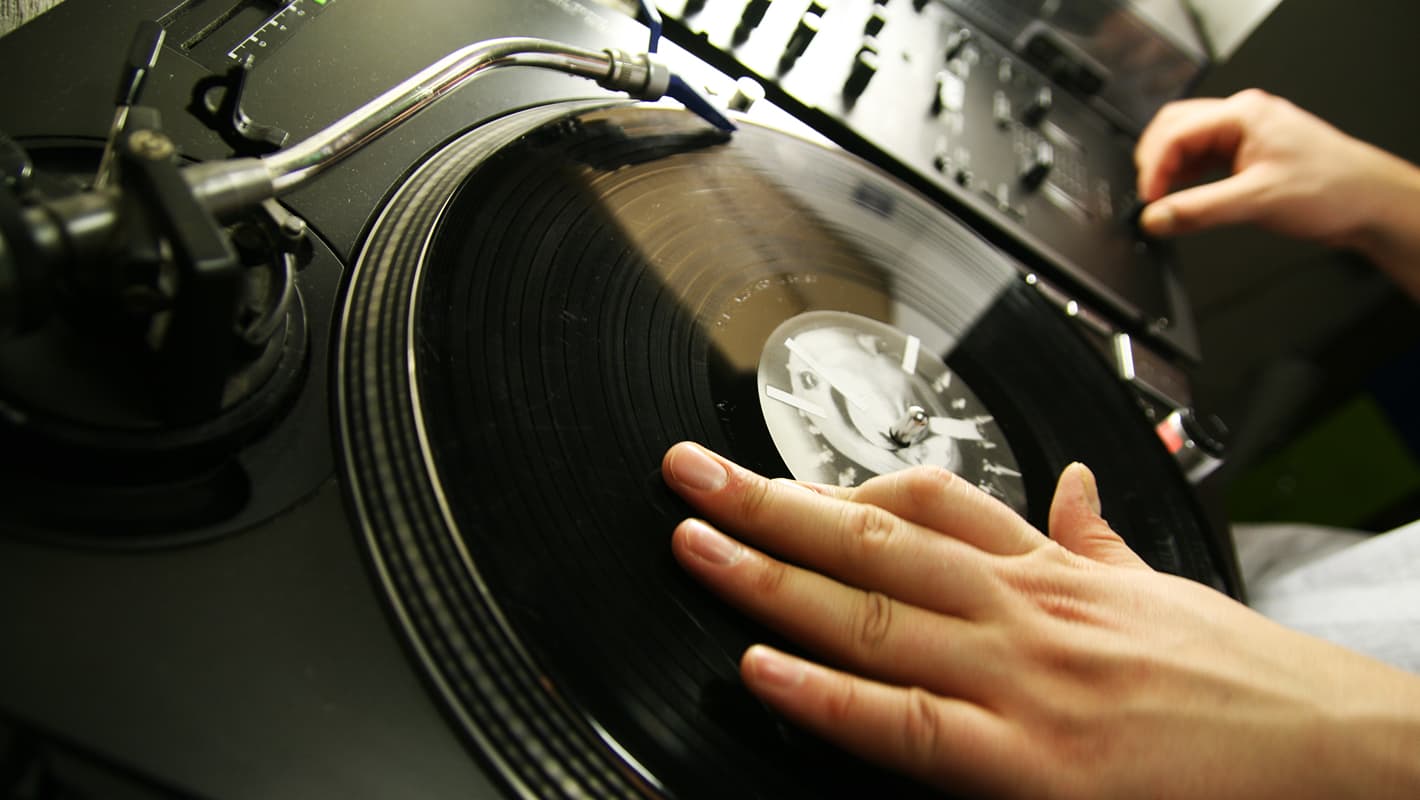
Recently, the r/DJs community ignited with a question that has been floating in the air of the electronic scene for years: is there still a real place for scratch DJs in the current musical landscape? The debate, started by a user coming from traditional instruments who entered the world of DJing through an old Hercules controller, reflects a palpable disillusionment. Upon trying to delve into the discipline, they found that the technique of turntablism has been widely displaced in tutorials and forums by flawless transitions, millimeter equalization, and the abuse of SFX. In an era where 4/4 groove and modular synthesis rule modern clubbing, the figure of the turntablist seems to have been relegated, for many, to a cult act.
However, from our perspective at TechnoBeatsCloud, reducing turntablism to a simple nostalgic ornament is a serious analytical error. While it is true that scratch routines no longer dominate the main stages of mainstream macro-festivals as they did in the golden age of groups like X-Ecutioners or figures like DJ Lethal, the discipline has mutated. Today, scratching is integrated in much more subtle and technical ways, backed by an ecosystem of hardware and software innovation that continues to bet heavily on this aspect.
DMC World 2026 and the Global Census: The Data Speaks
To understand the real health of turntablism in 2026, we must look at empirical data. This coming November, from the 11th to the 14th, London will host a new edition of the DMC World DJ Championships, the most prestigious and long-standing competition in the sector. Far from being in decline, this year's Wildcard Open qualifying rounds have shown an overwhelming technical level, with artists like DJ Stonic and DJ Damianito securing their places in the world Top 20, and legends like Skratch Bastid confirming stellar performances. The competition remains the engine of innovation for the discipline globally.
Furthermore, the recent 2026 Global DJ Census, which surveyed more than 22,000 booth professionals, sheds light on current tools. Although Rekordbox leads the software market with a 34% share, Serato maintains a solid 27%, historically being the preferred digital ecosystem for turntablists. Technology has not abandoned scratching; it has digitized and expanded it.
- Hybrid hardware integration: State-of-the-art equipment like the Pioneer DJ PLX-CRSS12 and the Reloop RP-8000 MK2 demonstrate that major brands continue to invest in high-torque (super OEM) motors designed specifically to support aggressive routines and extreme manipulation.
- Needleless DVS ecosystem: The use of technologies that eliminate needle skipping in high-vibration environments has standardized the reliability of live scratching, allowing DJs to focus on technique without fear of mechanical failure.
- Stems isolation: The rise of real-time Stems, used by 73% of the DJs surveyed this year, allows turntablists to isolate vocals or drums on the fly, opening up possibilities for rhythmic manipulation unthinkable a decade ago.
Our Perspective: Scratching as a Precision Weapon, Not Filler
From our editorial team, we firmly believe that turntablism in 2026 has found its exact place within the electronic ecosystem. It is no longer the main course at most events focused on techno or underground house, where BPM fluidity and hypnotic progression are sacred. However, in urban genres, bass music, and open-format sets, it remains a critical differentiator. Being a scratch DJ today does not guarantee you will be the headliner at a pure techno festival, but it grants you a technical arsenal that the vast majority of DJs dependent on automatic synchronization simply do not possess.
The current market rewards musical curation and energy on the dance floor, but the human factor—the tactile risk of touching vinyl, manual dexterity, the margin for error, and the brilliance of live execution—is a luxury that few can offer with solvency. Turntablism has not died; it has simply ceased to be a commercial fad to return to its purest roots: a demonstration of absolute technical skill and love for the physical manipulation of sound.