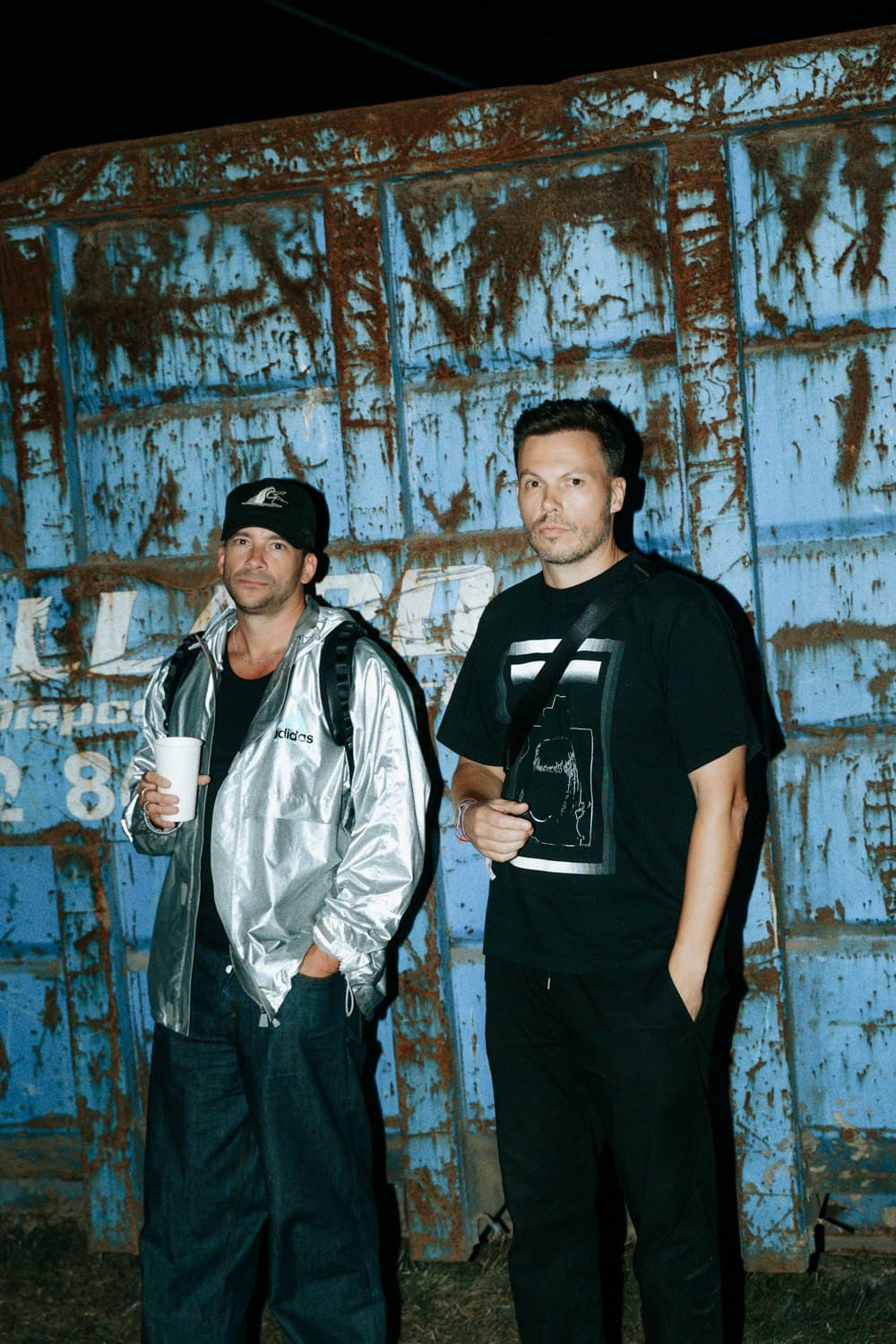


Moby's speech at On The Beach 2026
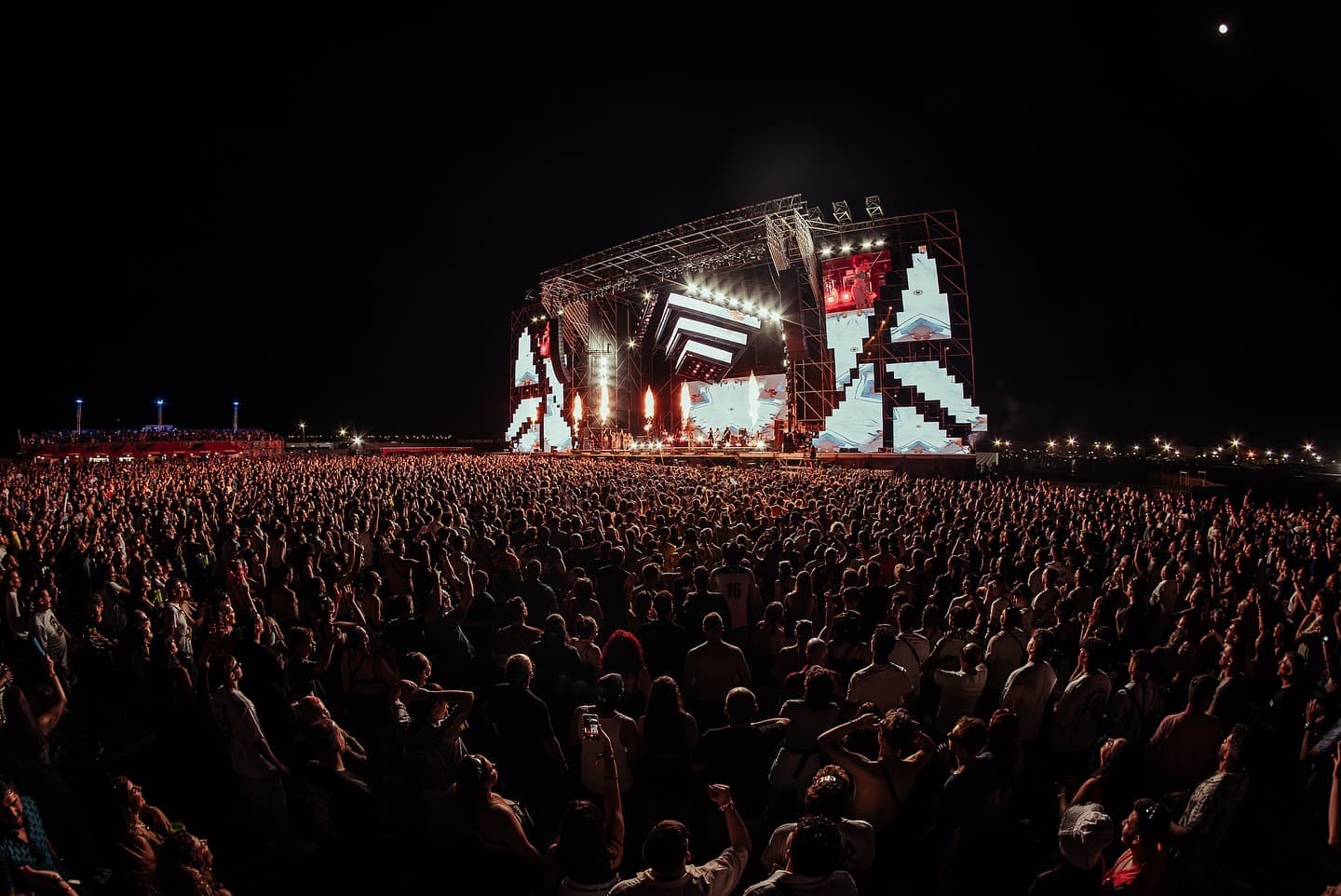
A few days ago, specifically on Sunday, July 26, 2026, Brighton beach was the closing venue for the On The Beach festival. In front of more than 10,000 attendees, the iconic American producer Moby offered a live performance with a full band that transcended the strictly musical. During his presentation, framed by the sunset on the south coast of England, the artist paused the percussion and synthesizers to address the audience. The goal of this intervention was to trace a timeline of his personal connection to UK music, a market that was fundamental to his international takeoff in the nineties.
From the Sex Pistols to the pioneers of clubbing
In his speech, Moby called himself an "Anglophile" since his childhood. The producer detailed how, starting at age six, he discovered fundamental punk and post-punk bands like the Sex Pistols, Public Image Ltd, The Clash, Joy Division, New Order, and Echo & the Bunnymen. However, the turning point of the speech came when addressing the evolution of dance music and its metamorphosis upon crossing the Atlantic.
This is the land where house and techno exploded. Thanks to creators like Paul Oakenfold, Danny Rampling, Pete Tong, and Carl Cox, I don't think it's an exaggeration to say that you invented rave culture.
— Moby
The artist acknowledged that the structural foundations of house come from Chicago, specifically mentioning the legendary Frankie Knuckles and his work at The Warehouse. However, from our perspective at TechnoBeatsCloud, we consider his sociological reading accurate: it was the British ecosystem that took those imported rhythms and transformed them into a massive cultural movement. Moby backed this idea by recalling his first experience at a UK rave, the 1991 Rain Dance event. He described the scene of thousands of people celebrating outdoors in a remote field while the newly released anthem 'Everybody's Free' by Rozalla played, defining the moment as absolute perfection.
A tracklist intertwined with history and activism
Beyond the statements, the musical repertoire served as a historical document of his career. The day in Brighton included nearly seven hours of previous performances by figures such as Max Cooper, Logic1000, SWIM, Planningtorock, and a b2b set between Miggs and Carter. When Moby took the stage at 8:45 PM, he opened his block with the energy of 'Bodyrock'. Throughout the evening, he evoked his first hits on British pirate radio, recalling how his track 'Love Bytes' was played by Colin Faver on Kiss FM before he gave one of his first interviews in the country.
- 'Bodyrock' (1995)
- 'Go' (1991)
- 'Next Is the E' (1992)
- 'In This World' and 'In My Heart' (2002)
The setlist combined the forcefulness of nineties techno with more melodic passages, including an acoustic version of 'Heroes' by David Bowie, which he described as the most beautiful song ever written. True to his philosophy, the American also integrated his activist side through a pre-recorded message from primatologist Jane Goodall about animal liberation and environmental protection. It should be noted that the producer maintains his commitment intact, currently donating one hundred percent of the profits from his festival performances to charitable organizations defending animal rights.
The verdict on the British electronic infrastructure
Analyzing Moby's statements at On The Beach 2026, we confirm an inescapable truth about the modern electronic industry. While the United States provided the source code through Chicago house and Detroit techno, the United Kingdom developed the cultural infrastructure necessary for its global expansion. The network of clubs like The Zap in Brighton, pirate radio stations, and illegal raves in open fields shaped the mold of what we know today as the international festival scene. We believe this public recognition by the creator of 'Play'—the album that changed the rules of commercial licensing in electronic music—underscores the critical importance of preserving and documenting the origins of our culture, preventing current massification from diluting the memory of those who built the scene from the underground.