
The echo of a bass that silences sonic nostalgia
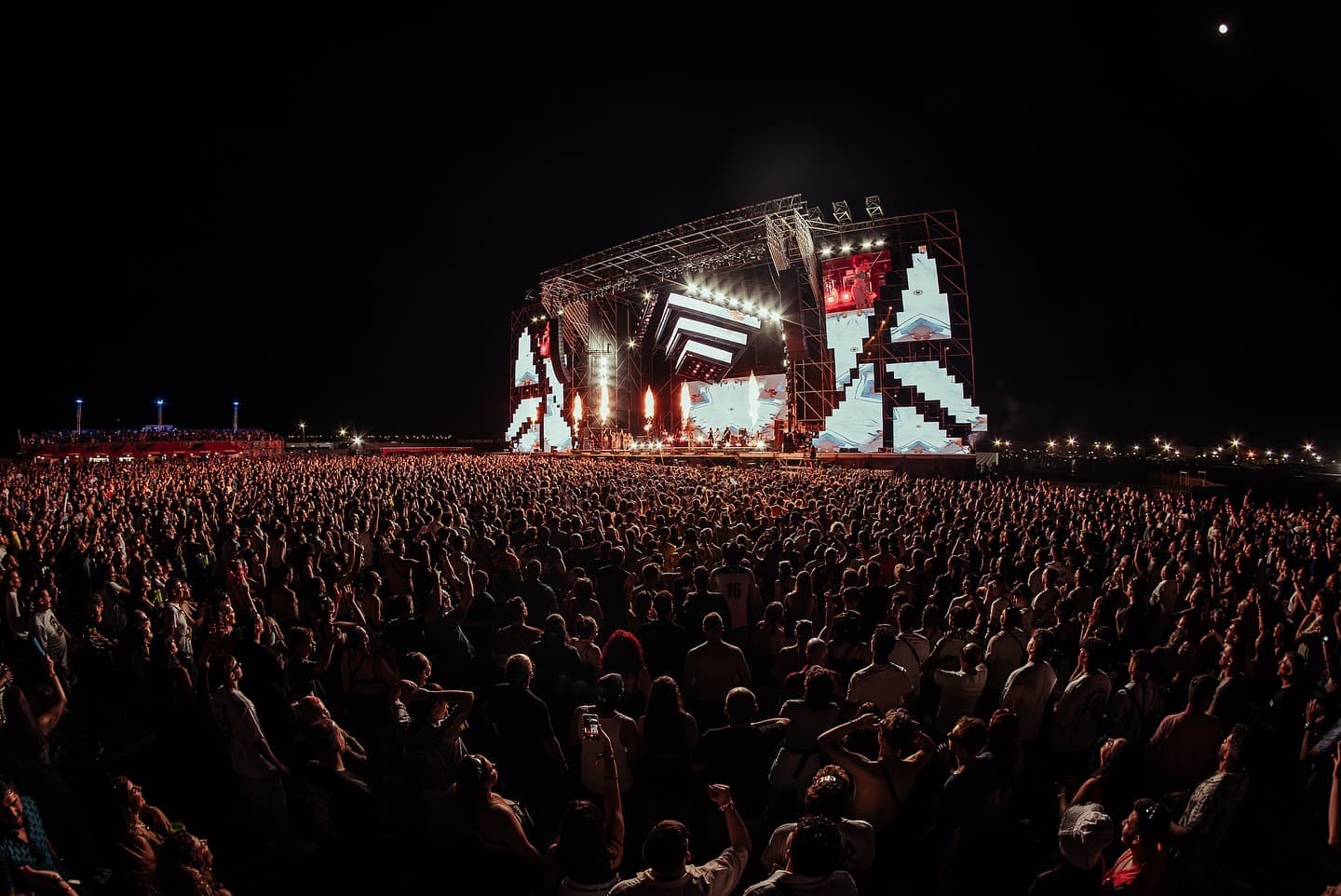
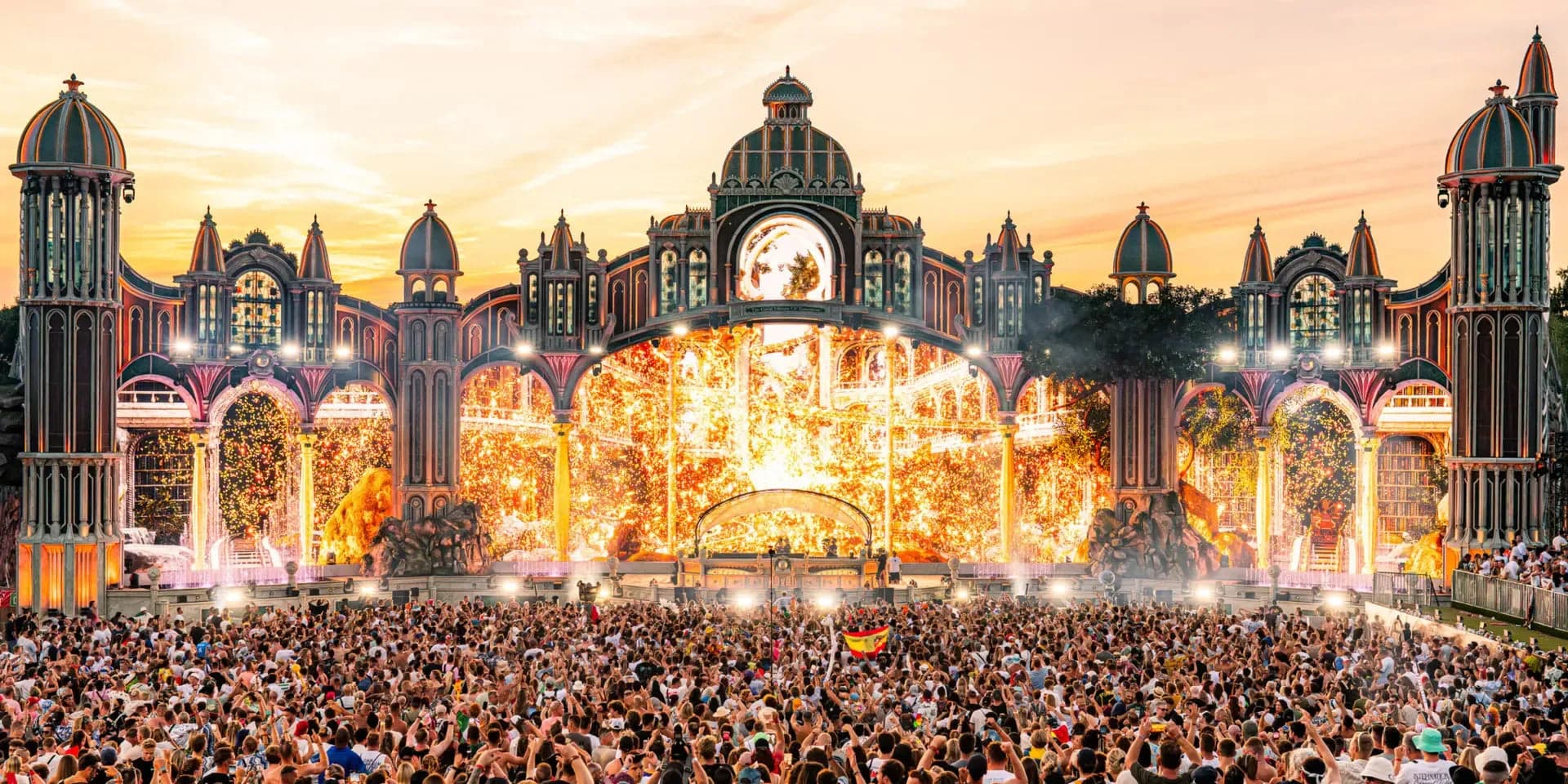
The dust has barely settled on the idyllic grounds of Boom after the close of the second weekend of Tomorrowland 2026 this past July 26th, and yet, the real roar is not resonating in the Belgian meadows, but in the digital agora. Forums like Reddit have burned with an organic and passionate debate that dissects the musical programming of this edition. What we are witnessing is not a simple lineup change, but a tectonic shift: the drastic reduction of Progressive House and historical Big Room in favor of an absolute omnipresence of Hard Techno, Afro House, and Melodic Techno in practically every corner of the venue.
Those of us who have spent decades moving between the shadows of underground clubs and the vastness of macro-festivals observe this phenomenon with a fascination tinged with caution. It is undeniable that the fairytale stages, once sanctuaries of the euphoric melodies that defined the golden age of EDM between 2009 and 2017, vibrate today at 150 BPM with industrial kicks or sway under the syncopated and organic rhythms of the Afro sound. The question floating in the air is unavoidable: are we facing a natural and necessary evolution or an alarming identity crisis of one of the industry's titans?
The mirror of the market versus unwavering purism
Defenders of this metamorphosis wield arguments based on pure pragmatism. They maintain, correctly, that a giant of mass entertainment cannot afford the luxury of living with its back turned to the reality of the current market. From this perspective, the massive inclusion of trendy genres responds to the demand of new generations that demand greater forcefulness and dynamism on the dance floor. They consider it a triumph that sounds historically confined to the underground reach a global platform, arguing that this exposure democratizes access to club culture and renews the energy of a format that threatened to stagnate in the complacency of its old glories.
On the other side, detractors and purists raise their voices against what they perceive as a prefabricated homogenization. They denounce an evident commercial opportunism, accusing the organization of saturating the main stages with the same formulas dictated by social media algorithms. For this sector, the mass commercialization of club sounds like techno irreversibly dilutes its underground mystique. They argue that moving the raw and rebellious essence of an industrial warehouse to a stage decorated with confetti and fireworks transforms the experience into a generic product, devoid of the depth and context of resistance that gave it origin.
The thin line between evolution and sonic franchise
From our podium, we feel that the debate transcends mere nostalgia for the major chords of Progressive House. While it is true that electronic music is, by definition, a mutant entity that must always look toward the future, the criticism should not focus on the adoption of new genres, but on the way they are packaged. When Hard Techno or Melodic Techno lose their nuances to become a high-performance standard designed for quick consumption, we run the risk of emptying these movements of their immense cultural wealth.
I think the real danger of Tomorrowland 2026 does not lie in having embraced Afro House or accelerated rhythms, but in the alarming lack of curatorial risk within that same bet. By programming identical variations of the same trend on multiple stages simultaneously, the festival sacrifices the diversity that historically made it great. Underground electronic music was born as a refuge for otherness, a space of incessant sonic exploration; by turning it into the main course of a musical fast-food menu, its discourse is flattened and its soul is standardized.
The incessant pendulum of dance culture
However, it would be deeply unfair to demonize an event for acting as the hypertrophied reflection of our own scene. Tomorrowland is, ultimately, an impeccable seismograph of global trends. The current fever for darker and faster sounds, paradoxically presented in broad daylight, is just one more cycle in the infinite pendulum of dance music. Sooner or later, the saturation of distorted kicks and arpeggiated melodic synthesizers will generate a new thirst for more classic melodies or for completely unexplored rhythmic structures.
At the end of the day, the dance floor always passes judgment. As the dust of this edition finishes dissipating in Belgium, we are left with the unavoidable responsibility as listeners, critics, and clubbers to continue demanding authenticity. Whether at 128 or 155 BPM, under the concrete roof of a dark club or in front of an animatronic dragon spitting fire, electronic music must preserve its ability to move us, to challenge us, and to unite us. If we lose that in favor of passing fads, we will have lost the very heartbeat of our culture.