
The silence after the confetti storm
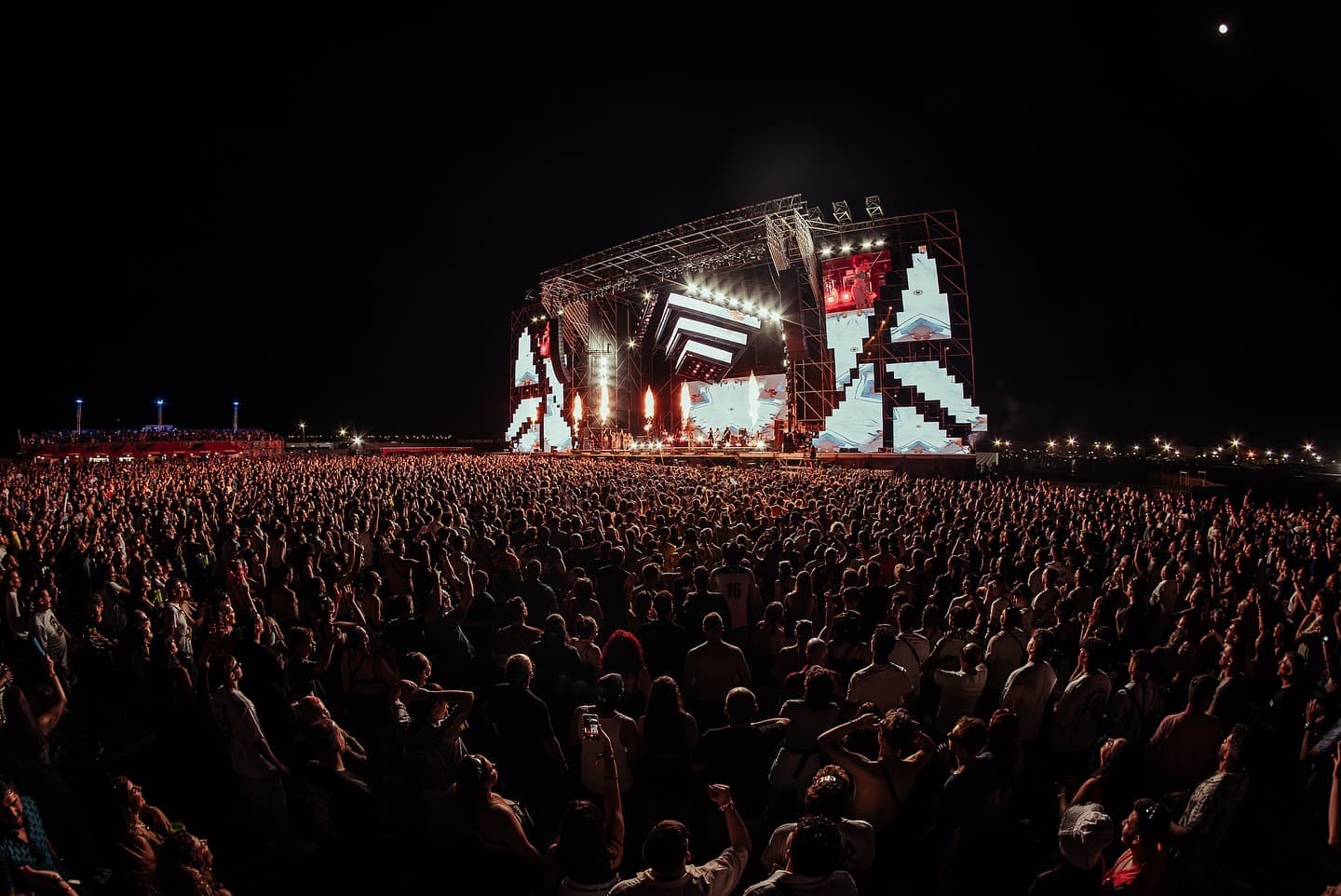
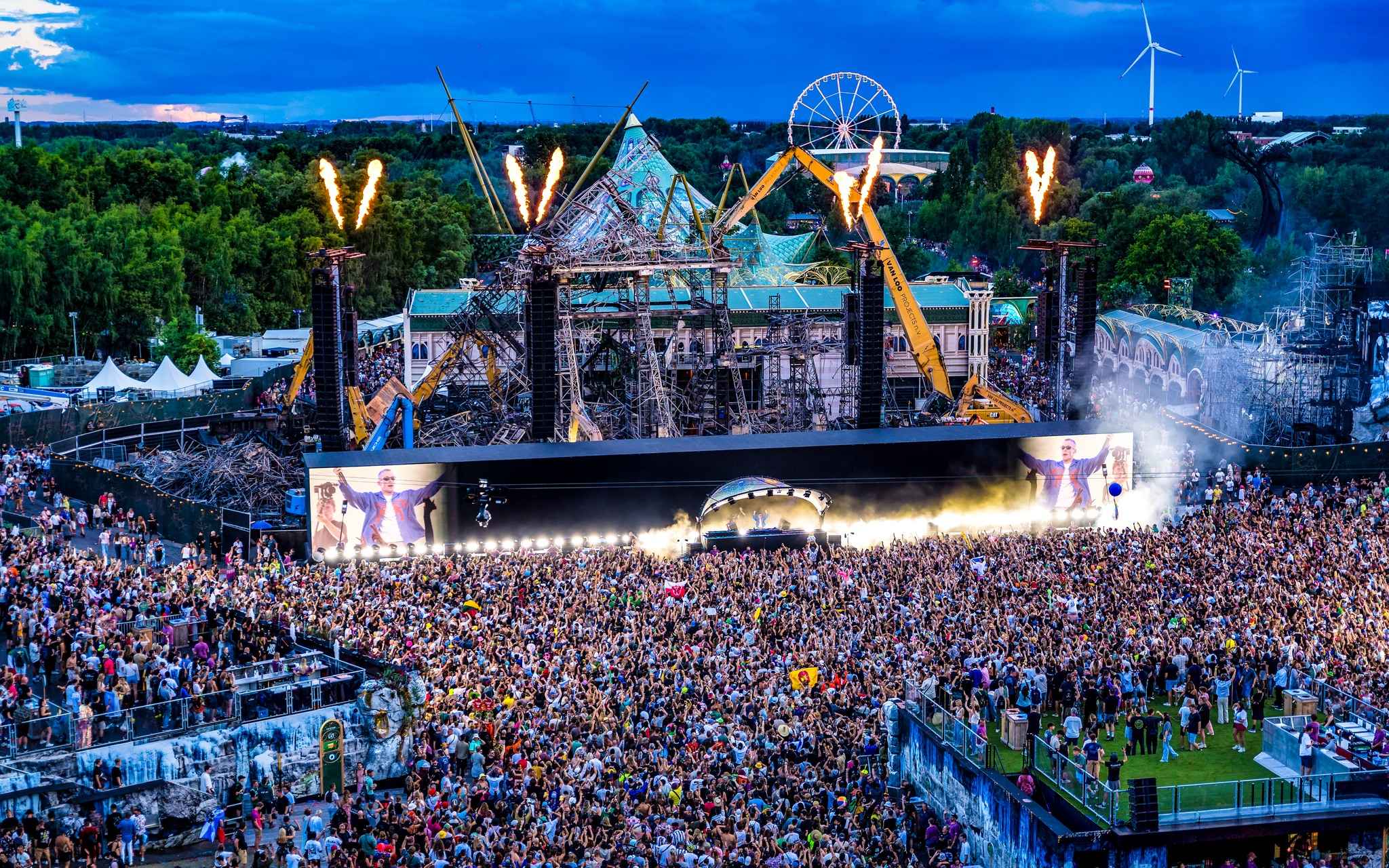
Today, Monday, July 27, 2026, the dust finally settles on the grounds of Boom, Belgium, after the close of the second weekend of Tomorrowland. However, the echo resonating in the forums and platforms of the electronic community is not that of 130 BPM kicks, but that of a collective murmur laden with disenchantment. As regular observers of the evolution of our scene, it is fascinating, and at the same time melancholic, to witness how what was once the undisputed pinnacle of the festival utopia finds itself today at the epicenter of an intense debate about its identity, its audience, and its value proposition.
The absence of the traditional and apotheosic fireworks, motivated by more than justified environmental restrictions in the face of severe droughts, seems to have been the spark that lit the fuse of dissatisfaction. But, if we scratch beneath the surface of the glitter and the absent pyrotechnics, we discover that the wound is much deeper. The current conversation does not revolve around a trimmed-down visual spectacle, but around the very essence of the shared experience on the dance floor.
The artistic balance: Evolution or disconnection?
On one hand, we find the fervent defenders of the current iteration of the festival. And they do not lack valid arguments. The production of Tomorrowland remains a prodigy of entertainment engineering, a titanic display that hardly finds a rival on the globe. Those who advocate for this vision celebrate, rightly, the organization's responsibility in prioritizing environmental safety over aesthetic whim. Furthermore, they defend the performances of headliners like Calvin Harris, whose more measured and atmospheric sets have been branded by many as lethargic. For this faction, moving away from the constant bombardment of high-intensity energy represents a mature artistic proposal, a necessary respite that invites a more introspective and emotional listening experience.
Personally, I have always advocated for the diversity of sonic narratives on the main stage. Electronic music should not be a monologue of shrill buildups and dizzying drops; the sonic journey requires valleys to truly appreciate the peaks. However, the execution of this premise demands an impeccable reading of the dance floor, a musical empathy that some of the most shining names on the lineup seem to have replaced with predictable formulas that border on apathy and total disconnection from the audience.
The symptom of the Freedom Stage and the erosion of civility
It is here that the community's criticism carries an inescapable weight. We are facing an alarming loss of the festival's mystique, driven by a palpable behavioral shift in the attending public. Reports of haughty behavior, a lack of empathy in crowds, and a disconnection from the foundational values of mutual respect are constant. The case of the Freedom Stage is paradigmatic: an exquisitely designed indoor tent that, according to multiple testimonies from this last weekend, turned into an unbreathable space due to massive smoking, ignoring basic regulations and trampling on the well-being of the collective.
When the attendee must shell out extremely high prices for a ticket and the venue's services, the implicit social contract demands not only technical excellence, but an environment of communion and camaraderie. The dance floor was born in underground clubs as a refuge of respect, a sanctuary where music was the only dogma. Seeing those foundations crumble under the weight of a festival tourism that prioritizes ephemeral photography over real human connection is deeply disheartening for those of us who love and defend this culture.
The mirage of exclusivity and the future of the scene
It is not about falling into the nostalgic elitism of claiming that any past time was better. The electronic scene has grown, has professionalized, and has reached unimaginable heights of popularity, which is a cause for celebration. But this exponential growth brings with it the serious risk of the dilution of its principles. When an event of the historical magnitude of Tomorrowland begins to generate this level of polarization and discontent, we are not facing a simple tantrum from purists; we are witnessing a turning point. The community demands that its emotional investment translate into an experience that respects the legacy of clubbing.
The close of this 2026 edition leaves us with a vital reflection. The survival of the soul of these macro-events will not depend on how many lasers cross the Belgian night sky, nor on the colossal height of their stages. It will depend on their ability to re-educate their audience, to foster a space where civility is once again the norm and where artists feel the demand to deliver their passion, not just fulfill a formality. If the big festivals wish to maintain their status as electronic meccas, they will have to look back, toward the intimate darkness of the club, and remember why we started dancing together in the first place.
https://technobeatscloud.com/escena/festivales/tomorrowlandtomorrowlandVisit link