
Venue
Las Dalias
Sant Carles de Peralta, Balearic Islands, Spain
Biography of Las Dalias
On November 4, 1954, the feast day of San Carlos, farmer and carpenter Joan Marí Juan and Francisca Juan opened a roadside bar with a dance floor at the gates of Sant Carles de Peralta. In a still-rural Ibiza, the kilometer 12 crossroads became the place where farmers, travelers, beatniks, and hippies shared a table, music, and an idea of freedom that mass tourism had not yet turned into an industry.
The garden where the north became a scene
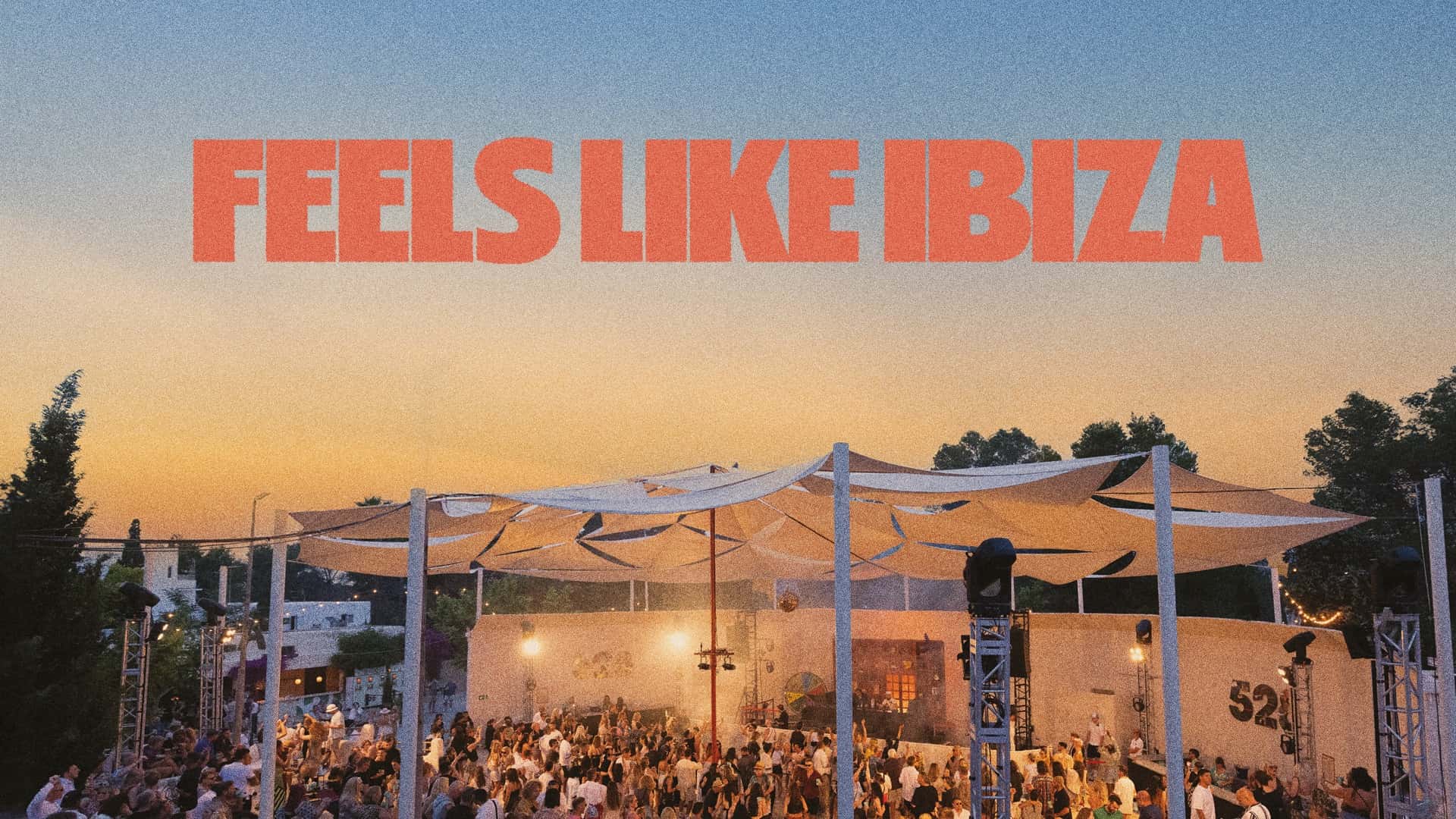
Las Dalias was not born as a nightclub: it was born as a village bar, and that roadside hospitality continues to define the venue. In the sixties and seventies, the establishment brought together the Ibizan community and those who arrived in the north of the island in search of a fringe. On February 14, 1985, Juan Fernando Marí—Juanito, son of the founder—and British gallery owner Helga Watson-Todd set up five stalls in the garden. That trial, following an attempt at an exhibition hall, germinated into the hippy market that today occupies the interior and gardens, with the Saturday one as a Weekly appointment and the summer Night Market as a more relaxed, nocturnal version with over a hundred stalls.
Live acts under the vines and the Namasté ritual
The garden never stopped being a stage. It has hosted cycles of rock, reggae, pop, world music, and organic electronic music. Namasté, born in the late nineties, consolidated a hospitable and ceremonial line—ethnic, organic, community-focused—in contrast to the circuit of mega-clubs in the south. Local chronicles recall nights with Manu Chao, Macaco, Chambao, or Ki-Mani Marley, and the venue continues to schedule live acts between the market, the terrace, and the dance floor. In summer, residencies like Nido or Peace N' Music articulate several stages: the Night Market, the garden, and the indoor club, from sunset to sunrise.
Akasha, the boutique room that electrified the venue
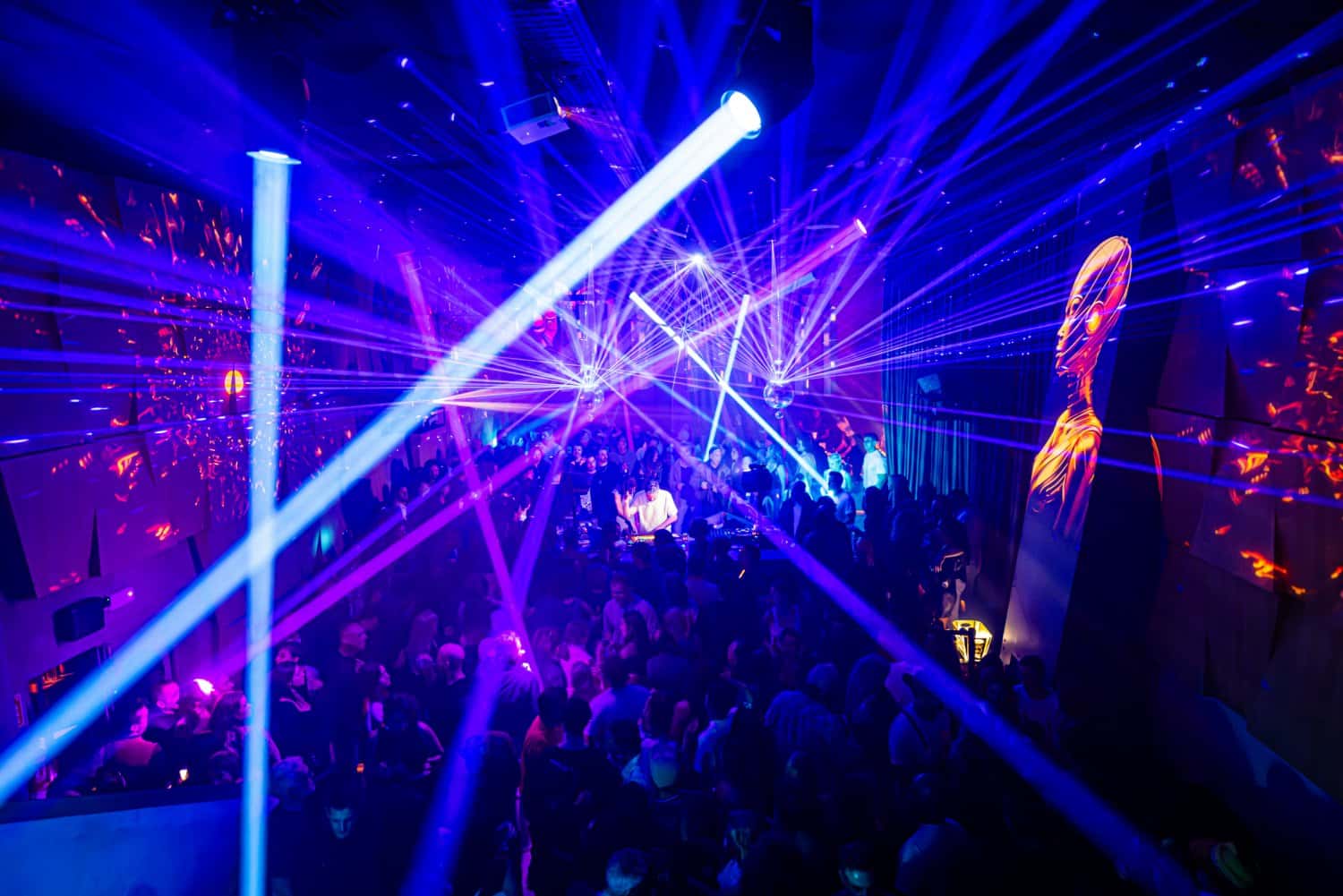
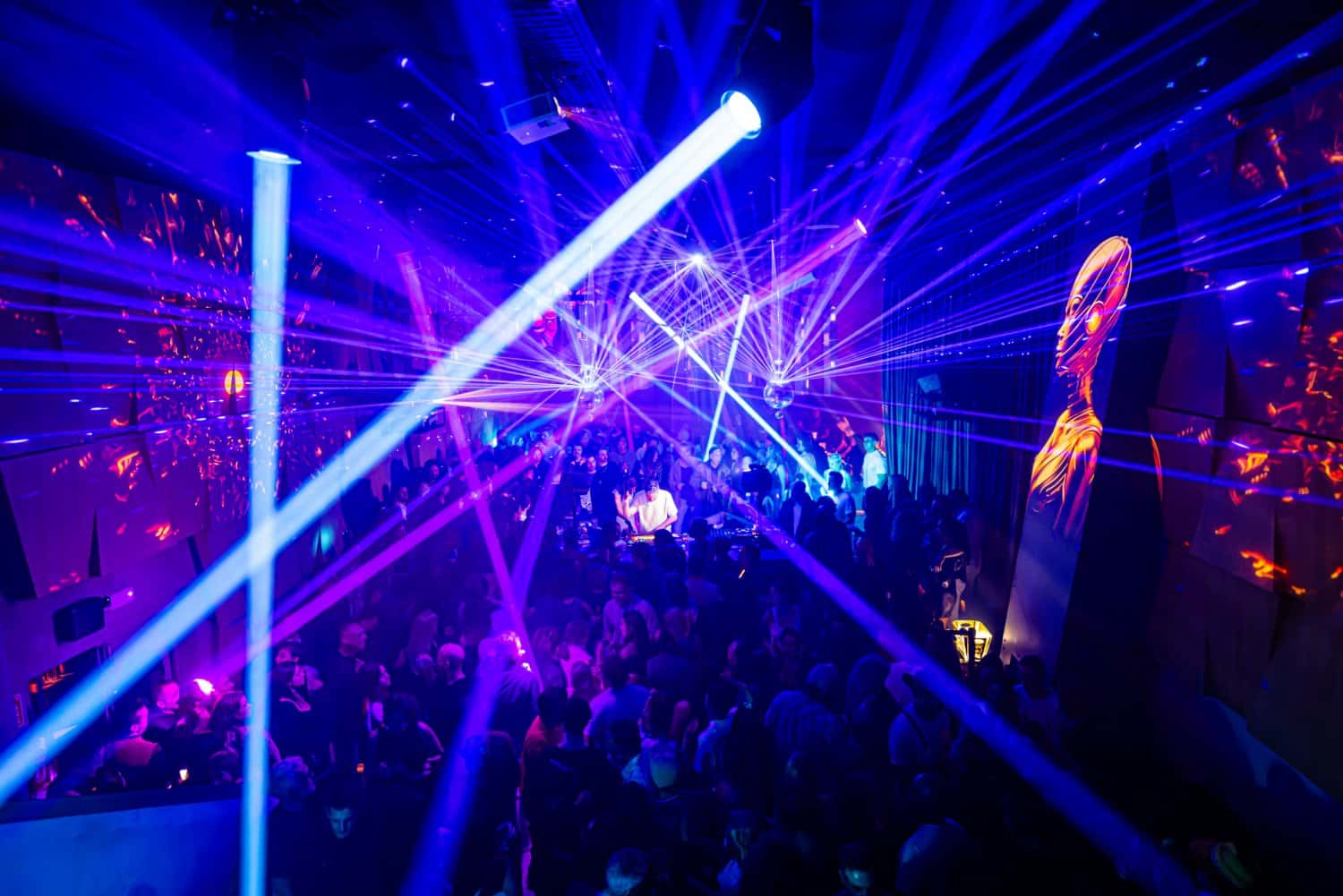
In the autumn of 2021, Las Dalias opened Akasha, an intimate indoor club—about three hundred people—designed as a listening room rather than a mega-club. The DJ booth is in the center of the dance floor; the sound is signed by The Sound Ibiza (TSI), with custom-made speakers and subwoofers, clear and distortion-free. The programming—organic house, progressive, melodic electronica, and residencies by selectors like Sven Väth, Hernán Cattáneo, John Digweed, or Igor Marijuan—usually starts outdoors and continues inside. It is one of the few Ibizan dance floors that maintains its pulse in winter as well, with a more local audience less dependent on the south of the island.
Seven decades in the same family
It remains a family home, with a restaurant, PaloSanto terrace, official parking, and a cloakroom between the garden and the club. The Santa Eulalia City Council recognized it as a site of municipal tourist interest, and the Balearic Government awarded it the 2016 Tourism Prize. The north of Ibiza has its longest-running music venue here: fewer neon signs than in Playa d'en Bossa, more continuity between craftsmanship, live music, and clubbing.