
Venue
Sala Aftasí
Badajoz, Spain
Biography of Sala Aftasí
The venue hidden among the alleyways
In the Casco Antiguo of Badajoz, Calle Alonso Céspedes is reached through winding paths that almost no one had explored for years. There, a few meters from the Plaza de la Soledad and the Conservatory, Sala Aftasí established itself as the most secluded corner of the Badajoz nightlife: a concert, theater, and café box tucked into the intramural labyrinth.
From Espacio Aftasí to café concert
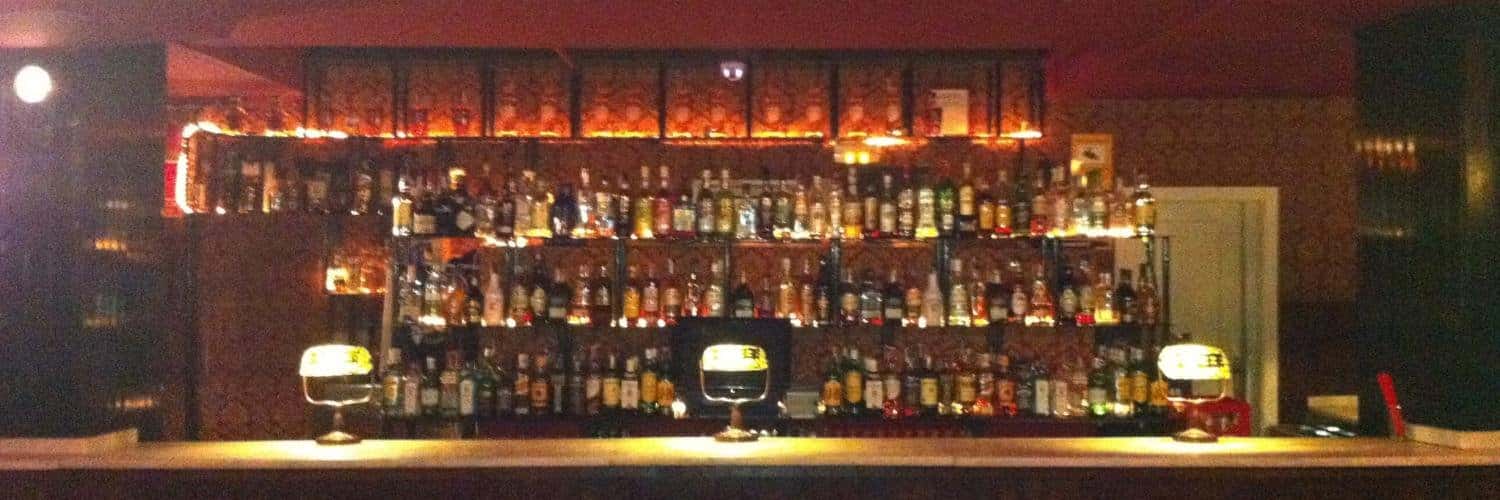
The venue was born in the early 2000s as an alternative theater under the name Espacio Aftasí. The first stage began in 2001. Starting in 2005, with Marci and Vicente at the helm, it took over from Tragaluz and established itself as a café concert: a café-gallery open to photography, painting, sculpture, or video exhibitions, and a stage hall for live music, dance, and comedy.
Acoustics, indie, and comedy nights
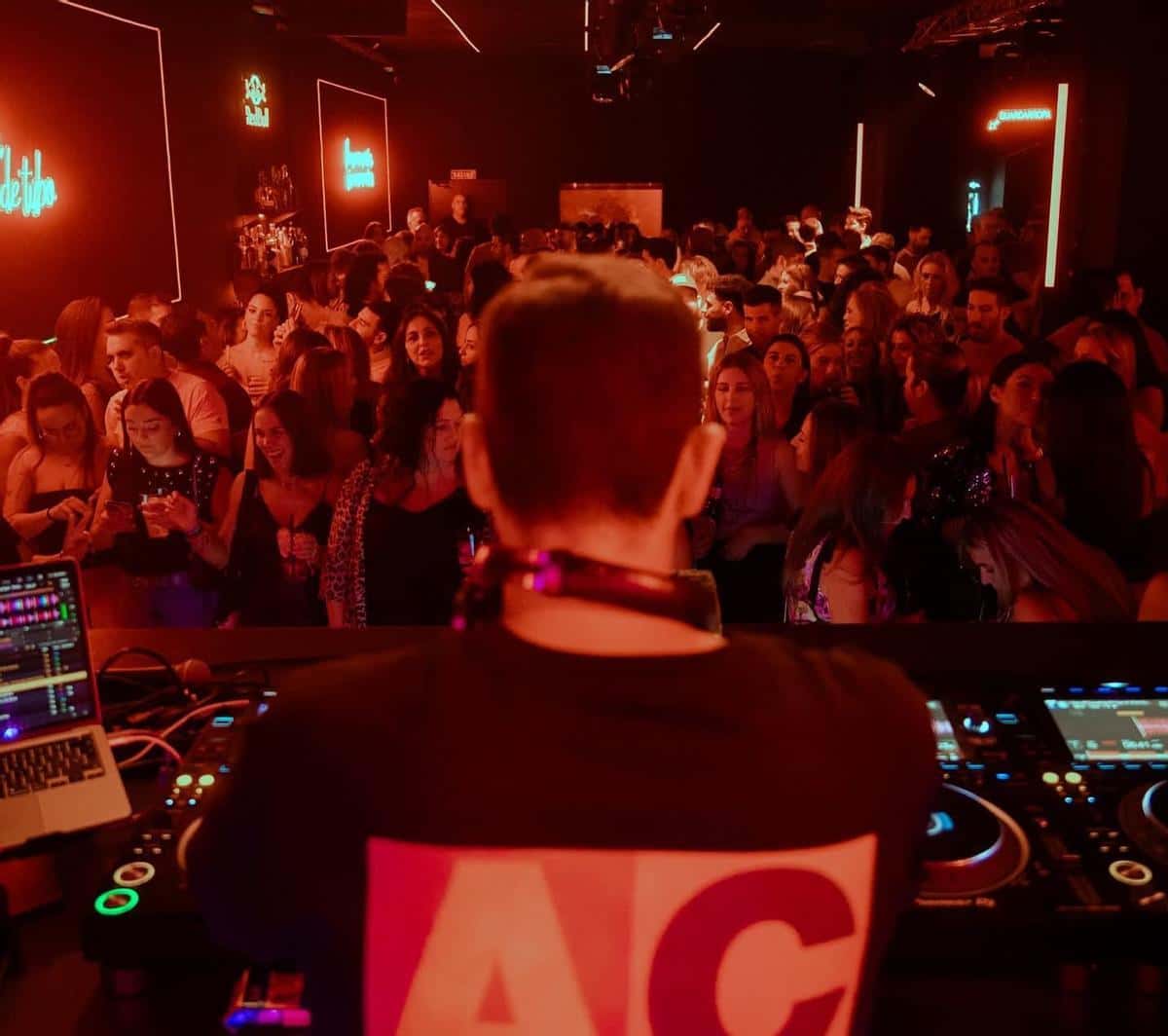
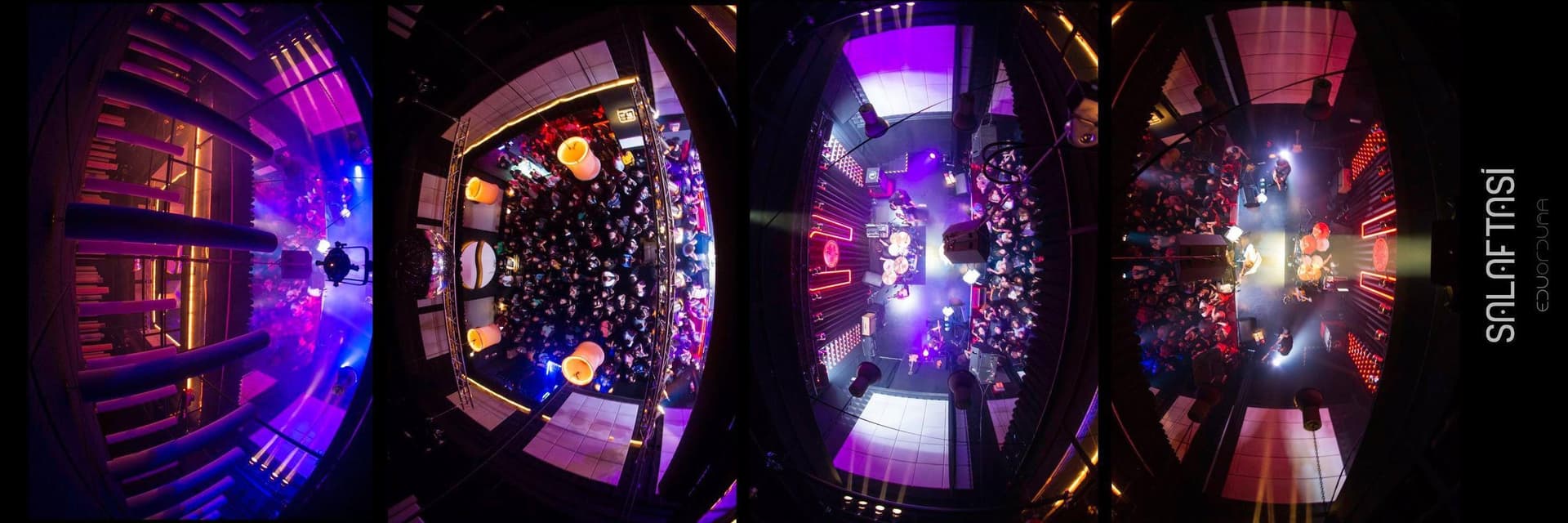
In 2008, it reopened after renovation work: it improved its acoustics, received decorative touches, and debuted a new lighting system. The indie circuit and national pop-rock found a regular stage in that box. Artists such as Los Coronas, Second, Miss Caffeina, Sex Museum, León Benavente, DePedro, Sidonie, La Habitación Roja, Elefantes, Sínkope, Rayden, or Tote King passed through Alonso Céspedes. At the same time, the Noches de Humor series brought stand-up comedy, and resident DJs—Dr. Barmacéutiko, Tokio Dj, Nancy Power, Paul & Newman—and guests like Señor Lobezno played on the dance floor. In 2014, El País described it as having good acoustics and two environments to extend the night after the concerts.
When the pub went dark and the stage remained
In 2009, Vicente denied a total closure but confirmed the end of hospitality and nightclub activity: the venue would continue for concerts, theater, stand-up comedy, or occasional events. The capacity of the concert hall is estimated at 250 people. The café-gallery and the dance floor coexisted in the same venue, with dark walls and a crowd that would head toward Plaza Alta at dawn.
The gap in the private circuit
The documented live agenda reaches at least until 2018. In 2021, upon the opening of Off Cultura, the local press spoke of filling the gap left by the COC, Sala Aftasí, or El Mercantil. There is no recent regular public programming: the venue remains a historical reference for live music in the center of Badajoz.