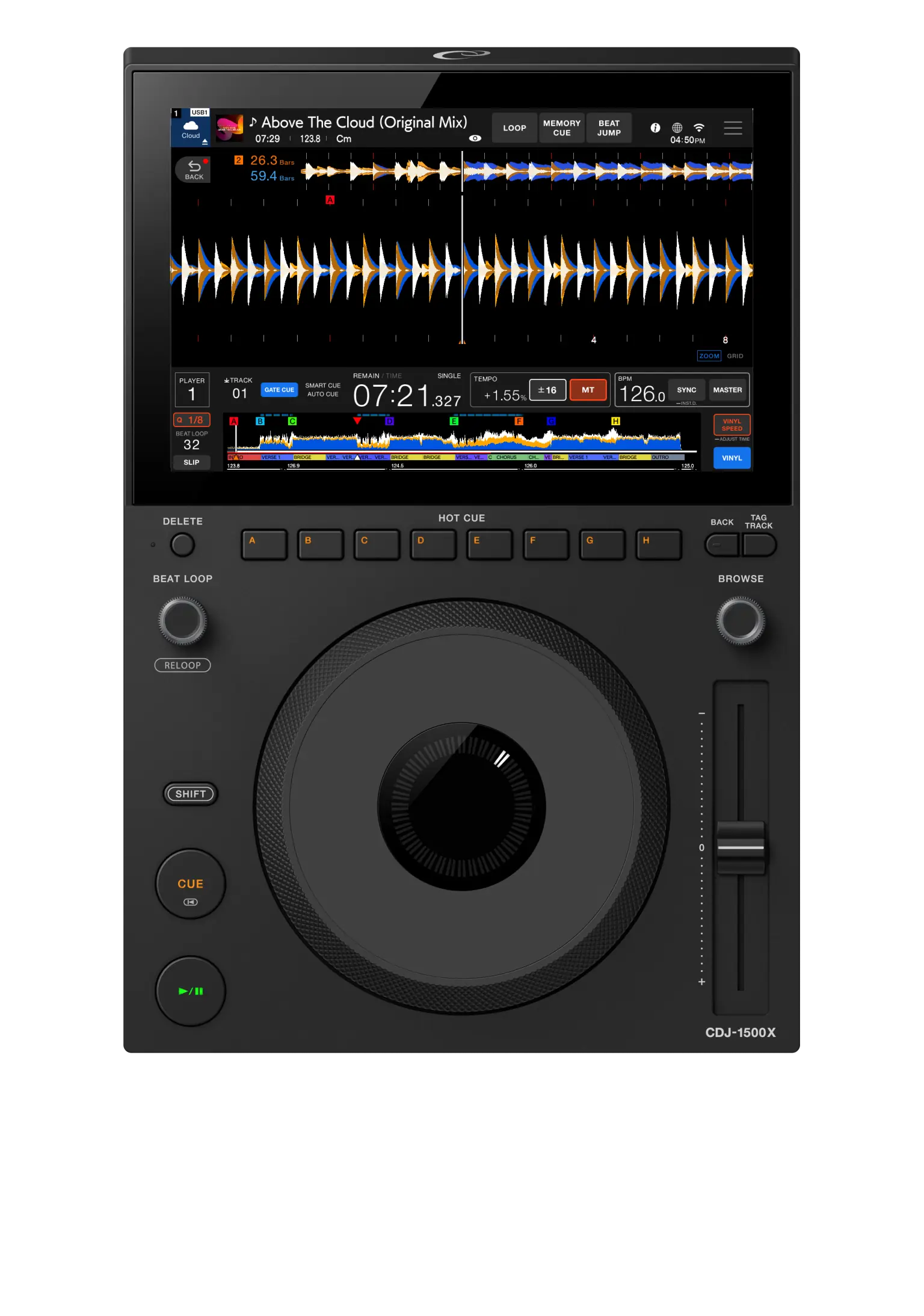
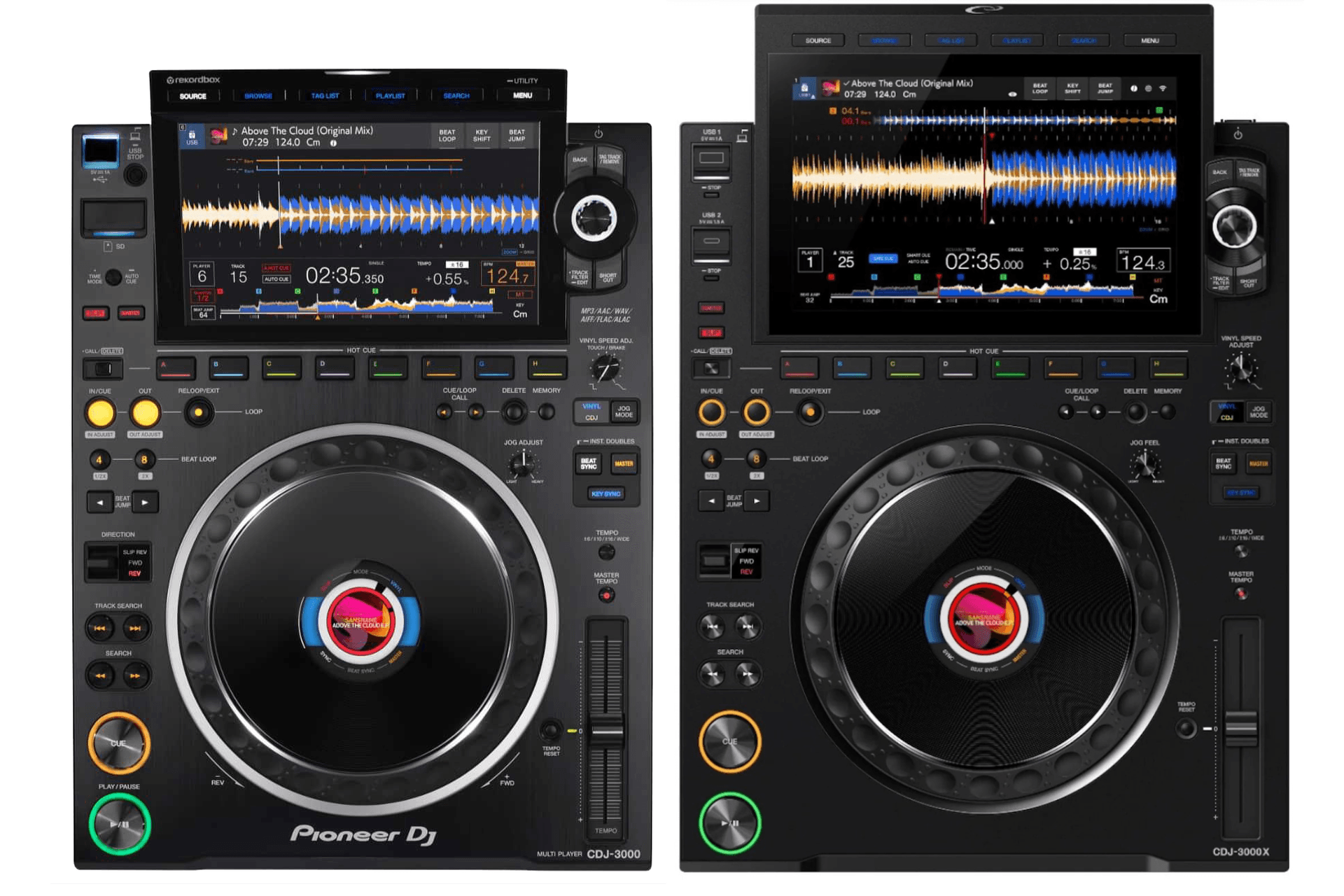

The electronic music industry has always been built upon unshakeable technological standards. For more than two decades, DJ booths around the world have been governed by an undisputed hegemony regarding multimedia players. However, a recent debate that emerged in specialized forums has sounded the alarm within the community: the real and tangible possibility that the market could be flooded with replicas of high-end hardware, specifically the revered CDJ-3000.
Everything began in mid-September 2026, when an extensive thread on the Reddit platform, specifically in the r/PioneerDJ community, lit the fuse. A user detailed how they had fallen into a deep spiral of reverse engineering related to professional deejaying systems. The discussion, which was quickly picked up by veteran DJ and founder of Digital DJ Tips, Phil Morse, raises a question that until recently seemed taken from science fiction: reverse engineering has advanced enough that alternative manufacturers could clone the club ecosystem at a fraction of its original price. Morse, with a long career that includes performances in the main room of the legendary club Privilege in Ibiza, validated the concern by stating that this scenario is by no means far-fetched.
The boundary between emulated software and club hardware
Recent investigations point to the fact that the unshakeable barrier of software has begun to crumble at an accelerated pace. The center of the debate is located in open-source projects hosted in repositories like GitHub. A paradigmatic example is cdj3k-emu, an independent initiative that has managed to run the original 3.x firmware of the CDJ-3000 series inside virtual machines using ARM architecture processors, specifically on Apple Silicon chips. This means that the most complex functions of the ecosystem, from the fluid rendering of waveforms to BPM time-stretching, tactile library navigation, and even network connection through the hermetic Pro DJ Link protocol, can already be replicated and operated on very low-cost motherboards.
The technical challenge, however, lies in the physical construction and extreme durability. A player designed to withstand the rigors of international tours, accidental spills in DJ booths, and the marathon sessions of club culture demands top-tier components. Expert users in the debate forums point out that, while the digital brain of the device has been decrypted, emulating the tactile precision of a professional 'jog wheel' mechanism with integrated LCD screens, the ultra-low latency of analog-to-digital audio converters, and the overall robustness of the chassis remains a major obstacle. Manufacturing a desktop prototype that works is a computing achievement; building a machine that survives a decade of abuse in nightclubs is a completely different industrial challenge.
The Hi-Fi precedent and the impact on the electronic scene
The critical analysis of this technological juncture forces us to look toward parallel industries to understand the possible course of events. As specialized reports point out, the high-fidelity (Hi-Fi) market already experienced a similar metamorphosis in the recent past. When the patents for the most exclusive amplification circuits began to expire, the Asian market did not take long to produce functional equivalents. Far from being mere aesthetic fakes or empty shells, these factories began to flood the market with equipment that operated with performance surprisingly close to the originals, for a tiny fraction of the financial cost.
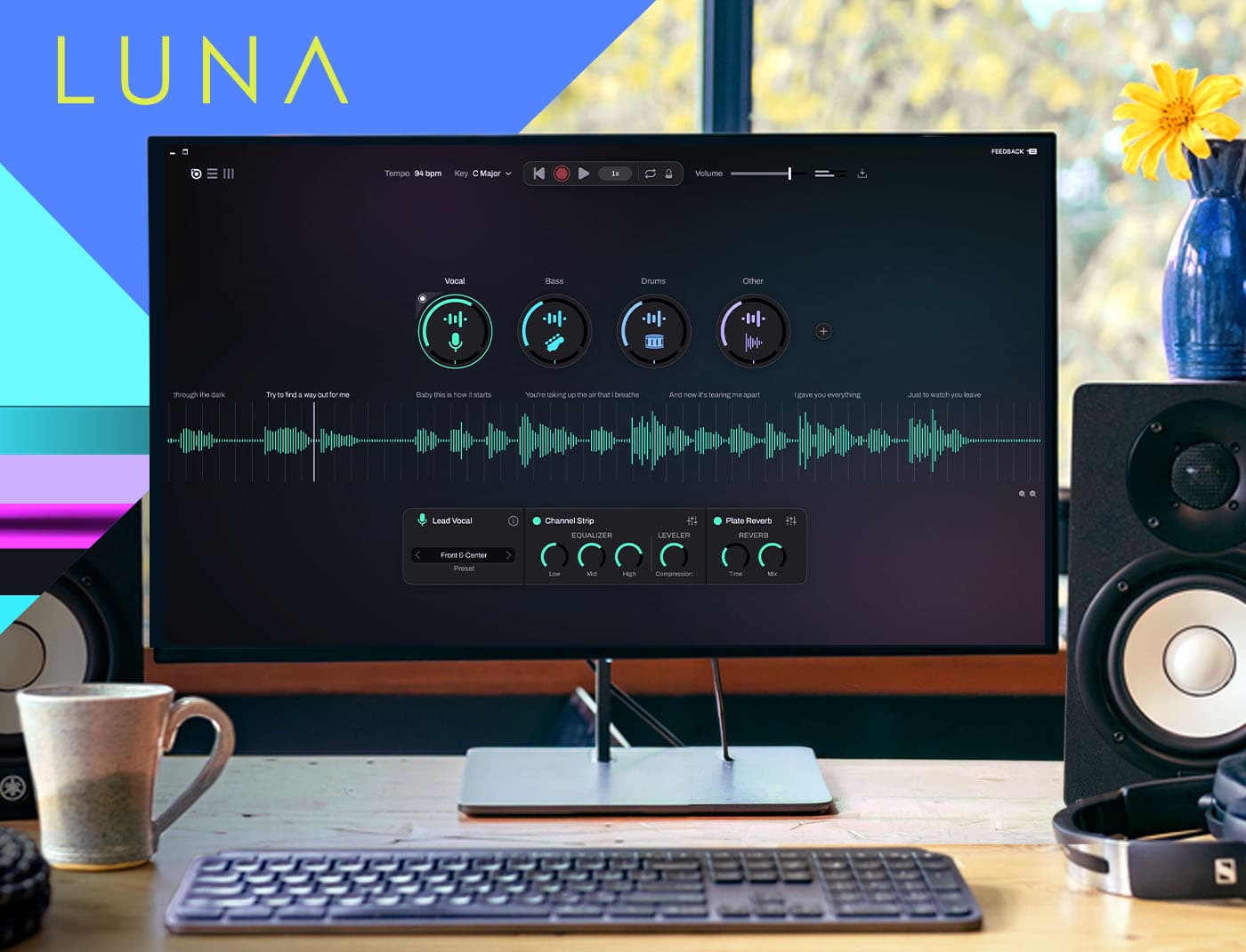
If this phenomenon is successfully transferred to deejaying, the ecosystem could face an unprecedented schism. On one hand, the extreme democratization of access to club-standard technology would allow thousands of emerging artists to practice in their home studios with equipment that reacts exactly the same as what they would find at major festivals. Additionally, there have been reports of users introducing stem separation capabilities into old hardware through unofficial code modifications. On the other hand, the proliferation of these low-cost replicas raises serious questions about reliability in professional environments, intellectual property rights, and the economic viability of traditional manufacturers that invest millions of euros annually in research and development.
A horizon of uncertainty for the monopoly of the DJ booths
In the absence of official confirmation regarding the mass commercialization of these cloned devices on import platforms, the mere existence of the technology needed to create them marks a historic turning point. The global community of producers, promoters, and DJs observes with extreme caution a horizon where the dividing line between genuine equipment and a one-hundred-percent functional replica threatens to blur completely. It remains to be seen whether the titans of the music industry will respond by implementing new and more aggressive hardware encryption barriers, or if, on the contrary, the persistent underground market will end up de facto dictating the new technological paradigm of the DJ booths of tomorrow.