

The collapse of the summer tour: Englefield and Audley End are left without electronic music
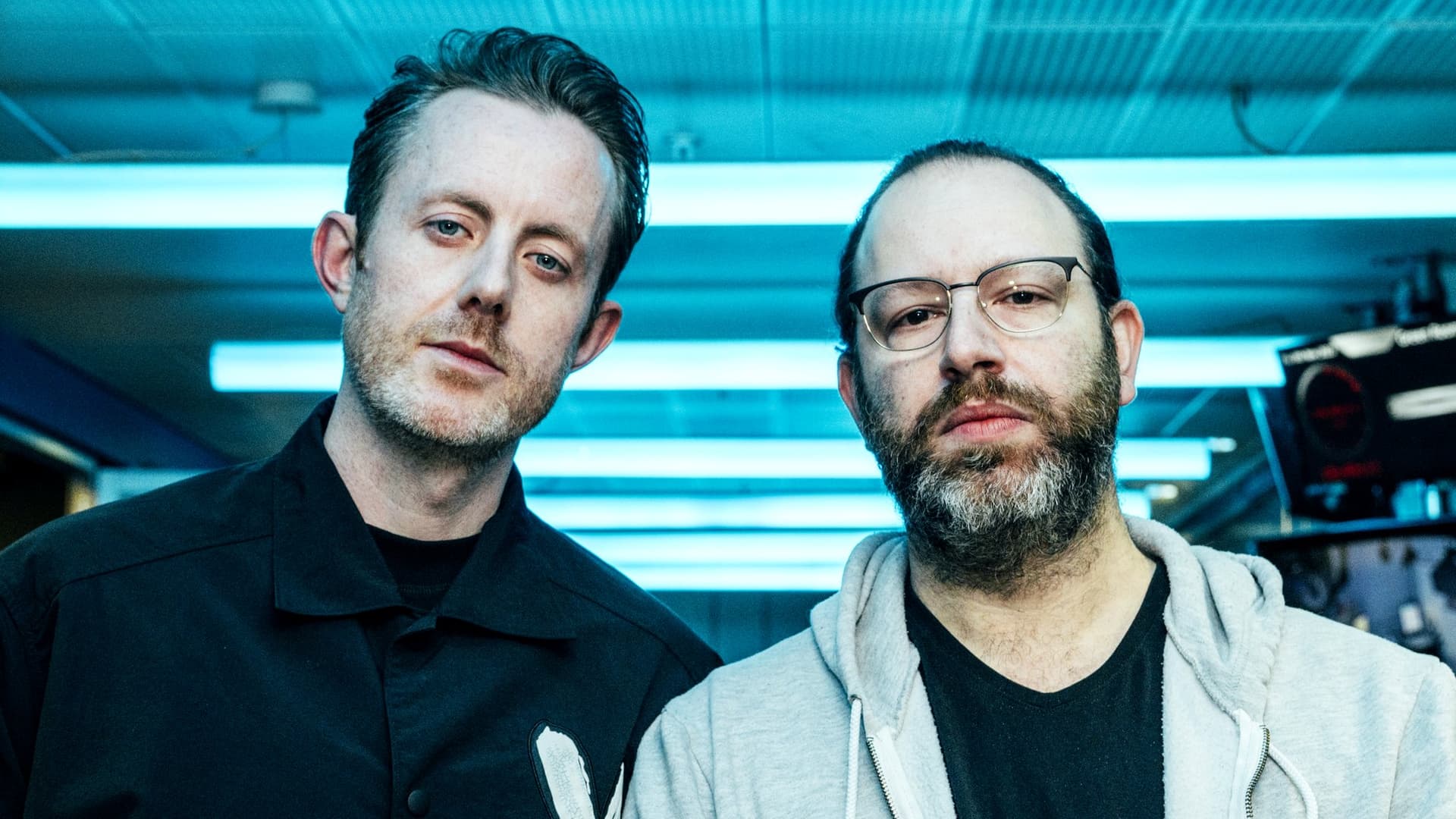
The iconic electronic music group Faithless has officially confirmed the cancellation of their highly anticipated performances scheduled for this summer of 2026 in the United Kingdom. The shows, originally planned for July 23 at the historic Englefield Estate (Berkshire) and August 9 at the grounds of Audley End Estate (Essex), were part of the acclaimed Heritage Live outdoor event series.
The news is a heavy blow for the group's fans, who are immersed in the celebration of their thirtieth anniversary and the promotion of their acclaimed eighth studio album, Champion Sound. Currently led by producers Sister Bliss and Rollo following the sad passing of the legendary frontman Maxi Jazz, the band planned to deploy their signature sound that fuses dance floor euphoria with deeply emotional lyrics. Timeless electronic classics like 'Insomnia' or 'God Is a DJ' were set to resonate in the imposing settings of the English countryside, a spectacle that is now left in limbo.
We are extremely disappointed that our scheduled performances will no longer take place. Despite our commitment to perform, the promoter has cancelled these shows. We know that many of you were looking forward to joining us.
— Official statement from Faithless
X-ray of a bankruptcy: GCE Live and the crisis of the independent sector
The collapse of the Heritage Live series, an event founded by promoter Giles Cooper that for nearly a decade has transformed historic estates into musical epicenters, exposes the deep operational and financial cracks that are suffocating independent promoters in an increasingly monopolized market. Through an extensive official statement, the heads of the promoter GCE Live (Giles Cooper Entertainment) detailed that the trigger for the mass cancellation was the last-minute fall-through of a crucial capital investment package that sought to alleviate the tensions of an extraordinarily difficult year.
According to data provided by the organization itself, survival in the live entertainment industry has become unsustainable for companies operating outside the umbrella of large corporations. The key factors that have motivated this drastic decision include:
- Disproportionate increase in costs for suppliers, technical staff, and artist fees, driven by the purchasing power of multinationals.
- The persistent cost-of-living crisis in the United Kingdom, which has diminished the public's purchasing power.
- Ticket sales drastically lower than the festival's historical average for several of its shows.
- The impossibility of guaranteeing advance payments to production teams, suppliers, and contracted artists.
In addition to Faithless, the shockwave of this cancellation has wiped out the dates of key figures in the music industry who were also on the Heritage Live 2026 lineup. The programming included high-caliber performances oriented toward club culture, such as Pete Tong presenting his Ibiza Classics format, The Streets, and the Ministry of Sound Classical project. Likewise, the financial disaster has dragged down concerts by pop and rock legends such as Eric Clapton, Richard Ashcroft, Christina Aguilera, and Janet Jackson, who had scheduled exclusive dates at the royal estate of Sandringham.
The complex labyrinth of refunds and the viability of outdoor clubbing
With the festival structure completely crumbled, the industry's focus is now on the complex logistics of capital returns to attendees. Tickets for Heritage Live events were sold entirely through third-party ticketing agencies, such as Ticketmaster, AXS, See Tickets, Skiddle, Gigantic, and Ticketline.
The situation has generated notable friction in the distribution chain. Platforms like See Tickets have issued official communications indicating that they do not have the authority or the funds from sales to process refunds, as the capital was to be managed directly by the promoter. Faced with this institutional blockage, users are being urged to turn to the STAR (Society of Ticket Agents and Retailers) to mediate in dispute processes, or to claim directly through their banking entities by appealing to current consumer protection regulations.
This event is not an isolated case, but an alarming symptom of the fragility of the British festival ecosystem. The sudden disappearance of events of the magnitude of Heritage Live raises serious doubts about the economic viability of programming electronic music and high-level live performances outside of circuits controlled by entertainment giants. The fall of GCE Live evidences the urgent need to review financing and support models for the independent cultural sector to prevent the scene from losing vital spaces for musical expression.
![Penultimate Paradise of the season at [UNVRS] Ibiza](/_next/image?url=https%3A%2F%2Fhfzgjraizxxoxxaupwkq.supabase.co%2Fstorage%2Fv1%2Fobject%2Fpublic%2Fmagazine%2Fposts%2Fe8525e09-5f75-4353-8015-3cc3aaf65709%2F0n0pu7w.jpg&w=1920&q=75)