
London leads the demand for nightlife in the United Kingdom
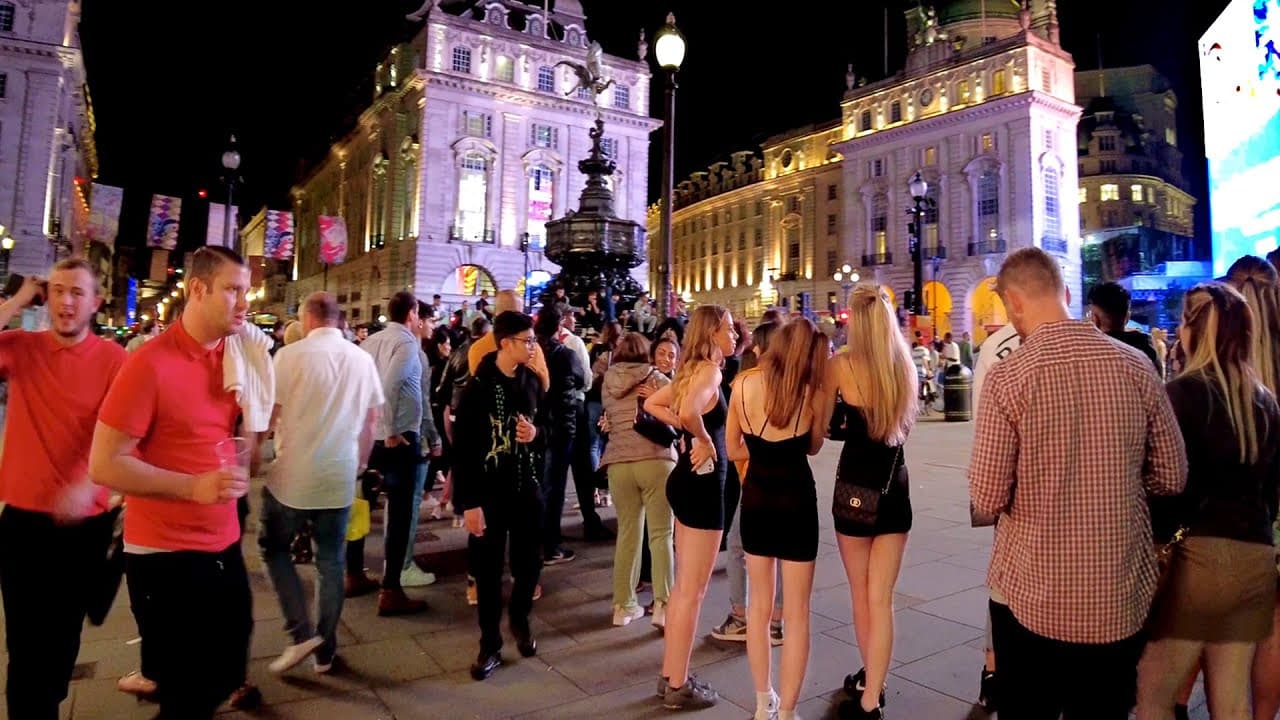
A recent quantitative study has revealed the ten cities in the United Kingdom where nightlife and clubbing generate the greatest interest per capita. The research, carried out this June 2026 by the firm Megaflatables, analyzed the volume of online searches to determine the real demand from users. The results place London in the top position, consolidating the British capital as the undisputed epicenter of nightlife activity, with a figure exceeding 29,000 searches per 100,000 inhabitants related to clubs, bars, live music venues, and other leisure spaces.
Methodology and geographic breakdown of British clubbing
To structure this ranking, analysts collected search volume data across 50 cities in the United Kingdom, using 44 specific keywords linked to nightlife, social events, and club culture. This metric allows for an accurate snapshot of citizens' organic interest in nightlife following a period of restructuring in the British entertainment industry.
Following closely behind the capital, Oxford occupies the second place on the list. The university city records more than 27,000 searches per 100,000 residents, with a particular inclination toward club nights, wine bars, and pubs. The top five is completed by Bristol, Manchester, and Edinburgh, three urban hubs historically linked to the evolution of electronic music and the festival ecosystem. These three cities exceed 22,000 searches per 100,000 inhabitants, highlighting a predominant interest in terms such as raves, festivals, clubbing, and outdoor spaces.
Bristol, for example, maintains its status as the cradle of sound system culture and bass music, which justifies its high position in the ranking for rave and festival demand. For its part, Manchester continues to capitalize on its historical legacy, from the days of acid house to its current infrastructure of mega-clubs and large-format events. Edinburgh also demonstrates notable traction, driven by a constantly renewing underground scene and a solid offering of festivals throughout the year. Beyond the top five, the study identifies Reading, Brighton, Newcastle upon Tyne, Gloucester, and Glasgow as the next major hubs of interest. Brighton and Newcastle, in particular, possess a consolidated reputation in the nightlife circuit, attracting both residents and tourists in search of cutting-edge electronic programming.
- London
- Oxford
- Bristol
- Manchester
- Edinburgh
- Reading
- Brighton
- Newcastle upon Tyne
- Gloucester
- Glasgow
Official statements on the state of the scene
User behavior reflects a sustained demand for in-person entertainment, a highly relevant piece of data for promoters, record labels, and venue operators looking to understand current consumption patterns in the electronic scene.
London's position as the leading city in party-related searches per capita is not surprising, given its diverse range of nightlife options. The data highlights changes in how and where people choose to celebrate.
— John Spence, Managing Director of Megaflatables
Statements from the research team underscore that these metrics offer a unique opportunity for brands and industry players to connect with energetic and enthusiastic demographic groups across the entire geography of the country. The statistical analysis shows that interest is not limited to a single format, but encompasses everything from traditional pub culture to specialized clubbing events.
The impact of decentralization on the dance industry
The figures extracted from the research not only reaffirm London's power to attract, but also evidence strong traction in cities with a marked student and cultural heritage. The presence of locations like Bristol and Manchester in the top spots demonstrates that the demand for rhythms, high BPMs, and dance floor culture remains a fundamental pillar outside the British capital.
In a context where nightlife spaces in the United Kingdom have faced operational challenges, regulatory pressures, and significant economic fluctuations over the last few years, the high volume of organic searches documented in this 2026 study projects a scenario of resilience. The vitality of the demand suggests that, despite the closure of some iconic venues in the country, the public's interest in live music, analog synthesis, high-fidelity sound systems, and the immersive experience of clubbing remains unshakable. This sustained appetite for club culture forces promoters to diversify their offerings, betting on precisely curated line-ups and audiovisual experiences that meet the high expectations of an increasingly informed public. The map of British nightlife in 2026 confirms that the dance floor remains an indispensable space for social cohesion.
![Penultimate Paradise of the season at [UNVRS] Ibiza](/_next/image?url=https%3A%2F%2Fhfzgjraizxxoxxaupwkq.supabase.co%2Fstorage%2Fv1%2Fobject%2Fpublic%2Fmagazine%2Fposts%2Fe8525e09-5f75-4353-8015-3cc3aaf65709%2F0n0pu7w.jpg&w=1920&q=75)