
The end of the two-headed model: A necessary restructuring
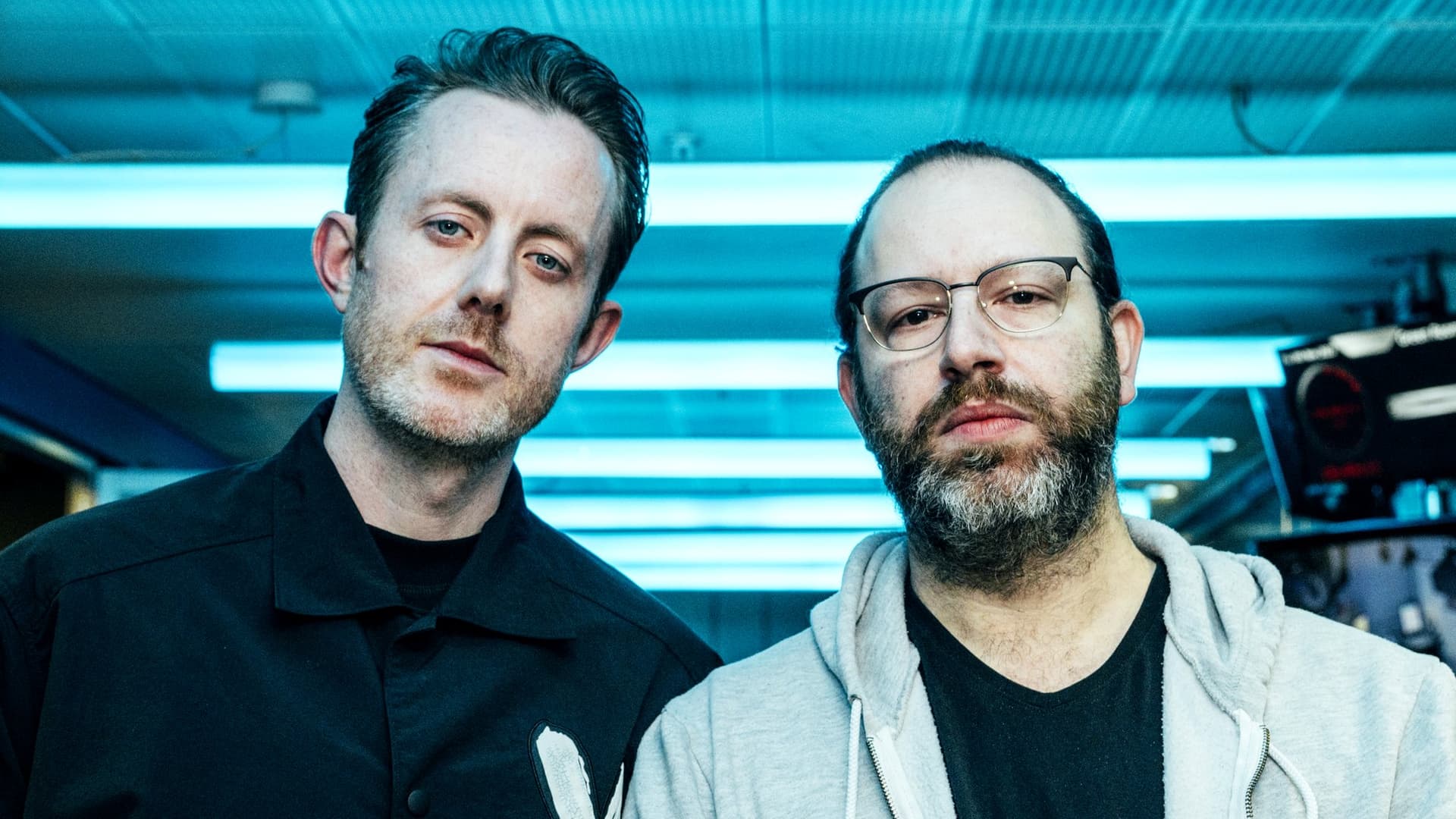
The news has shaken the foundations of the European music industry early this morning. After 32 years of history, Advanced Music has confirmed what had been circulating as a rumor in booking agency offices for months: the Sónar 2026 edition will mark the beginning of a new operational and executive era. The festival is abandoning its historic dual-venue format (Sónar by Day in Montjuïc and Sónar by Night in Gran Via) to centralize all its activity at the Fira Gran Via venue in L'Hospitalet de Llobregat. However, the technical headline hides an emotional and corporate move of greater significance: the definitive departure of its co-founders and artistic directors, Enric Palau and Sergio Caballero, from the active management of the festival.
This move represents the culmination of the acquisition process initiated in 2018 by the investment fund Providence Equity Partners through its entertainment vehicle, Superstruct Entertainment. Although the transition had been maintained in a delicate balance, respecting the creative independence of the founders for nearly a decade, the current macro-festival market demands an optimization of resources that the romantic model of a 'large-scale boutique festival' could no longer sustain. The duplication of production, security, and logistics costs involved in keeping two massive venues active simultaneously had become a financial inefficiency that was difficult to justify to majority shareholders.
We have completed a cycle. Sónar is a living organism that needs to mutate to survive. We leave the project in the hands of a solid structure capable of facing the challenges of the next decade, while we return to pure creation.
— Enric Palau and Sergio Caballero, official statement
Economic analysis: Centralization at Fira Gran Via
From a strictly financial perspective, the unification at Fira Gran Via is a textbook decision. The previous model, which forced thousands of attendees to move from the center of Barcelona (Plaça d'Espanya) to the periphery (L'Hospitalet) daily, generated not only friction in the user experience (UX), but also exorbitant operating costs. By centralizing activity, Sónar can apply economies of scale: a single security team, a single sound and lighting infrastructure permanent for 72 hours, and unified management of licenses and catering. It is estimated that this move could improve the event's EBITDA margin by 15-20% for the 2026 fiscal year.
However, the challenge is immense in terms of identity. Fira Montjuïc provided the urban character, the connection with the city's fabric, and that 'creative conference' atmosphere that distinguished Sónar+D. Moving the daytime component to the immense and cold pavilions of Gran Via will require a massive investment in space design and art direction to avoid turning the festival into a conventional trade fair. The question looming over investors and sponsors is whether the international public will continue to perceive the brand's differential value without the iconic charm of the classic daytime location.

Start playback
The legacy of Caballero and Palau: Risk of standardization?
The departure of Enric Palau (responsible for booking and the musical line) and Sergio Caballero (the brain behind the visual and conceptual identity) raises questions about the festival's future editorial line. Sónar has historically been an anomaly in the circuit: capable of mixing experimental avant-garde, multimedia art, and stadium headliners. With management passing entirely into the hands of Superstruct executives, there is a well-founded fear of a homogenization of the lineup, aligning it more with other assets of the group (such as Sziget or the umbrella of commercial electronic festivals) to optimize 'block booking'.
Impact on the local ecosystem and the 'Off Week'
Finally, the impact on Barcelona's local economy will be notable. The disappearance of Sónar by Day in Montjuïc will drastically reduce the flow of people in the city center during that week, shifting hotel and restaurant consumption toward the L'Hospitalet and Zona Franca area. Furthermore, this could reconfigure the famous 'Off Week'. Without the daytime anchor in the center, it is likely that independent promoters will seek new locations or that the Sónar brand itself will attempt to capitalize on those satellite events within the new macro-venue, trying to capture the spending that currently leaks to third-party parties.
- Single Venue: Fira Gran Via (L'Hospitalet) will host both the day and night programs.
- Dates: The Thursday to Saturday format is maintained in June 2026.
- Management: A new curatorial committee appointed by Advanced Music and Superstruct will be established.
- Sónar+D: It will be fully integrated into the Gran Via pavilions with greater capacity.
![Penultimate Paradise of the season at [UNVRS] Ibiza](/_next/image?url=https%3A%2F%2Fhfzgjraizxxoxxaupwkq.supabase.co%2Fstorage%2Fv1%2Fobject%2Fpublic%2Fmagazine%2Fposts%2Fe8525e09-5f75-4353-8015-3cc3aaf65709%2F0n0pu7w.jpg&w=1920&q=75)