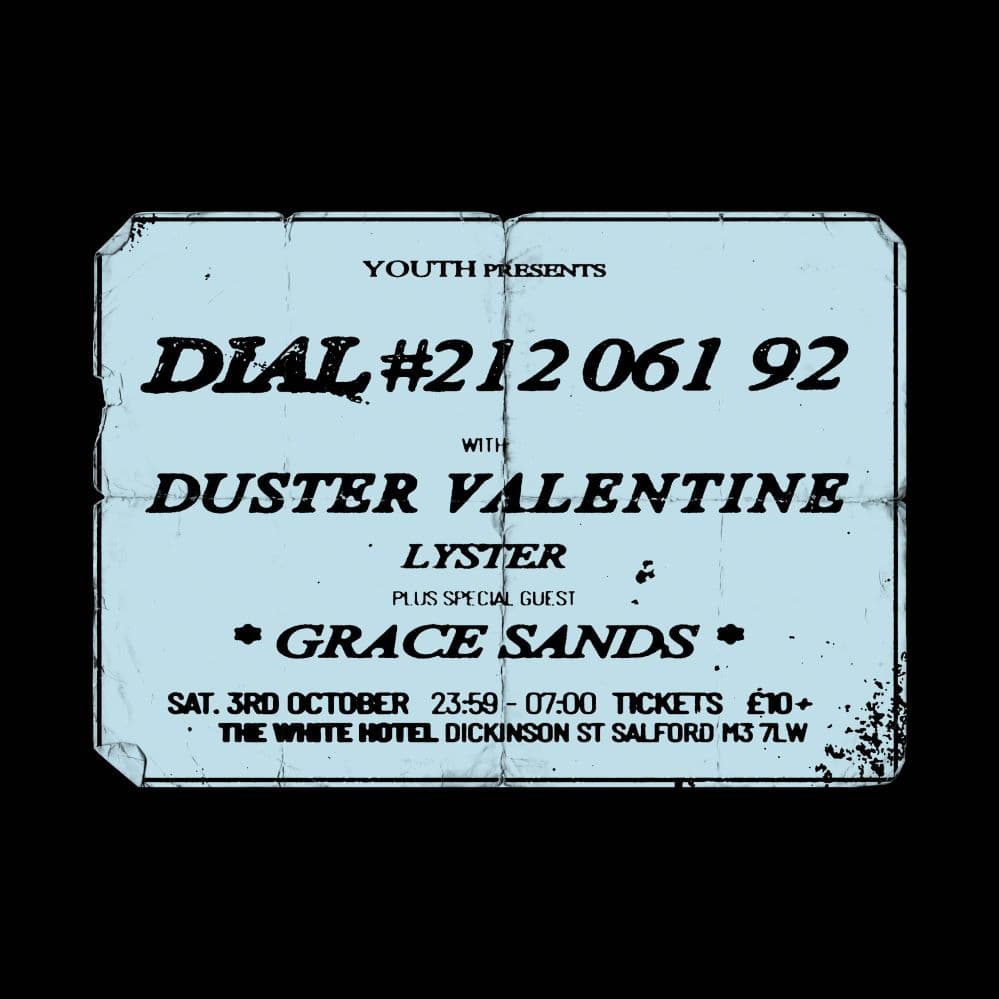
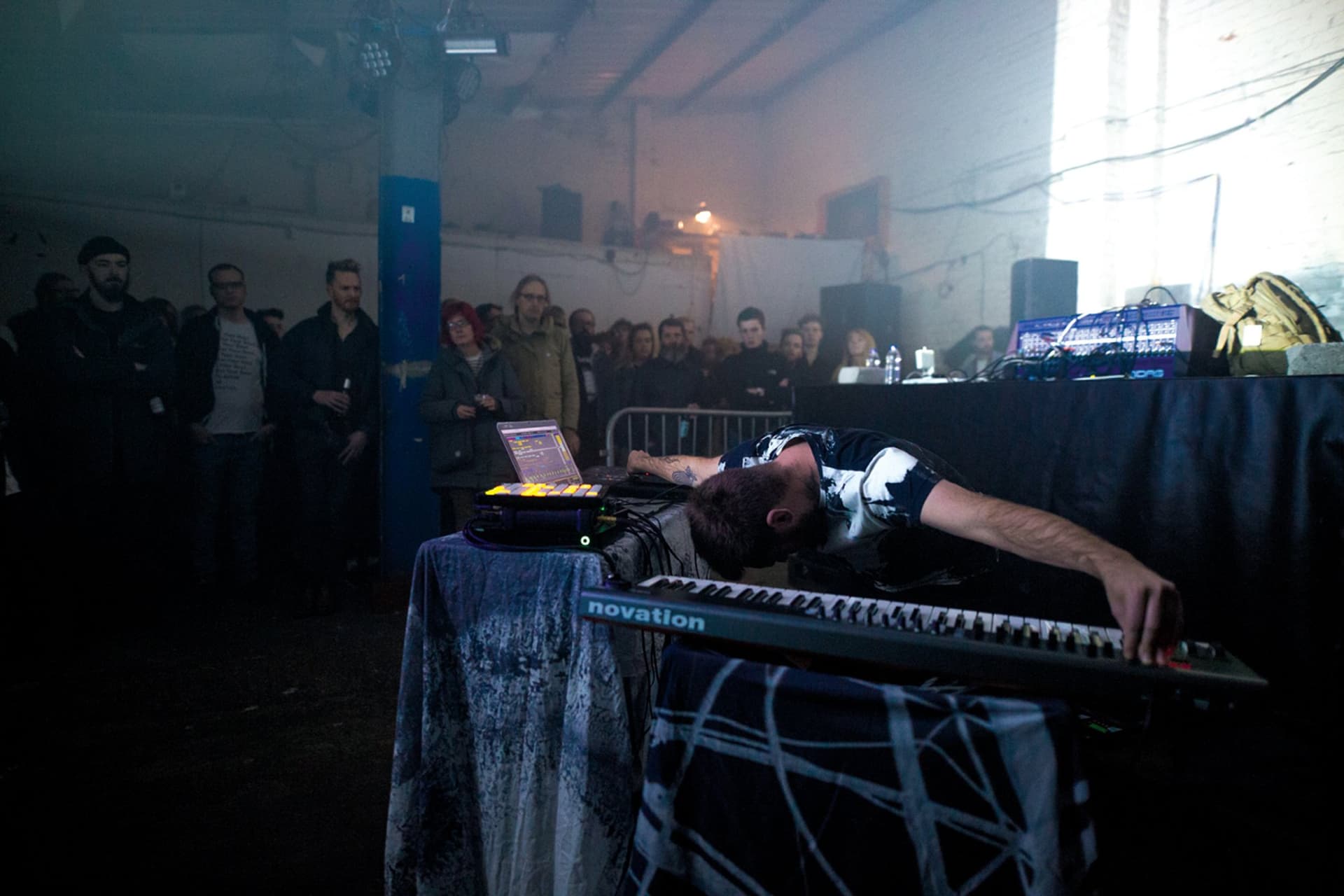

The sunset of an underground bastion in Salford
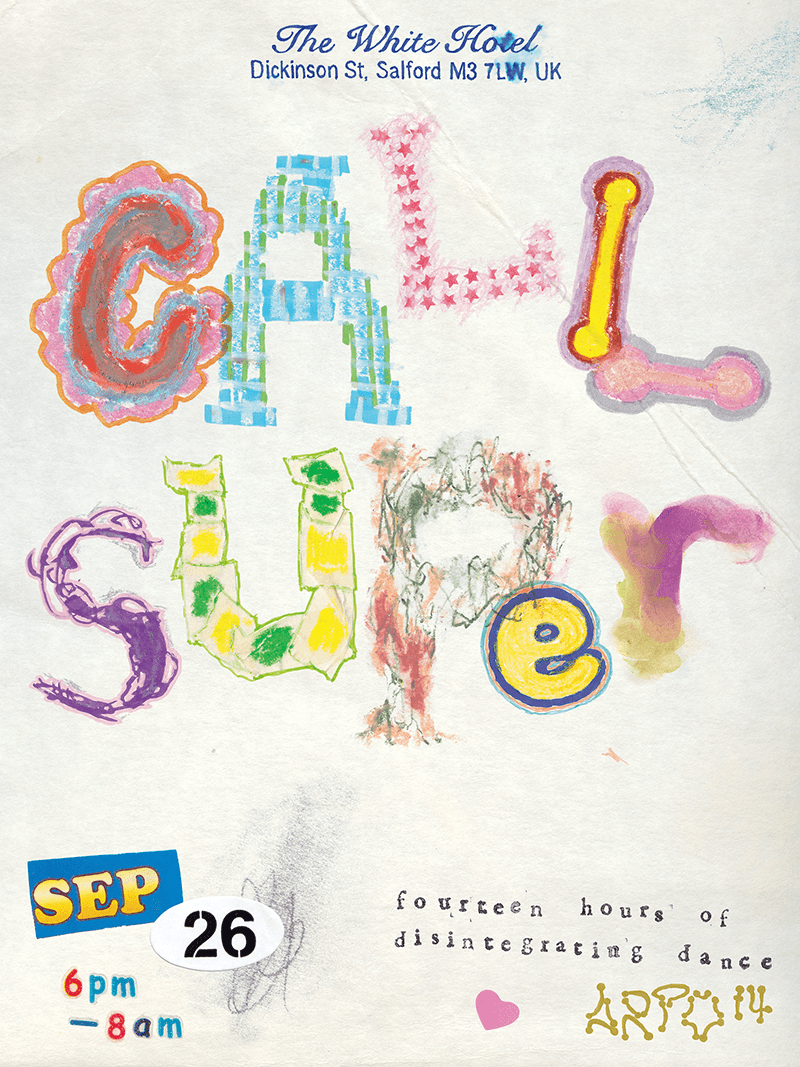
The iconic club The White Hotel, located in the Cambridge industrial estate near Strangeways prison in Manchester, has confirmed its permanent closure for January 2027. Opened on New Year's Eve 2015 inside a former auto repair shop, the venue quickly established itself as one of the most respected epicenters for avant-garde electronic music in the United Kingdom. What was initially conceived as a one-year ephemeral project ended up transforming into a cult cultural institution thanks to its raw atmosphere, strict visual privacy policy, and marathon clubbing sessions.
Redevelopment and flood risk
The decision, officially communicated by its co-founders Austin Collings and Ben Ward, responds to growing urban pressure and insurmountable structural problems in the venue's infrastructure. According to the Salford City Council's Strategic Regeneration Framework, the building is located in a high-risk flood zone. The development plans approved for the area include the construction of 7,000 homes and the creation of Copper Park, a 60-acre wetland park designed specifically to mitigate future flooding, which will occupy the exact land where the club currently sits.
Basically, it's a swamp. It's been a surprise that it has lasted this long, but we have decided to leave on our own terms, long before becoming a museum.
— Ben Ward, co-founder of The White Hotel
Under the operating philosophy of 'minimum budget, maximum ideas,' the 300-capacity venue has been fundamental to alternative culture. Throughout nearly a decade, its booth has hosted historic performances and served as an incubator for sound experimentation, programming everything from noise and industrial techno to avant-garde performances. Among the notable figures who have passed through its facilities are:
- Andrew Weatherall (who played his last set there before passing away)
- DJ Stingray 313
- Jamie xx
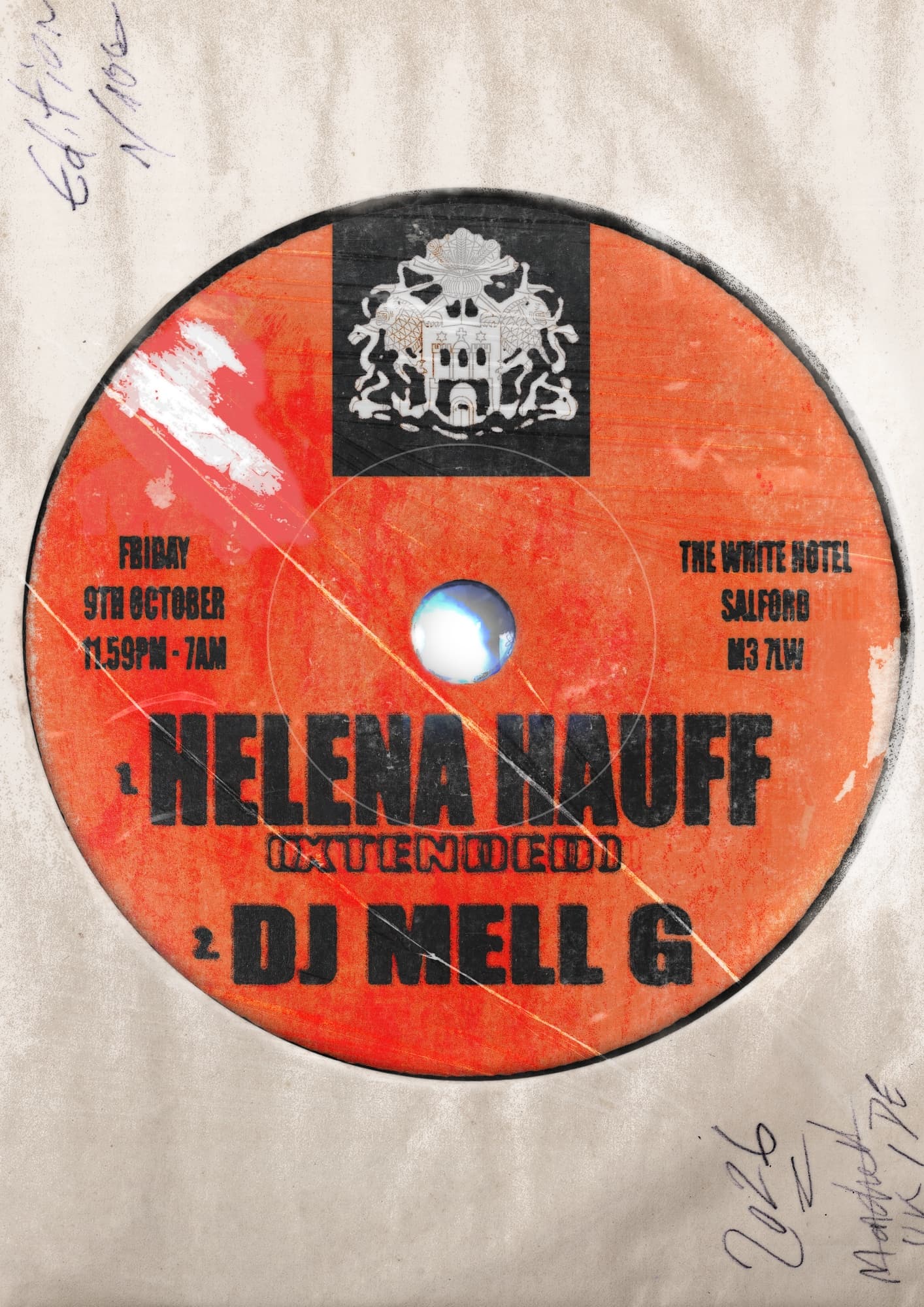
- Helena Hauff
- SHERELLE
The imminent silence in the Strangeways district
The imminent disappearance of The White Hotel underscores a broader crisis affecting independent spaces in the British music ecosystem. Gentrification and urban regeneration plans continue to displace institutions operating on the margins of the industry, prioritizing residential development over the preservation of underground cultural heritage. Although the Manchester electronic scene is historically resilient, the loss of this techno bastion will leave a void difficult to fill for the European community, marking the end of an era for nightlife in the North of England.


![Penultimate Paradise of the season at [UNVRS] Ibiza](/_next/image?url=https%3A%2F%2Fhfzgjraizxxoxxaupwkq.supabase.co%2Fstorage%2Fv1%2Fobject%2Fpublic%2Fmagazine%2Fposts%2Fe8525e09-5f75-4353-8015-3cc3aaf65709%2F0n0pu7w.jpg&w=1920&q=75)