
Venue
Victoria Warehouse
Trafford, England, United Kingdom
Biography of Victoria Warehouse
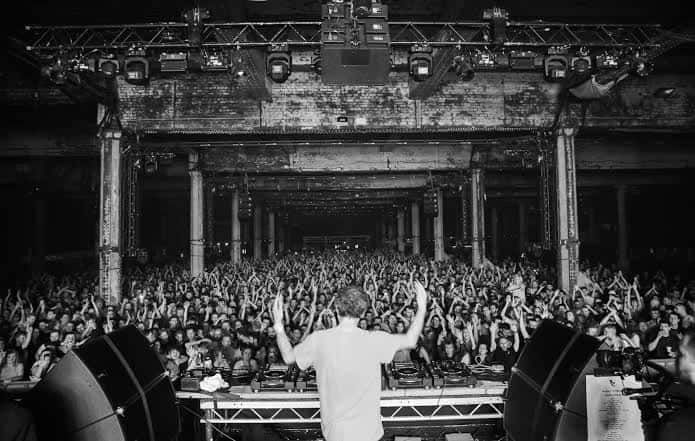
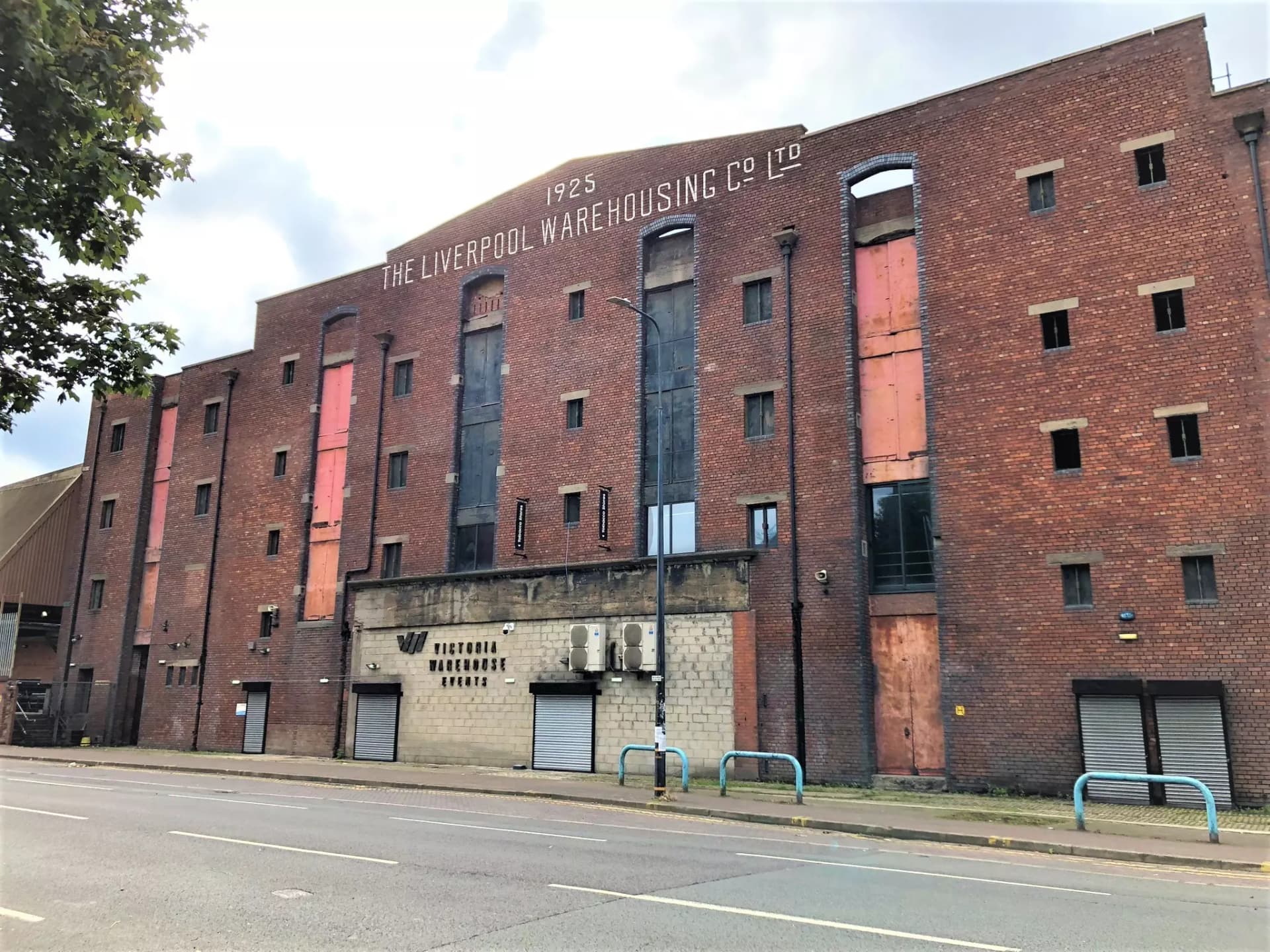
The warehouses of the Liverpool Warehousing Company still define Trafford Wharf: two buildings from 1925 and 1936 built for the cotton trade of the Atlantic, with cast-iron columns, wooden beams, and a scale that does not try to look like a designer club.
The fire, the mural and the second life
A major fire in 1980 left the complex damaged. Two years later, Walter Kershaw painted the industry of Trafford Park and Manchester United players on the facade; the venue removed the mural in 2007 for safety. In 2005 developers bought the structure and in 2009 the renovation began: contemporary facilities without erasing the original skeleton. On April 8, 2012, The Warehouse Project ignited its great dance music experience here. That season did not turn the warehouse into a party brand: it put Victoria Warehouse on the map of British clubbing as a first-rate industrial shell.
Cotton Sheds: the building that can hold a rave or a concert
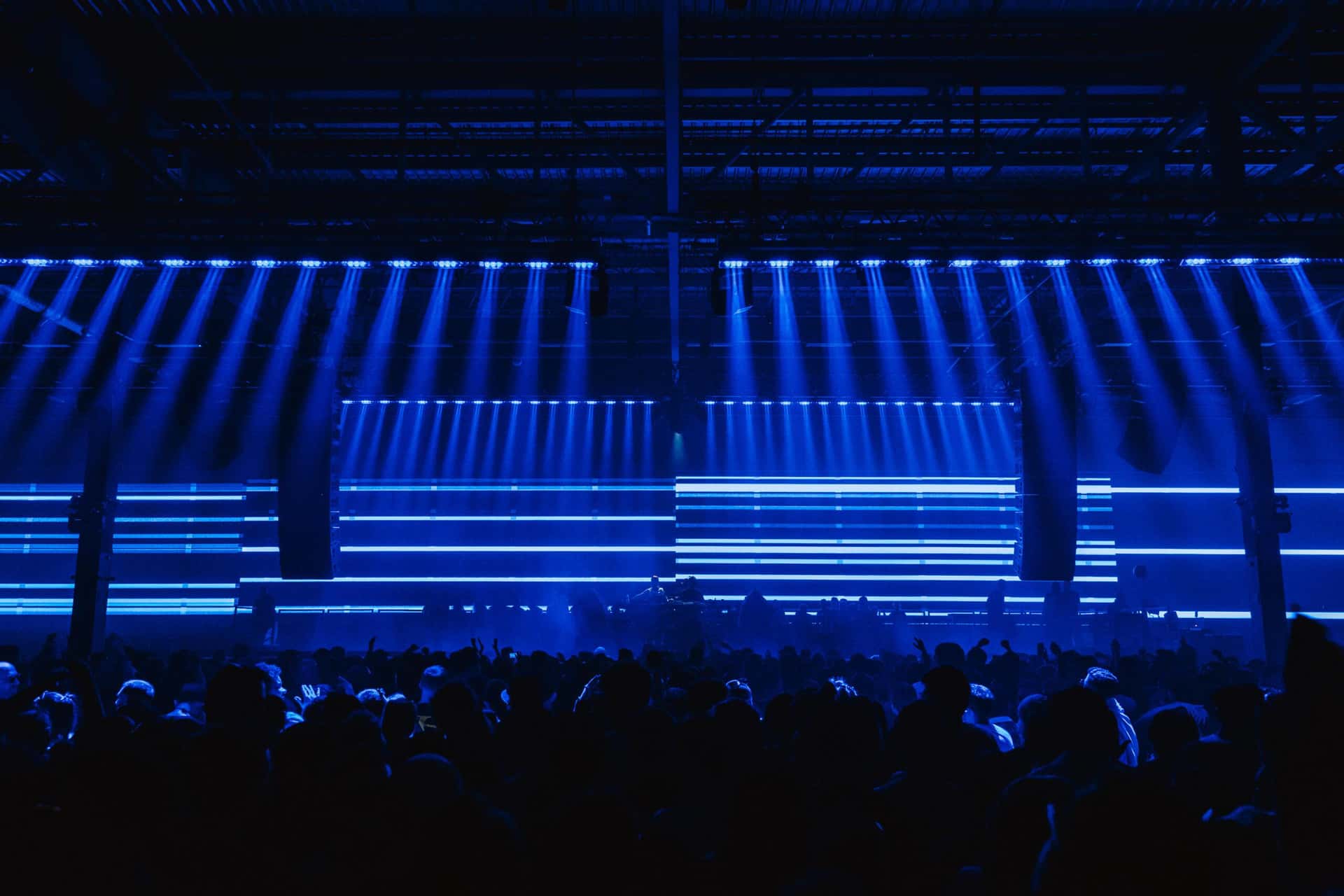
The musical pulse is in The Cotton Sheds, more than 4,500 m² of former cotton warehouse, with sheds that open or fragment, bar, reception, and VIP mezzanine. The concert capacity of the main hall is 3,500 people; the complex can grow to 5,000 in event formats. Around it, The Bays—where Kellogg's, McVitie's, and Cadbury stored merchandise—, The Archives, The Cellars, The Tobacco Stores, and a restored cinema turn the venue into a multi-room organism. The BBC Radio 6 Music Festival, tours by Thom Yorke, Sam Fender, or Lizzo, club nights, and indoor dance festivals have used that same floor. Hardwell filled the warehouse with I Am Hardwell; electronic events like Rong continue to be scheduled there.
The O2 stamp and the hotel next to the dance floor
Since September 1, 2018, Academy Music Group has operated the main auditorium as O2 Victoria Warehouse Manchester. The first hit of that stage was the Sankeys Return on September 8. The rest of the complex remains in the hands of the venue: its own hotel, weddings with civil license since 2015, corporate events, and exhibitions. It is not a neighborhood nightclub or a touring brand: it is a physical warehouse, with a cloakroom, adapted ground floor access, patio, smoking area, and the Wharfside tram a few minutes away. The canal is right next door. The architecture, still, commands more than the branding.