Venue
Alexandra Palace
City of London, England, United Kingdom
Biography of Alexandra Palace
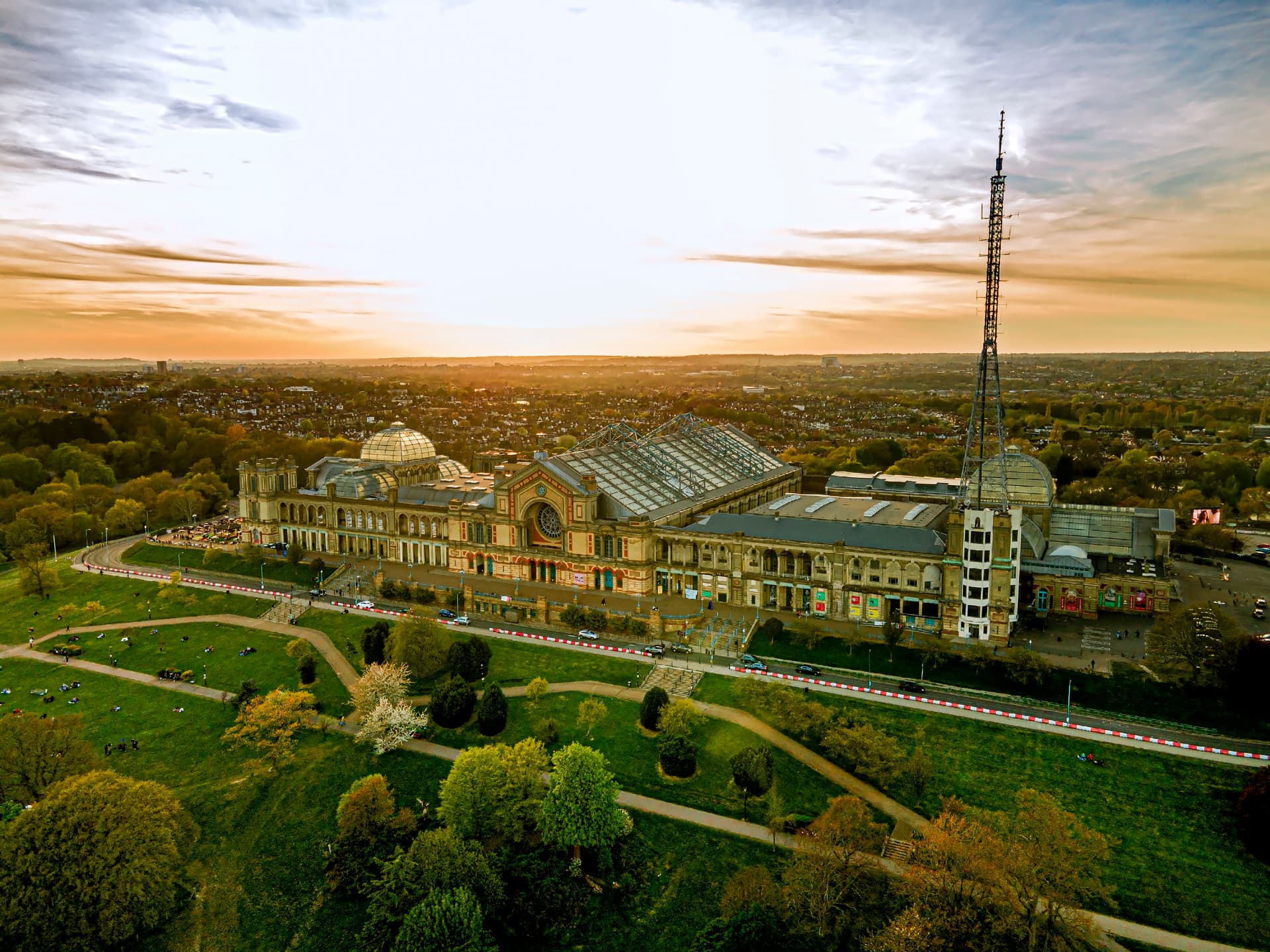
Sixteen days. That is how long the first palace lasted. It opened on the hill on May 24, 1873, before more than one hundred thousand people, and on June 9, fire took it, with three workers inside. The building that occupies Alexandra Palace today reopened on May 1, 1875: a brick and glass People's Palace, designed as a northern replica of the Crystal Palace and named in honor of Princess Alexandra.
The palace that Parliament saved forever
It was not a court. It was a public center for leisure, education, and entertainment, surrounded by a 196-acre park between Wood Green and Muswell Hill. When the owners wanted to sell the site in 1900, a consortium of local authorities bought it and an Act of Parliament created a trust: the palace and park were to remain available for the free use and recreation of the public forever. The Alexandra Park and Palace Charitable Trust remains the manager. The nickname Ally Pally, attributed to Gracie Fields, is the one used by the venue itself.
The mast from which television was born
In 1935, the BBC rented the east wing. On November 2, 1936, from studios A and B, the world's first regular high-definition television service was broadcast: Marconi-EMI at 405 lines against the Baird system. The mast is still standing. The Victorian theater spent decades as a prop workshop. After the war, the palace was London's broadcasting center until 1956; the news department left in 1969 and the Open University occupied the studios until 1981.
The Great Hall as the city's dance floor
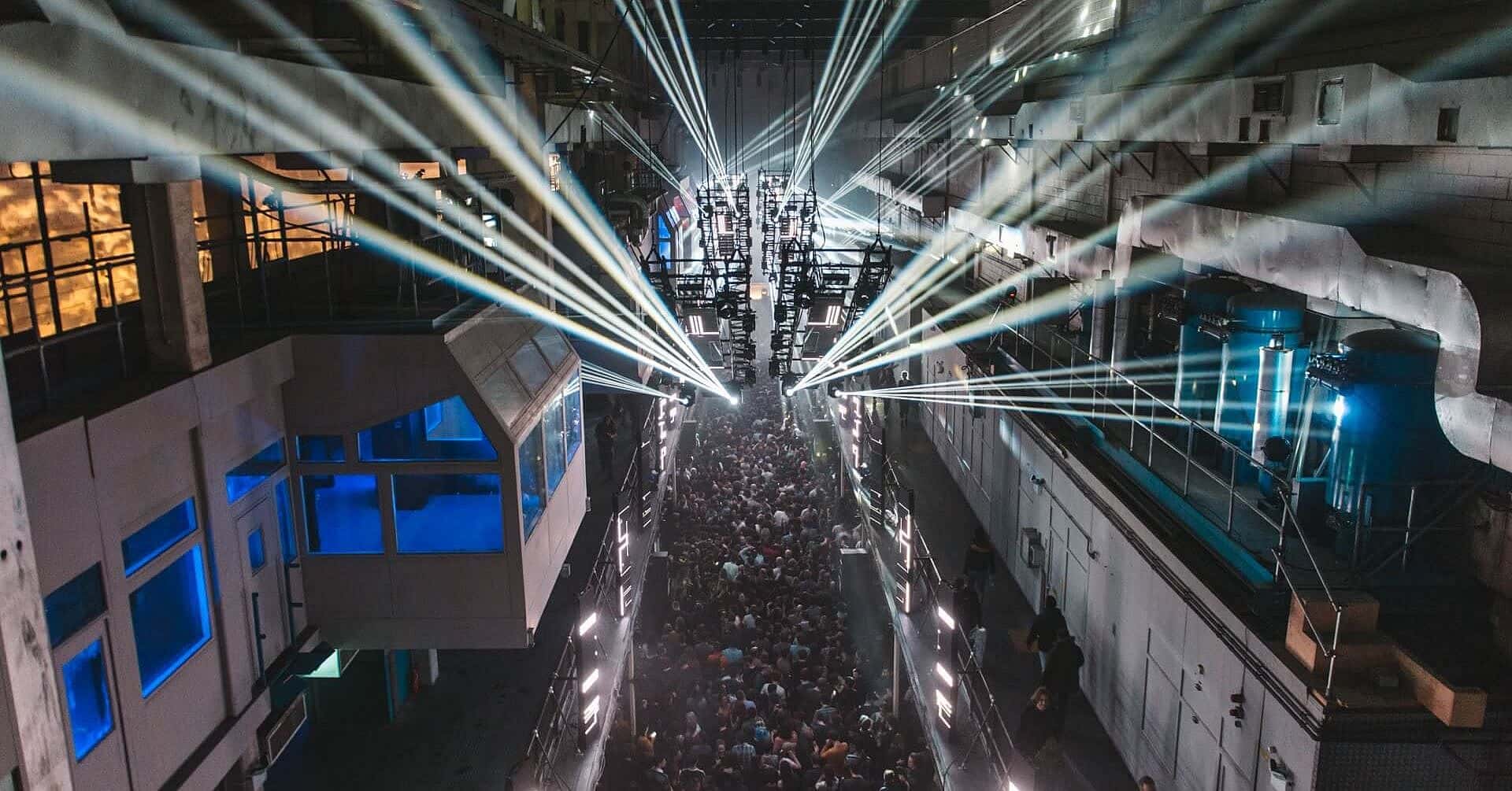
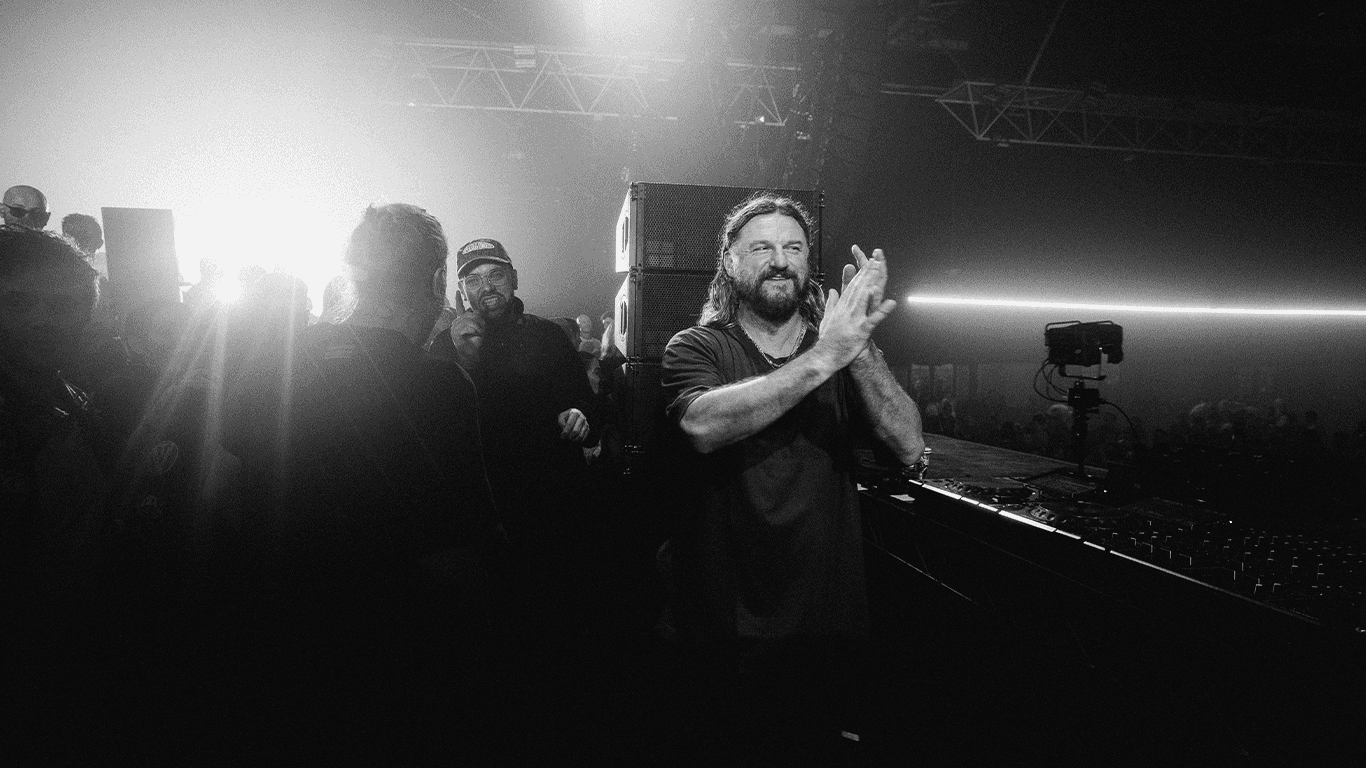
Without pillars and with a capacity for 10,250 standing people, the Great Hall is the nave that turned the palace into a concert hall. In 1964, The Rolling Stones headlined an All Night Rave. On April 29, 1967, Pink Floyd played at dawn at the 14 Hour Technicolor Dream, with Soft Machine, The Move, The Crazy World of Arthur Brown, and a performance by Yoko Ono: that happening put Ally Pally on the map of the London underground. In the seventies, Led Zeppelin, Grateful Dead, and Queen performed there. In 1989, The Stone Roses played their first major London concert; in 1994, Blur launched Parklife from that same room. Electronic music was written into the venue's own history: Orbital, The Chemical Brothers, David Guetta, Swedish House Mafia, Skrillex, Disclosure, and Andy C. Today, the Great Hall operates at a club arena scale: Annie Mac, ANOTR, Boris Brejcha, or Solomun have filled the nave.
Ashes, organ, and a theater that returned
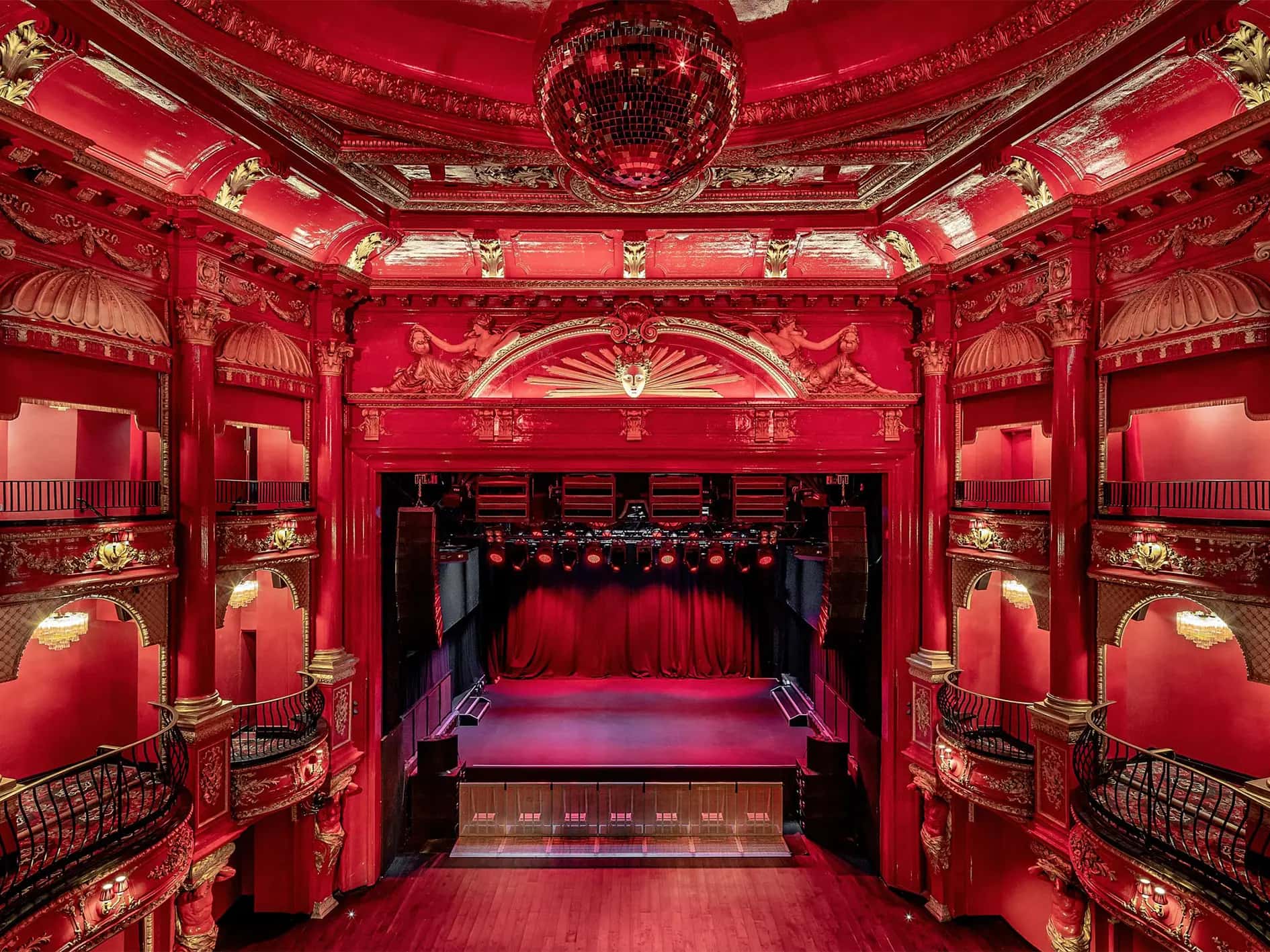
In July 1980, during the Capital Radio Jazz Festival, another fire destroyed half the nave. The palace reopened to the public in 1988. The Willis organ, a sibling to the one at the Royal Albert Hall, was rebuilt. The Victorian theater, dormant for eighty years, returned in December 2018 with an L-Acoustics Kara system; the Great Hall, however, functions as a receiving house, without a fixed PA. East Court, the ice rink, Phoenix Bar, and the park remain open almost daily. Concerts start on time.