Venue
PAARD
The Hague, South Holland, Netherlands
Biography of PAARD
The horse that snuck into the Hofstad
The colorful P on the Prinsegracht announces a venue that was born to infiltrate The Hague's most formal circles from within. On October 21, 1972, in three 17th-century houses that had been the Angela girls' boarding school, Paard van Troje opened as a youth center: yoga, a women's café, and dance in the chapel. The name was no mere decoration: they wanted to conquer the Court city from the inside, like the legendary Trojan horse. Within a few years, that shelter became one of the great Dutch pop temples.
Early mornings with Prince and a dance floor that wasn't an afterthought
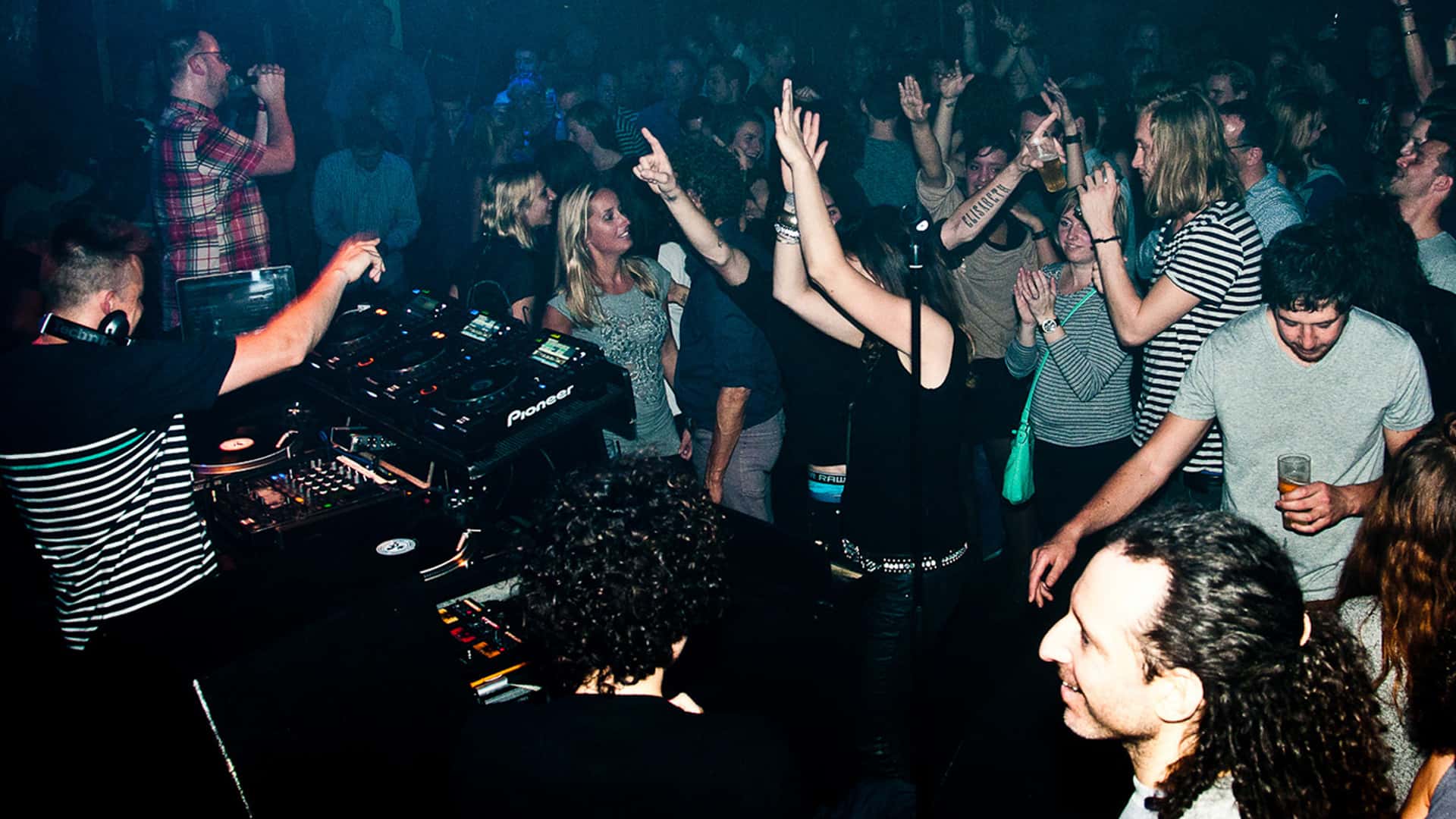
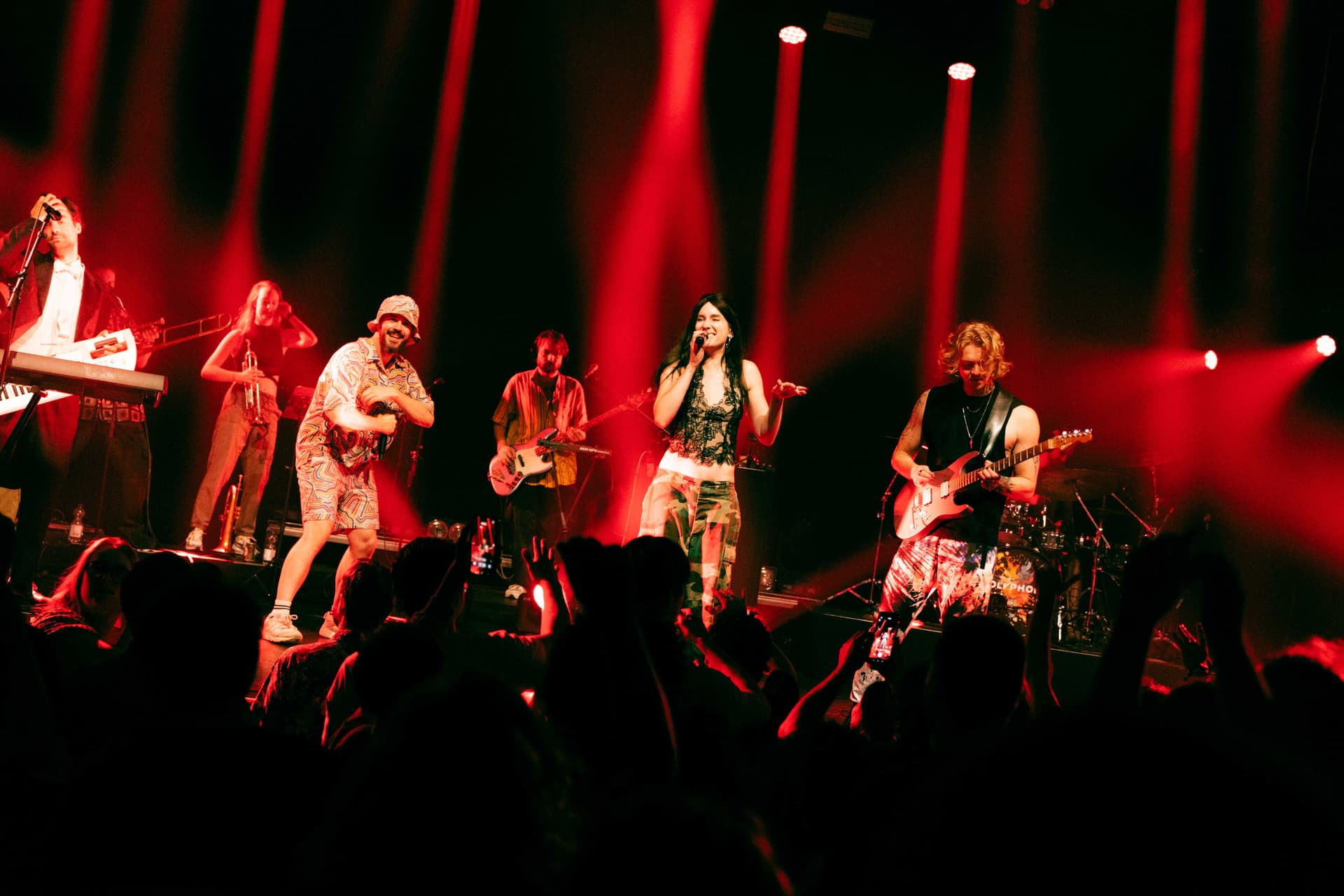
The venue has hosted U2 (1980), Mick Jagger (1982), Pearl Jam (1992), and Radiohead (1993). Prince would stay at the Hotel Des Indes and show up in the early hours to play surprise sets. In 2007, the venue welcomed Aphex Twin: electronic music was no cosmetic addition. The Nachttempel award in 2005, given by Nieuwe Revu to the best club in the Netherlands, arrived when Paard was already mixing concerts and nightlife. That year there were 163,000 visits; in 2023, they neared 300,000.
The Koolhaas box and the stage in the center
Between 1999 and 2003, the building was gutted. OMA and Rem Koolhaas rebuilt the interior behind the monumental facades: a concrete acoustic box, the Grolsch Zaal for 1,100 people, and a small room for 350. The mobile balconies allow the room to be shrunk or the DJs to be placed in the center of the crowd. That geometry is today PAARD360: stage in the middle, audience at 360 degrees. The same idea that Pim Jonker described upon reopening on September 3, 2003, when the name Paard van Troje returned to the facade.
Club PAARD, the night as its own program
Since the eighties, there had been club nights, but always as an add-on. With CLUB PAARD, the venue—renamed PAARD in 2017—commits to The Hague's nightlife: Q, The Spot, ALT, Mama Africa, or Fiesta Macumba. The Kleine Zaal debuted the country's first permanent d&b Soundscape; the main room runs on d&b KSL. It is not a single-brand nightclub: it is a concert hall with its own club, a few hundred meters from the Binnenhof, where the dance floor remains part of the city's culture.