
Venue
Sala El Sol
Madrid, Spain
Biography of Sala El Sol
Nacha Pop lit up Calle Jardines
On October 9, 1979, Nacha Pop inaugurated the stage at El Sol with La chica de ayer. Architect Antonio Gastón had just bet on a venue next to Montera, then a degraded center, convinced that Madrid would eventually revolve around it. The early years were almost like a private club: membership cards for cinema, literature, and music—from Pedro Almodóvar to Joaquín Sabina—and a privileged box. In the midst of the Transition, the joint became a lounge for the Movida: Alaska y los Pegamoides, Radio Futura, Los Secretos, and PVP turned that dance floor into a meeting point for the new Madrid nightlife.
Velvet and pink neon cabaret
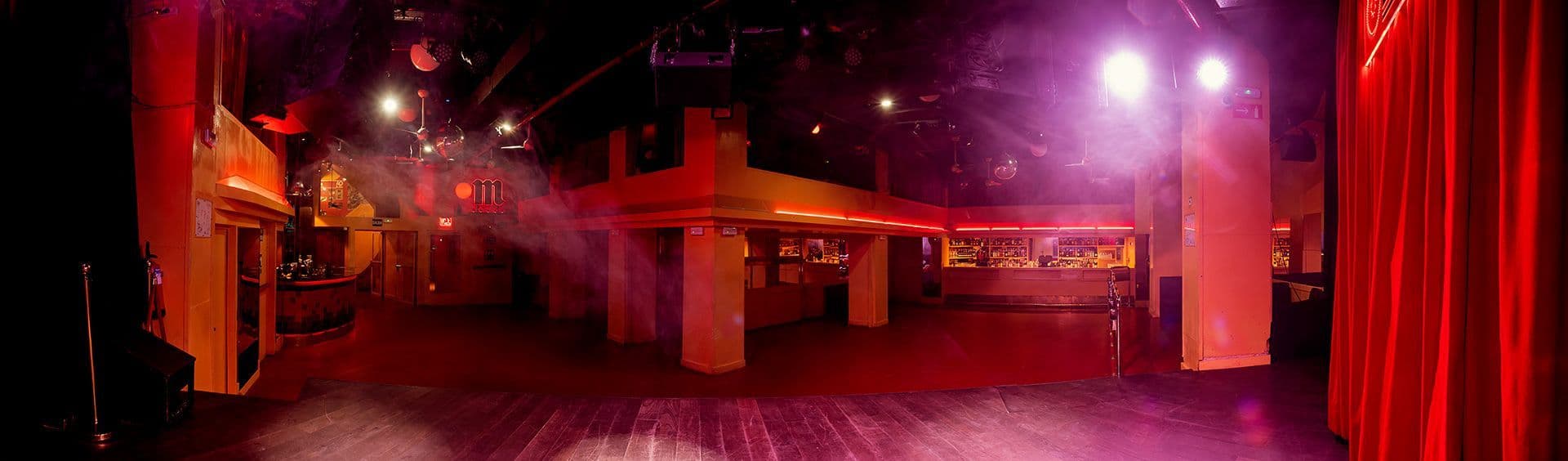
You go down a spiral staircase to a basement with red curtains, a semicircular stage, boxes, mirrors, and pink neon. Gastón designed a theatrical and cabaret atmosphere, intended for spectacle and a diverse crowd. That scenography—two bars, a DJ booth, tiered seating, and reserved areas—has appeared in music videos, series, and films. There is a cloakroom, two dressing rooms, a technical box, and reserved boxes for reduced mobility, although wheelchair access is provided with staff assistance. On the facade, the City Council placed a plaque recognizing the venue as a reference point for live music.
Almost daily live music, late-night electronic
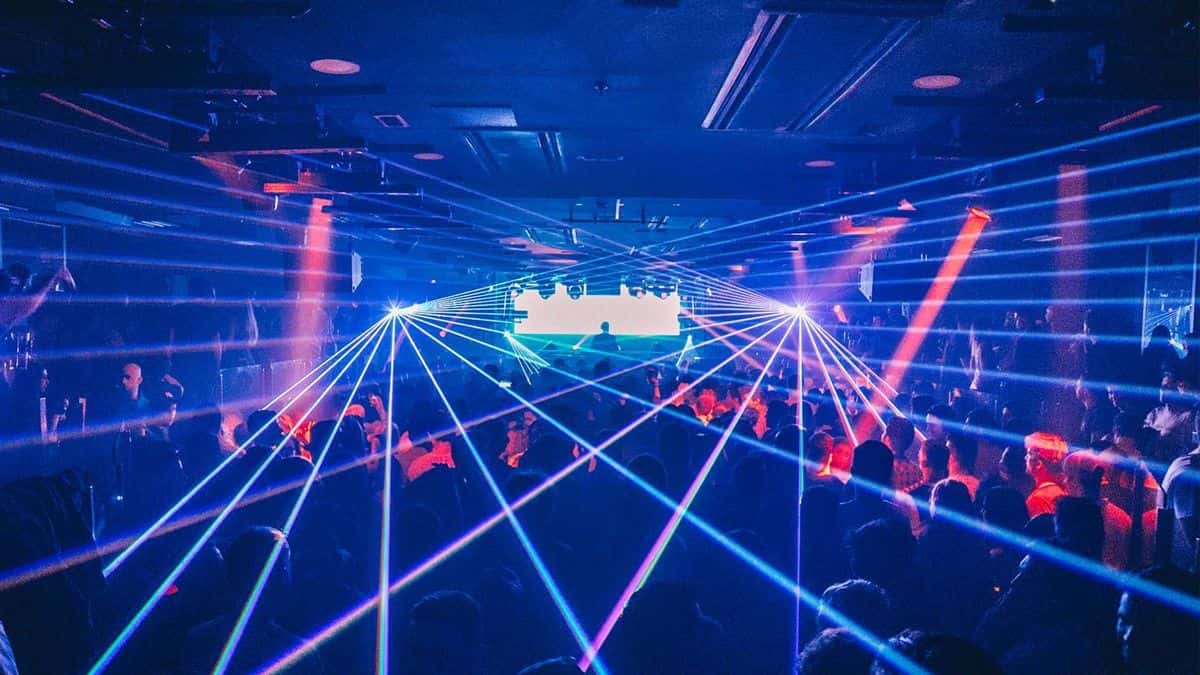
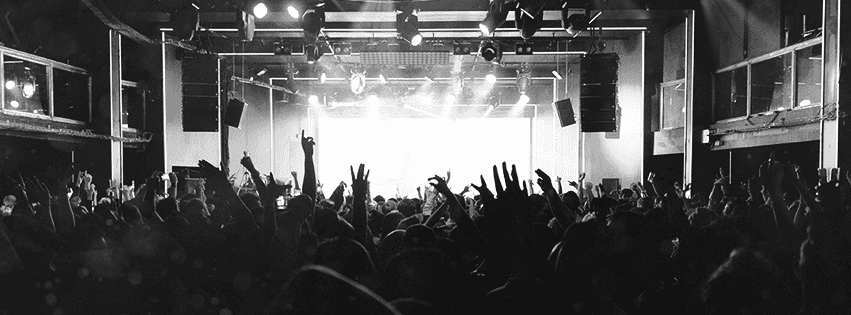
The schedule is almost daily: pop-rock, urban, folk, and international tours. In the nineties, Nacho Moreno opened the venue to Weezer, Moby, Jackson Browne, The Strokes, or Alanis Morissette, and the venue consolidated Vetusta Morla, Amaral, Sidonie, or Love of Lesbian. On weekend late nights, La Noche de El Sol—the El Sol Club brand—pushes electronic music with LGTBIQ+ collectives and the local scene. The Trueno party ran for nine years and over 350 sessions in that booth, with club names ranging from Axel Boman to Indira Paganotto or Anna Tur.
From the Movida to the Memory Plaque
In 2013, it was added to the Cultural Heritage census of Madrid. On November 20, 2019, it received the first municipal Memory Plaque granted to a concert hall. Since 2017, it has been managed by David Novaes and Miguel Calvete, founders of Siroco. It closed in 2020 due to the pandemic and reopened in April 2021. The concert PA is Martin Audio; in the DJ booth, Void Acoustics monitors are used. Almost half a century later, the basement at Jardines 3 remains both a hall of consecration and a club dance floor.