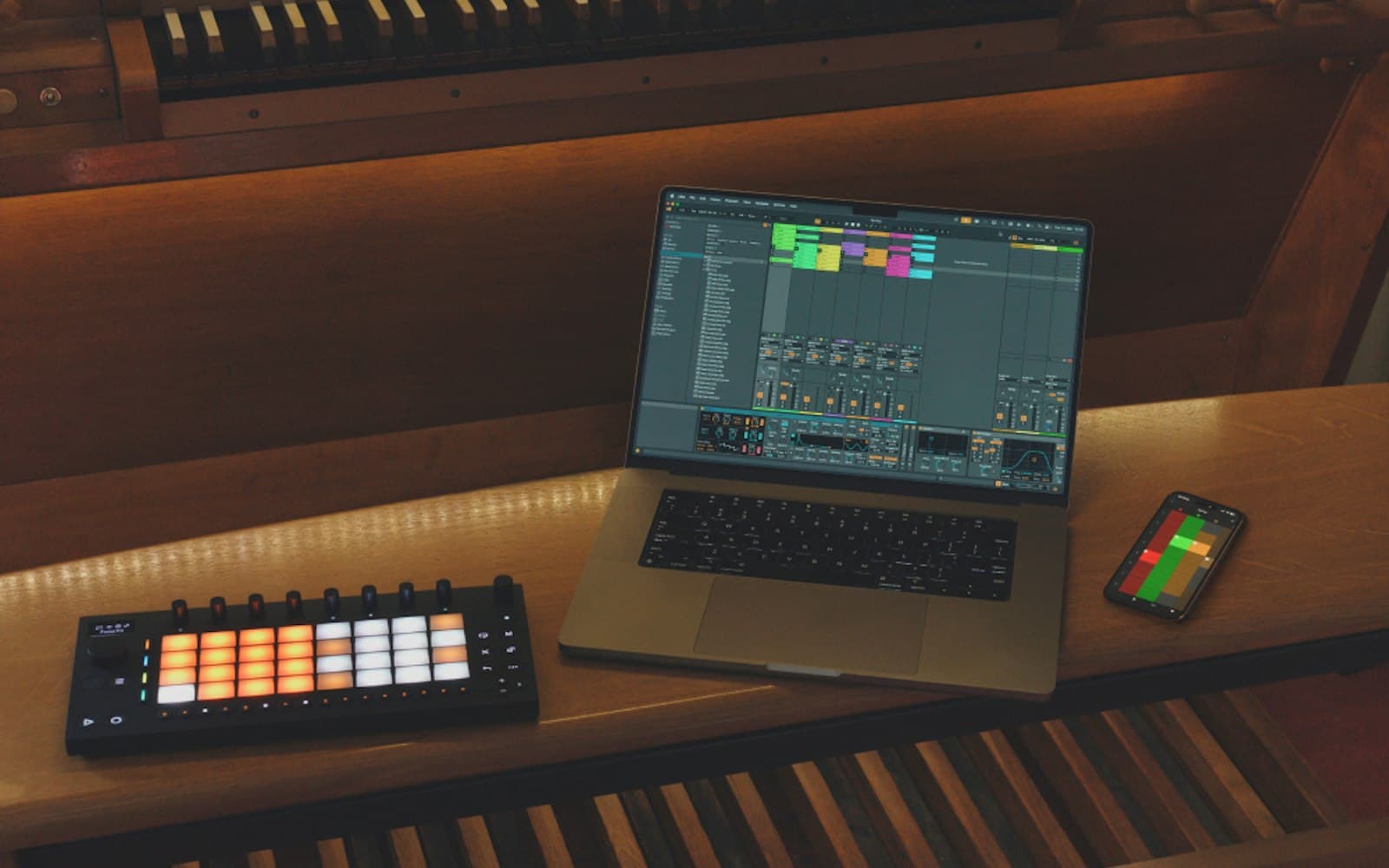

The Extensions SDK revolution in Ableton Live 12.4.5
The recent beta phase of Ableton Live 12.4.5 has marked a turning point in music production with the introduction of the Extensions SDK. This new native system based on JavaScript allows developers and producers to integrate custom tools directly into the DAW ecosystem, eliminating for the first time the strict dependency on Max for Live licenses. According to the official documentation, this update is designed for the Suite version and opens the door to deep modifications in tracks, clips, MIDI data, and audio devices.
Extreme manipulation and project optimization
The community has responded quickly to this release with innovative creations. Among the most notable tools is Paulstretch for Live, developed by Oliver Larkin. This free extension integrates a legendary extreme time-stretching algorithm directly into the native environment, a technique historically used by artists like Flying Lotus for ambient sound design. On the other hand, tools like Optimizer, created by producer Ellis Moss, automate session cleanup by removing empty tracks and muted channels to reduce CPU consumption.
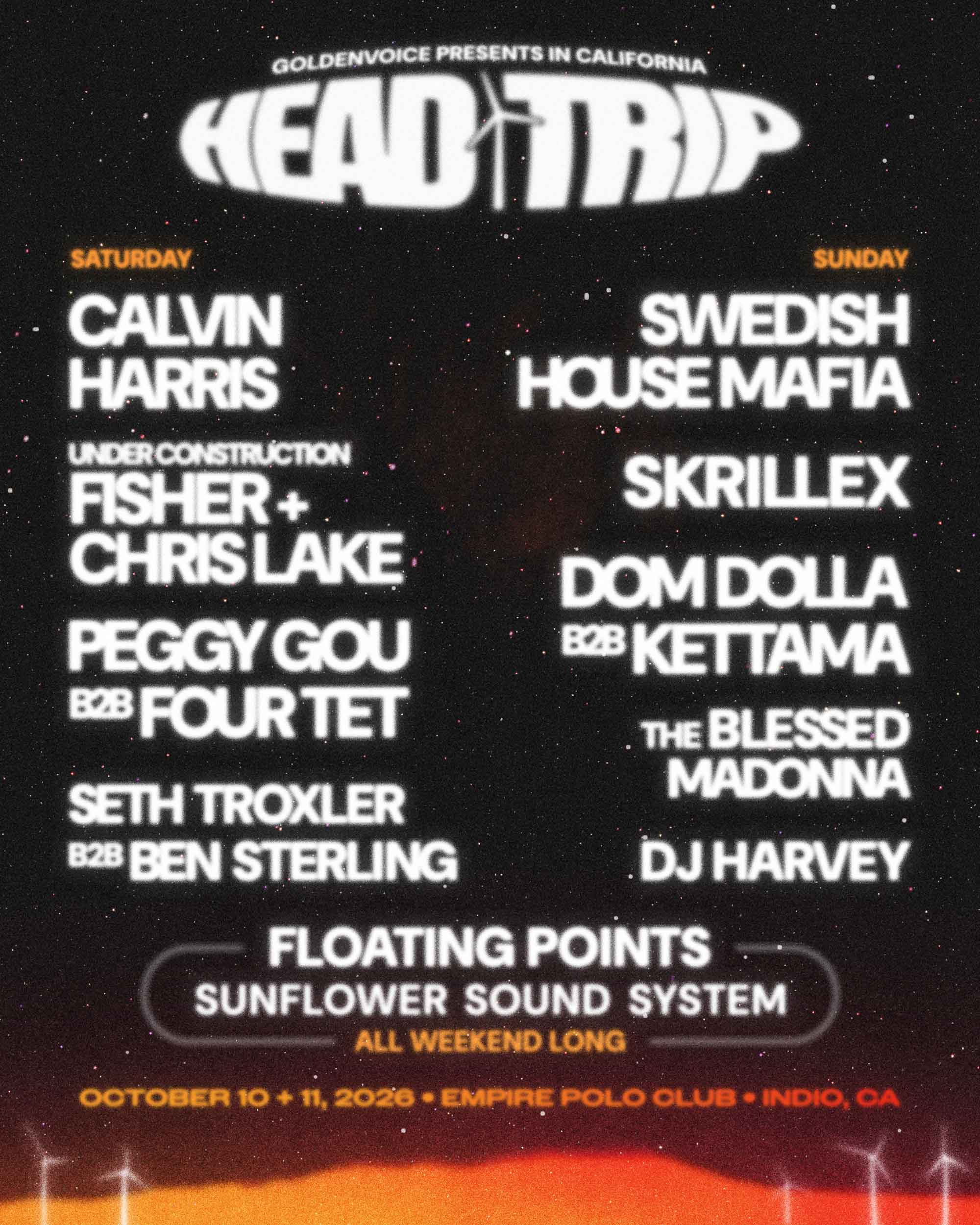
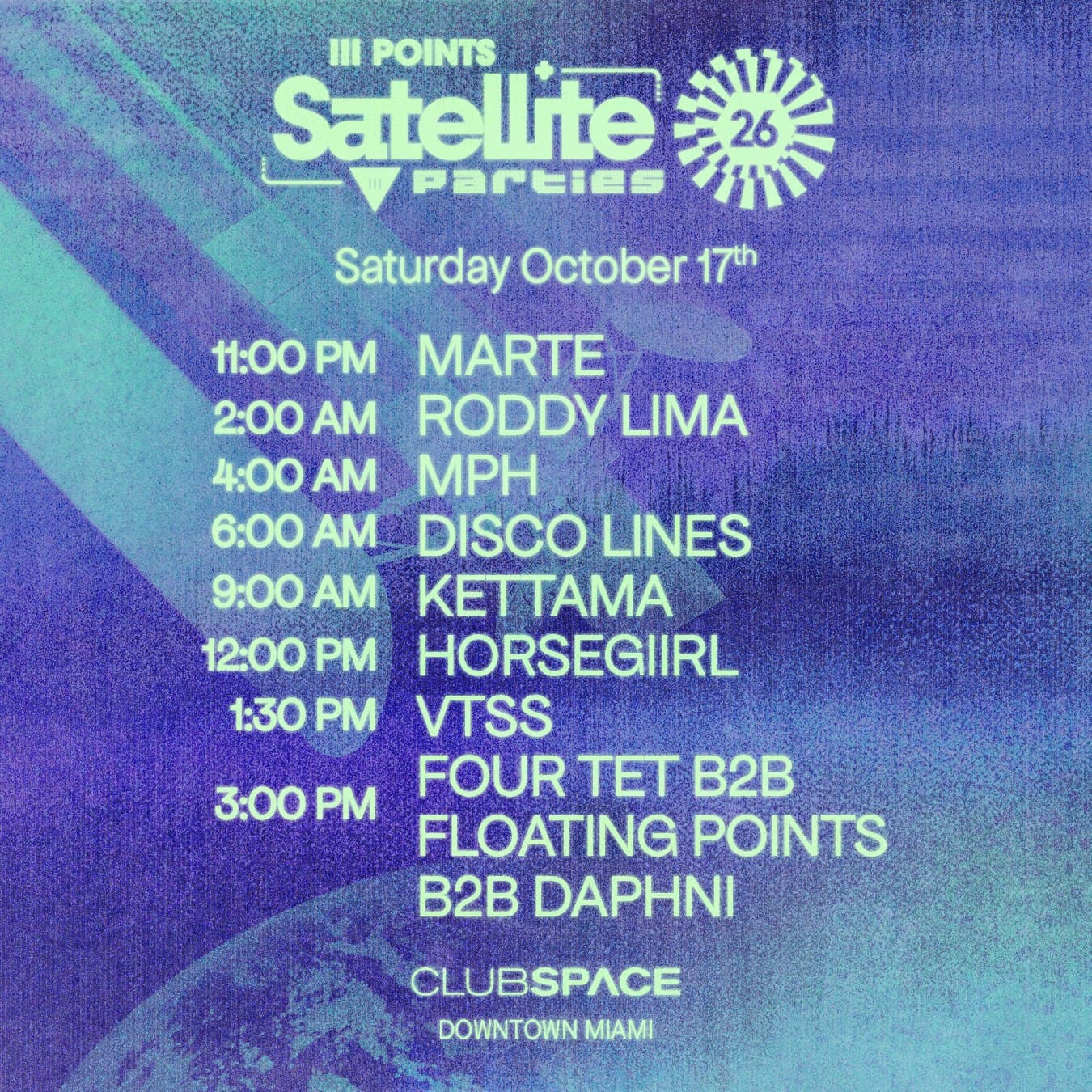
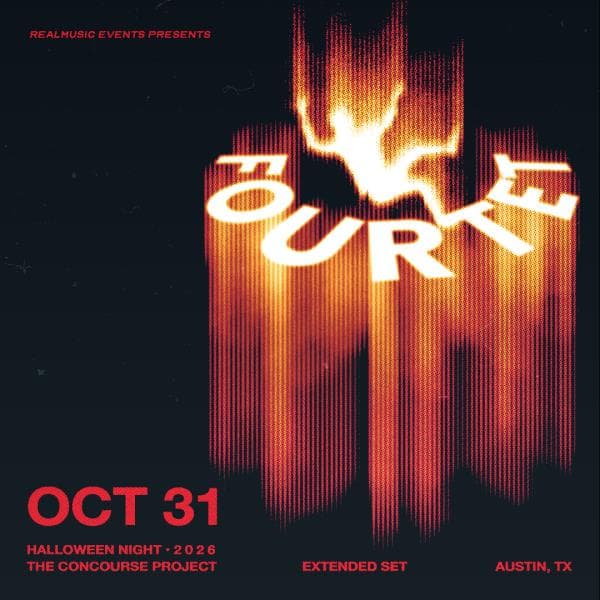
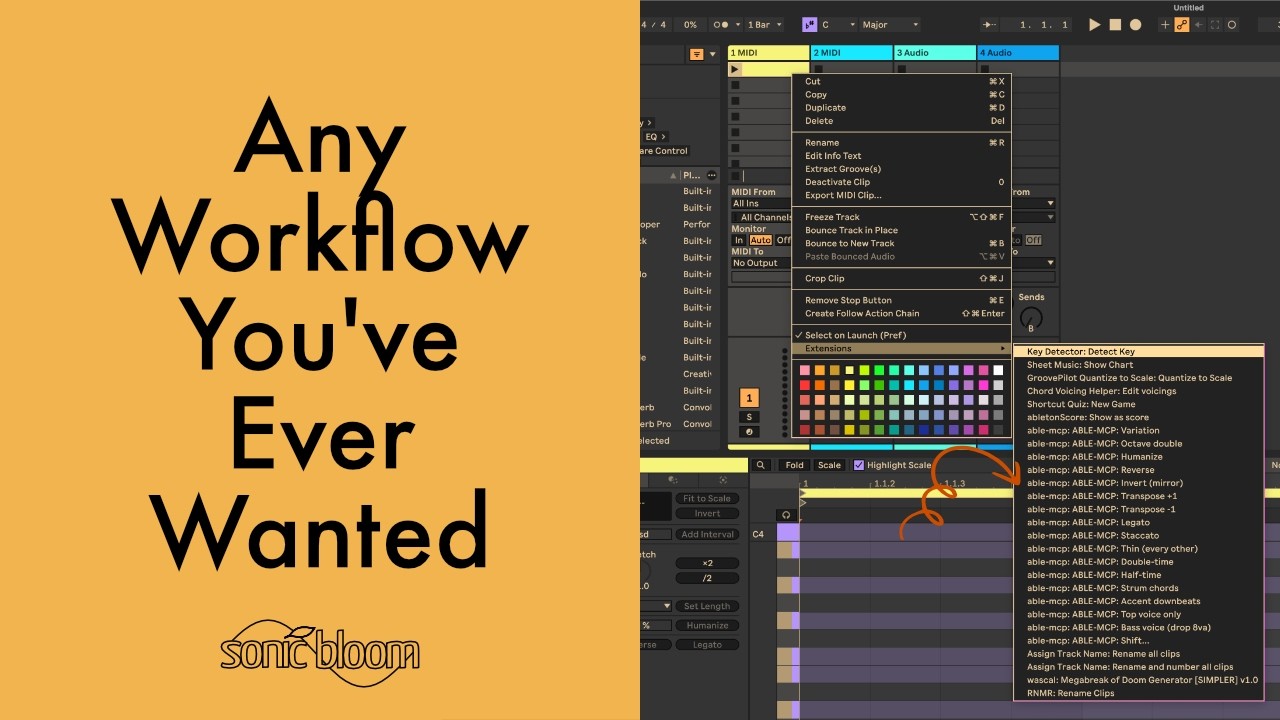
The impact of this technology extends to AI-powered MIDI transcription and generation. Producers of the stature of Four Tet, Burial, or Floating Points have relied for years on complex third-party scripts to overcome software limitations. Now, the new ecosystem facilitates the implementation of tools that analyze and reorganize entire projects with a simple right-click.
Start playback
A new open-source paradigm for the studio
The most disruptive aspect of the Extensions SDK is its accessibility. Being built on standard web technologies, Ableton has confirmed that users can generate their own extensions using AI-based programming assistants, without the need for prior coding experience. This democratization of music software development suggests a near future where every studio will have a DAW completely molded to its specific needs, permanently altering the workflow in the global electronic scene.