
Confirmation from authorities: Three fatalities in the Black Rock desert
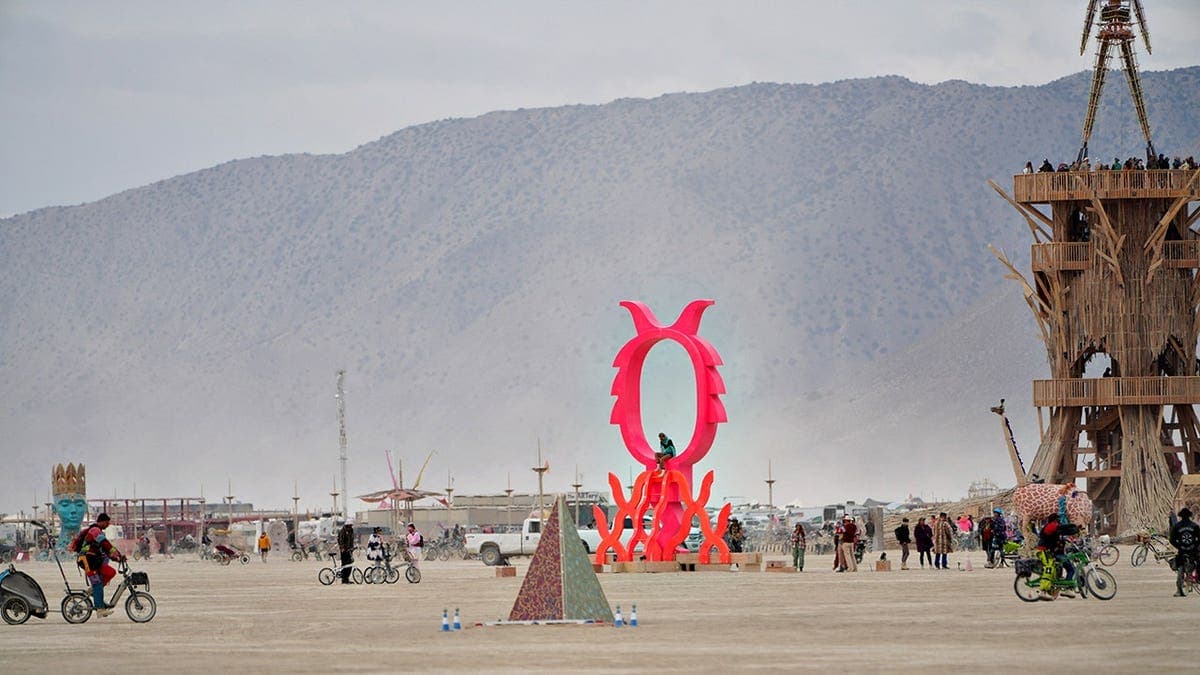
The Burning Man Project organization and the Pershing County Sheriff's Office have issued official statements confirming the death of three participants during the 2026 edition of the event, held in the Black Rock desert, Nevada. This toll triples the historical mortality rate of the gathering, which brings together more than 70,000 people in a temporary city dedicated to art, electronic music, and self-reliance. Authorities have initiated independent investigations for each case, preliminarily ruling out signs of external violence or criminality.
The first reported death corresponds to Sampson Tshombe, a middle-aged man who suffered a severe medical emergency on the streets of the ephemeral metropolis. The festival's rapid response teams performed cardiopulmonary resuscitation (CPR) maneuvers on him for several minutes before transporting him to Rampart, the high-capacity medical center installed on the premises. Despite the efforts of the medical staff, his death was certified at the facility.
On Saturday, September 5, at 3:00 PM, the second fatal incident was recorded. Craigh Mann, 60, was found lifeless inside the trailer he shared with his partner. The discovery was made by his own campmates. Days later, the Washoe County Regional Medical Examiner's Office confirmed a third victim: Armando Ramirez, 51, originally from Truckee, California, who passed away while being evacuated by ambulance from the festival grounds to a hospital in the city of Reno.
Emergency medical operations and continuous psychological support
Pershing County Sheriff Jerry Allen stated in official declarations that the record of three deaths in a single week represents a statistical anomaly for the jurisdiction. According to the officer, the event historically averages only one death per year, so the concentration of incidents has required a larger forensic deployment. The exact causes of death have not been revealed, as the bodies have been placed at the disposal of medical examiners for the performance of autopsies and exhaustive toxicological examinations, a standard procedure that could take between six and eight weeks.
In response to the crisis, the Burning Man Project has activated extraordinary mental health protocols. The organization has deployed uninterrupted psychological support services, integrating crisis intervention teams and trauma specialists to assist campers, family members, and friends of the victims. This peer support service seeks to mitigate the emotional impact within the extreme environment that characterizes the Nevada playa, where weather conditions and geographical isolation amplify the severity of any emergency.
Extreme conditions and demographic evolution in Black Rock City
The 2026 edition, which took place from August 30 to September 7, highlighted the physical rigors required for survival in the desert. Extreme thermal fluctuations, alkaline dust storms, and the risk of dehydration are constant factors for attendees. Reports from authorities suggest a change in the festival's demographics, with a notable increase in the average age of participants. The rise in attendees in the 50 and 60-year-old brackets poses new challenges for the medical infrastructure of Black Rock City, which in previous editions has attended to more than 1,400 patients in its field hospital.
The closing of the event was also conditioned by severe logistical challenges. During the mass exodus phase, tens of thousands of vehicles saturated the unpaved exit routes. The controlled traffic management system, known operationally as pulsing, experienced blockages that forced drivers to endure waits of over three hours to access the state highway, adding tension to the final days.
Institutional impact on the mass events circuit
Pending the final forensic reports, the international electronic music and clubbing community remains expectant. The Burning Man Project board has reiterated its unwavering commitment to collective safety, ensuring that they will collaborate closely with government agencies in Pershing and Washoe counties to clarify the facts. These incidents underscore the need to reevaluate preventive health protocols at mass-attendance events located in hostile environments, setting a precedent in the operational planning of future editions.