
The annual rebirth in the heart of the Motor City
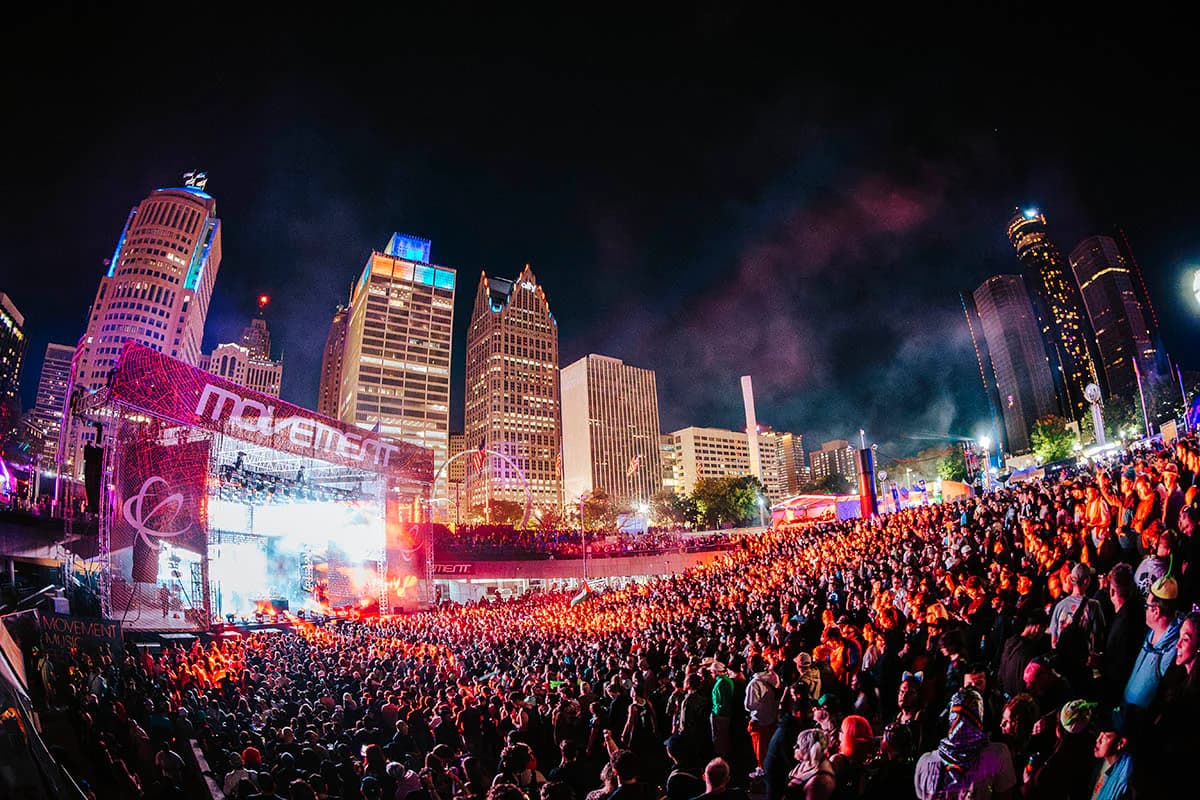
Every Memorial Day weekend, the metropolis of Detroit is inevitably transformed into the global epicenter of underground electronic music. This May 2026, the iconic Movement Music Festival returned to the legendary Hart Plaza, on the banks of the Detroit River, to celebrate a truly historic edition: the twentieth anniversary under the meticulous direction of the local production company Paxahau. With a congregation exceeding tens of thousands of daily attendees and an impeccable technical deployment, the event reaffirmed its position as an unwavering sanctuary for clubbing and modular synthesis purists. The festival's infrastructure hosted more than one hundred and fifteen international and local artists, strategically distributed across six stages designed to maximize acoustic immersion.
Preserving the heritage of the underground sound
The history of modern dance music cannot be understood without the fundamental contribution of Detroit. Since the promoter Paxahau assumed total control of the event's management in 2006, succeeding previous iterations of the scene, the main mission has been to protect this sonic legacy. Far from yielding to the pressures of mass commercialization that dominate much of the current festival circuit, Movement maintains a strictly curatorial approach. The programming prioritizes the raw rhythms, deep bass, and hypnotic BPMs that define the city's industrial soul. During the 2026 edition, the musical curation stood out for a masterful balance, merging the undisputed pioneers of the genre with the most disruptive forces of the contemporary international scene, demonstrating that techno is a living and constantly evolving ecosystem.
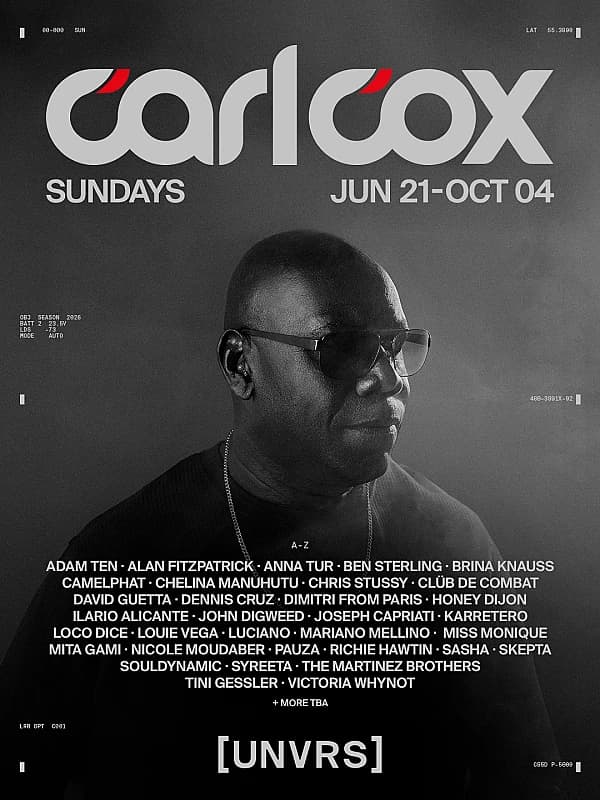
- Carl Cox and Richie Hawtin, providing the technical mastery and experience of legends established in both physical and digital formats.
- Sara Landry and Dom Dolla, injecting new frequencies, forcefulness, and freshness into the current dance floor landscape.
- DJ Minx and Claude VonStroke, representing the unmistakable local groove and the direct connection to the city's roots.
- Mochakk and Barry Can't Swim, demonstrating the versatility of adjacent genres that enrich the weekend's musical offering.
Detroit is the birthplace of techno, and returning here always carries a particular sense of meaning and responsibility. The history of this sound and its role in shaping the genre is something that can still be felt in the city and in the way music is experienced.
— Nastia (Ukrainian DJ and producer)
Cultural resistance against the mass industry
The impact of Movement Detroit transcends the simple gathering of fans; it represents a statement of principles in the competitive contemporary music industry. In an era dominated by cloned festival franchises that prioritize marketing over content, Hart Plaza remains a bastion of absolute authenticity. Here, cutting-edge sound design, the impeccable acoustics of stages like the legendary Underground Stage, and genuine dance floor culture take precedence over mere visual spectacle. The celebration of official parties throughout the city, in clubs and reclaimed industrial infrastructure, amplifies this immersive experience, turning the entire city into an extension of the festival itself. As techno continues its unstoppable global expansion, attracting new mass audiences, the annual pilgrimage to Detroit remains the ultimate rite of passage. It is the only place where true lovers of the genre can understand, respect, and experience firsthand the roots of a cultural movement that changed the history of electronic music forever.