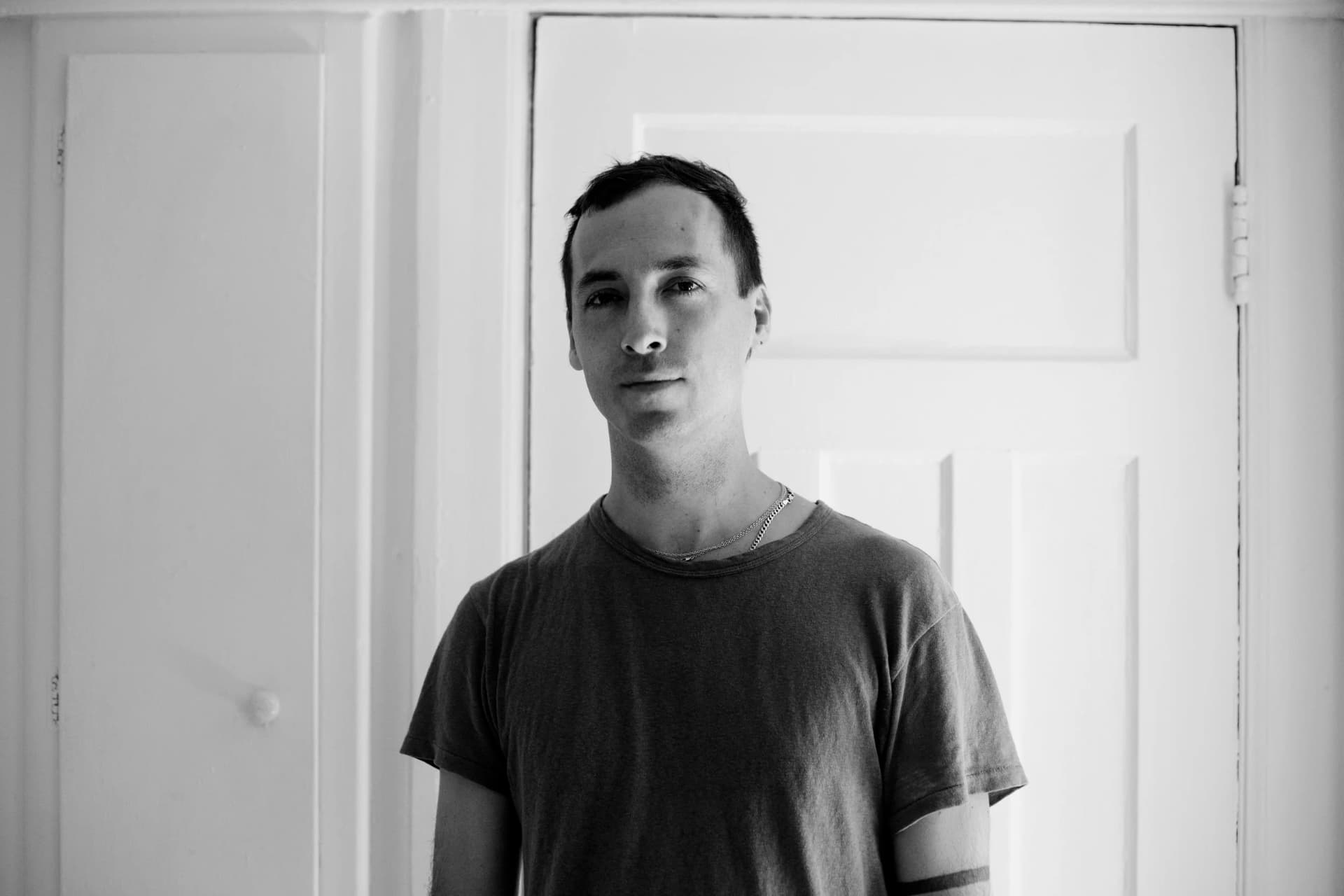

The rhythmic genesis of an ambient master
Globally recognized for texture and noise masterpieces like Ravedeath, 1972 or Virgins, Canadian producer Tim Hecker is an undisputed figure of the sonic avant-garde. However, before establishing himself as a titan of drone and ambient, he navigated the clubbing ecosystem under the alias Jetone. This project, conceived at the dawn of the 2000s, reveals a focus centered on Intelligent Dance Music (IDM), dub techno, and microhouse. This rhythmic facet offers a radical contrast to the percussion-less landscapes for which he is currently acclaimed, demonstrating an absolute mastery of groove and digital programming in the early years of his career.
Autumnmonia and Ultramarin: The synthesis of laptop techno
Jetone's discography is concise, but it is fundamental to understanding the evolution of sound design through software at the turn of the millennium. In the year 2000, the label Pitchcadet released Autumnmonia, a debut album where Hecker explored sharp rhythms and erratic synthesizer lines, laying the foundations for his glitch aesthetic. Just a year later, in August 2001, the prestigious platform Force Inc. Music Works published Ultramarin, a pinnacle work in the laptop techno scene. This work demonstrated a meticulous approach to 4/4 structures, intertwining deep sub-bass frequencies with melodic abstraction unusual for the time.
- Aerial Red: A techno exercise where the constant kick drum sustains a complex architecture of refracted textures.
- Mtl Bass: A direct and accelerated track that pays homage to bass culture and the Montreal electronic scene.
- Octan: The sonic bridge that anticipated the abstraction, noise, and experimentation that would define his later career.
- Stactic: A total immersion in atmospheric synthesis, marking the beginning of his detachment from traditional percussion.
From the dance floor to sonic deconstruction
The transition from Jetone to using his real name represented a definitive paradigm shift. After the release of Ultramarin, Hecker abandoned the restrictions of standard BPM to focus on volume manipulation, harmonic distortion, and electroacoustic collage. Although the artist has taken his live show to top-tier institutions and festivals like MUTEK and Sónar, his focus mutated from the dance floor toward the creation of orchestral tsunamis of sound and sensory deprivation. Today, the Jetone catalog remains an essential time capsule; empirical proof that the mastery of rhythmic sequencing was the foundation upon which one of the most important architects of contemporary electronic music was built.
The Jetone project is the rhythmic skeleton that Tim Hecker would masterfully dissolve in his later tsunamis of noise and ambient.
— Retrospective analysis on the evolution of the Canadian producer