

An electronic manifesto in the heart of Sónar
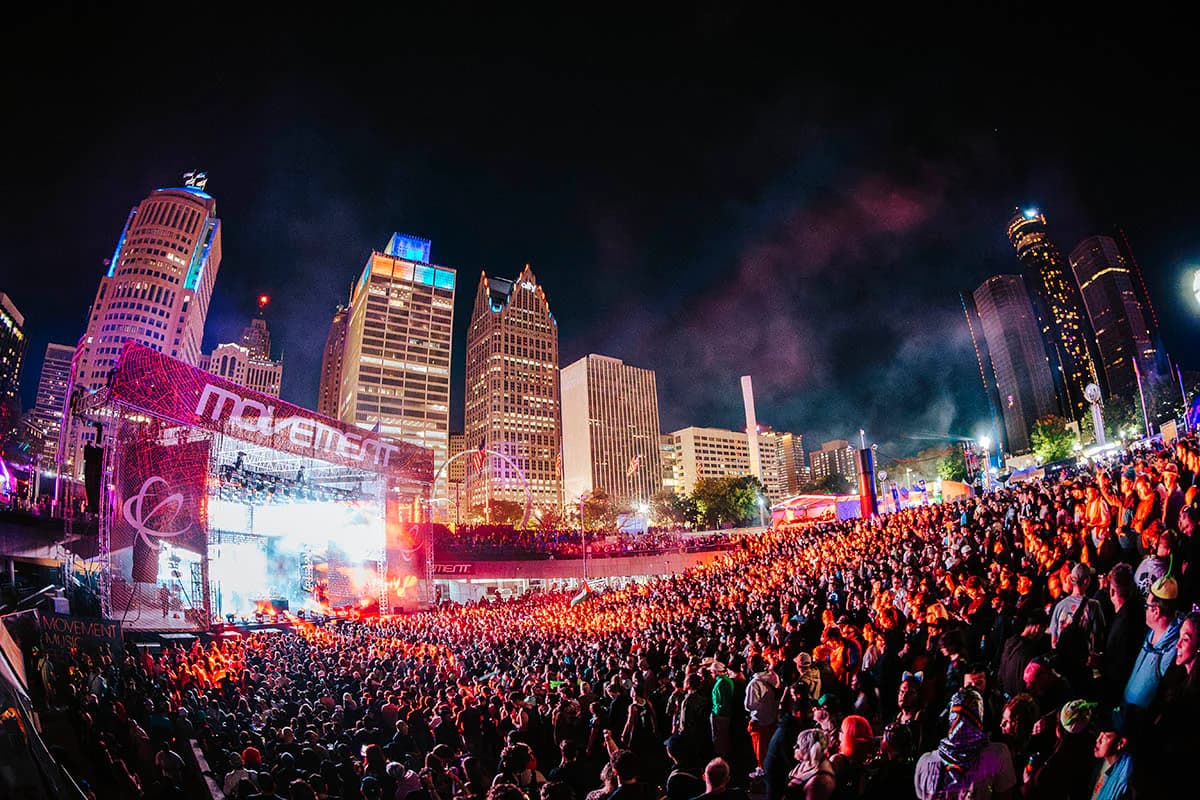
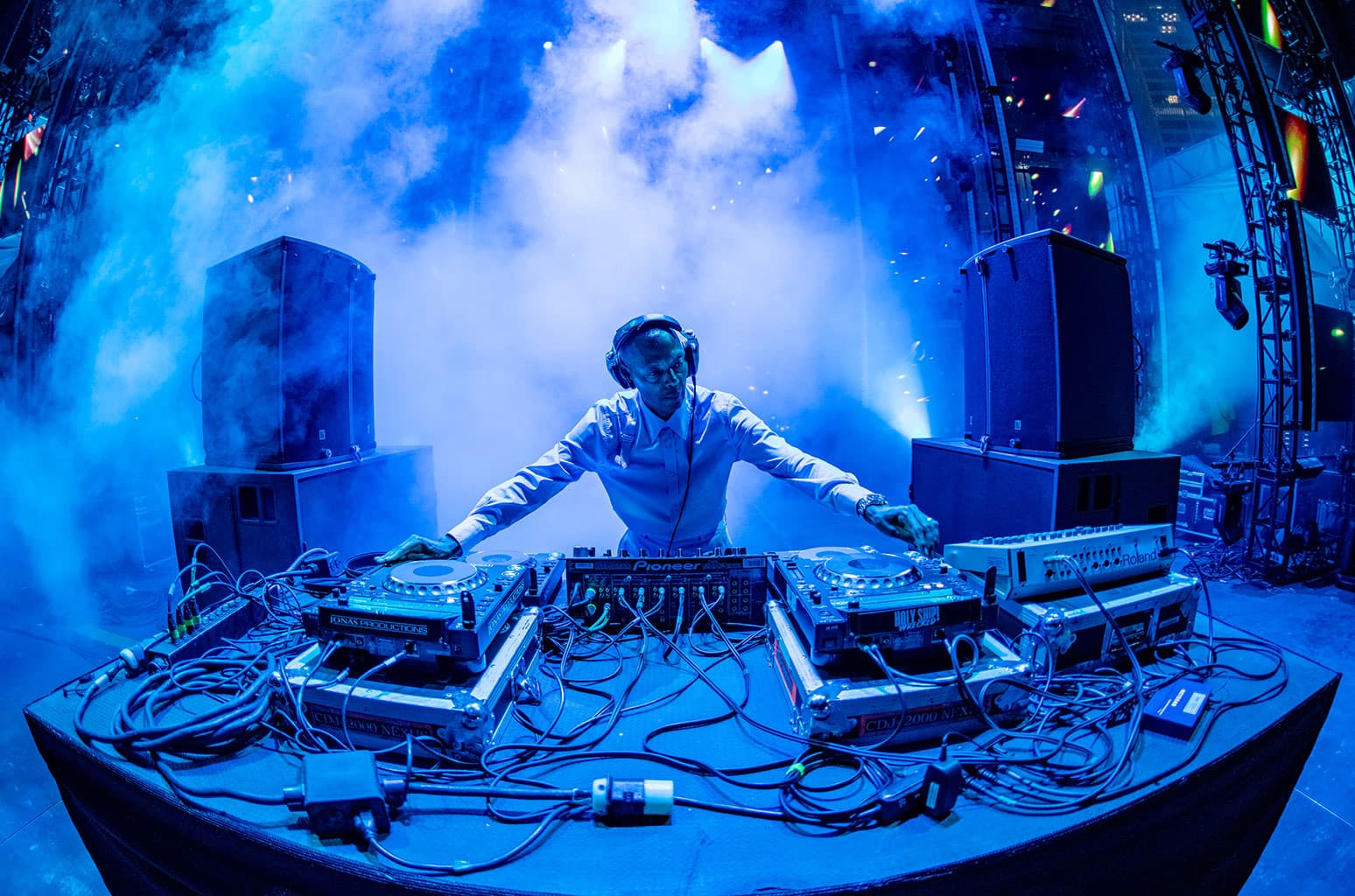
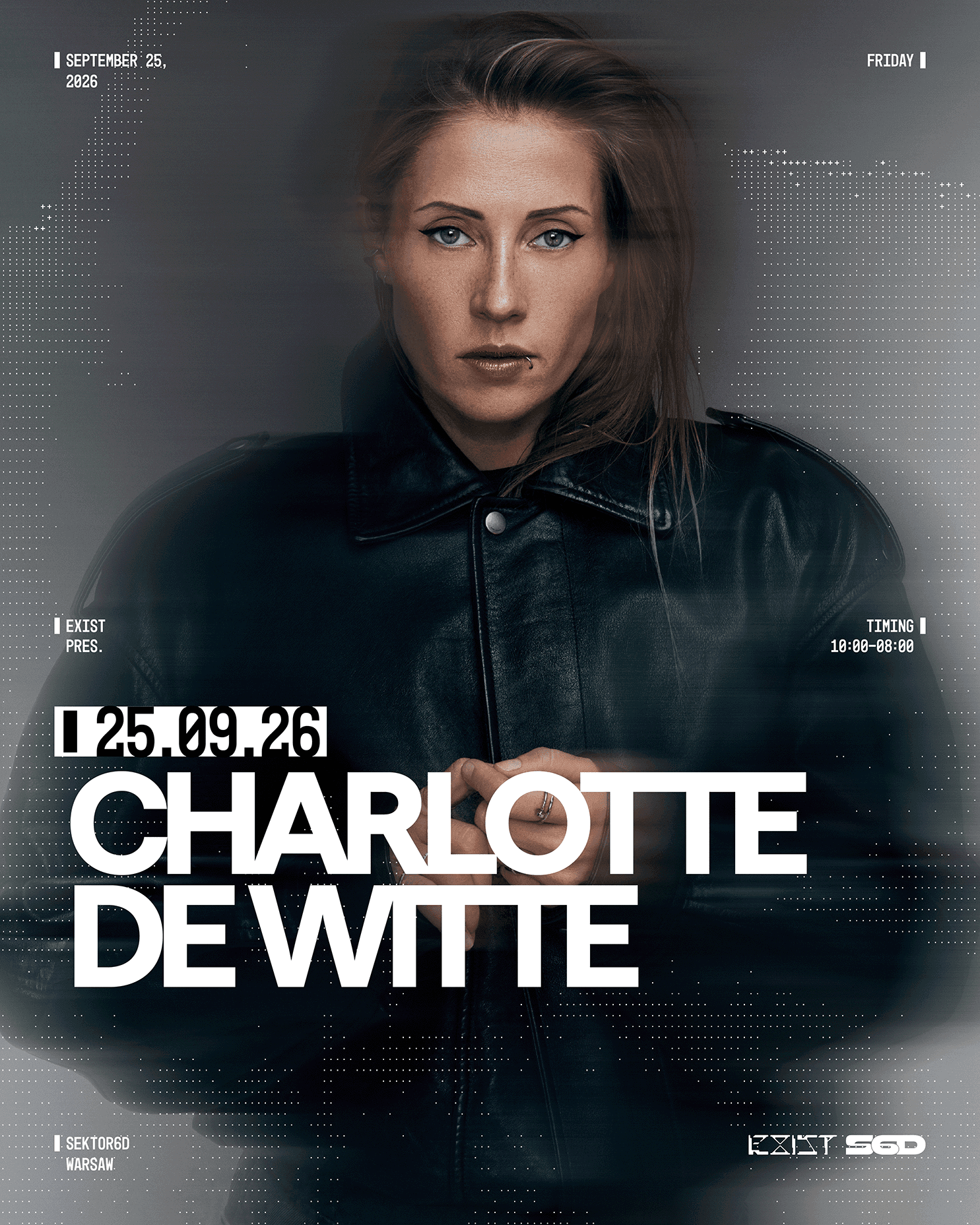
The recent edition of the Sónar festival, held this June at the imposing Fira Gran Via venue in Barcelona, has once again consolidated itself as the global epicenter of electronic music, creativity, and digital innovation. In a year marked by the redistribution of spaces and the integral connection between daytime and nighttime programming, Friday night stood as the absolute climax for rhythm purists. The immense SonarClub pavilion, structured to house fifteen thousand souls eager for intensity, was the stage chosen for one of the most transcendental moments of the day. The Belgian producer and DJ Charlotte de Witte took absolute control of the booth to deploy her new audiovisual show, appropriately christened 'The Resistance'. This format was not limited to being a display of technical skill, but was articulated as a profound ideological vindication in defense of the scene's foundations.
Throughout a raw, hypnotic, and uncompromising session, characterized by high-octane dark techno, the artist imposed an iron grip on the dance floor. But beyond the impeccable musical selection and the millimeter-precise equalization, she took advantage of the magnitude of her platform to issue an inescapable visual manifesto. On the immense LED screens that framed the stage structure, a phrase was projected constantly, pulsing to the beat of the bass and becoming the definitive mantra of the Barcelona early morning.
Protect Club Culture
— Charlotte de Witte
The dance floor as a refuge and trench
The plea from the influential artist and founder of the record label platform KNTXT lands at a moment of maximum tension and inflection for the music industry. The directive projected behind her did not function as a simple aesthetic resource to accompany the visuals, but as an imperative call to action to safeguard the physical, safe, and communal spaces where the underground ecosystem forged its identity. Faced with the growing institutionalization of nightlife, the systematic closure of historic venues throughout Europe, and the massive commercialization of dance genres, the artist from Ghent advocated for resistance. She defended the dance floor not only as an area for recreation, but as a sociological refuge, a legitimate way of understanding life, weaving community, and escaping contemporary alienation.
On a strictly sonic level, the architecture of her set backed this philosophy with calculated and relentless aggression. Far from opting for complacent melodic developments or commercial drops, the session navigated through high BPM terrain, abrasive modular synthesis, and industrial-cut textures. To this were added precise breakbeat counterpoints that broke the linearity of the four-on-the-floor kick drum, maintaining the psychological tension of the audience at all times. The immense mass of attendees, immersed in an environment of high thermal and sonic density that recalled the primal raves, responded with absolute devotion to the rhythmic commandments. This level of commitment empirically demonstrated that, despite ephemeral trends, the demand for the most purist, physical, and visceral techno remains intact at the major events of the international circuit.
The weight of activism at the summit of the industry
It is both paradoxical and fascinating that it is precisely one of the most sought-after and media-savvy figures on the international electronic scene who decides to raise the flag in defense of the roots of clubbing. Leading the main stages of titanic macro-events grants unprecedented global visibility, but it also carries the inherent risk of diluting the original and subversive essence of the genre. However, Charlotte de Witte's strategic move at Sónar 2026 confirms that it is perfectly feasible to inhabit the elite of the music industry without renouncing the rawness of its origins. Using the loudspeaker of a festival that brings together thousands of people of multiple nationalities to issue a message of cultural preservation is an act of undeniable artistic responsibility.
By transforming a set of massive proportions into an act of awareness and resistance, a vital precedent is established for new generations of producers, promoters, and attendees. Club culture, born in dark basements of post-industrial cities and forged on the margins of traditional commercial circuits, requires these monumental reminders now more than ever. The intervention at Sónar leaves a clear lesson: electronic music is, at its purest core, a refuge of collective freedom and sonic experimentation that demands to be actively protected against the relentless dynamics of fast consumption.