
The leap from electronic music to the academic elite
The prestigious Eastman School of Music, part of the University of Rochester, has officially launched its new Bachelor of Music (BM) degree in Music Creation and Technology. Leading this ambitious academic project is Dr. Dennis DeSantis, former head of music learning at Ableton and a key figure in the development of industry-standard tools such as the Ableton Live software and the Push controller. With this move, the institution seeks to integrate electronic music and the use of technology as formal instruments within higher education.
The program, which is currently in the recruitment phase for its first class scheduled to begin in the fall of 2027, marks a turning point in conservatory education. DeSantis, who is also an alumnus of the institution, returns to lead a curriculum designed specifically for students whose primary path of musical expression lies in digital ecosystems, moving away from purely acoustic paradigms.
The legacy of Ableton and cutting-edge pedagogy
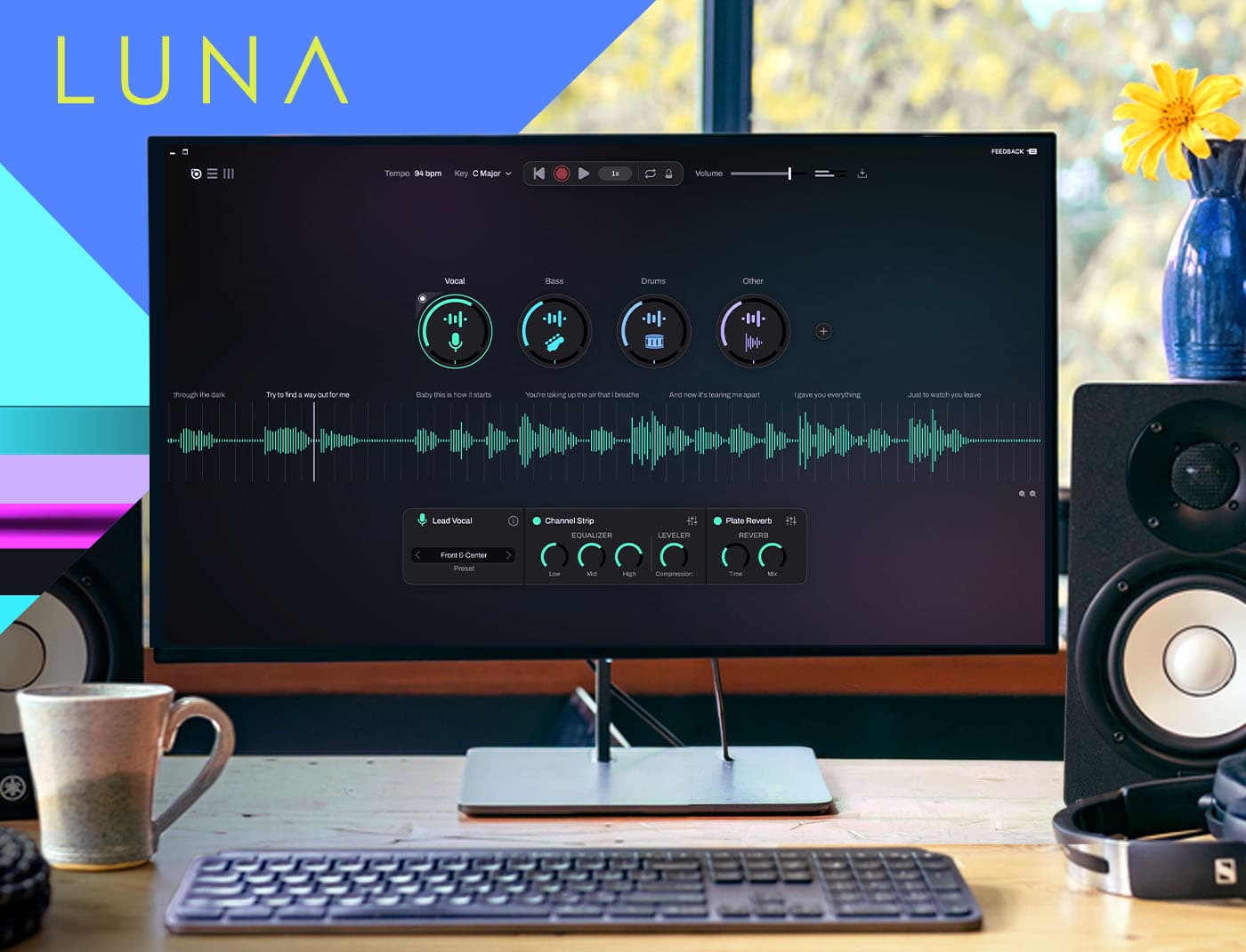
Before taking on this role, Dennis DeSantis left an indelible mark on the music software industry during his time as head of learning at Ableton. At the German company, he was the architect behind pioneering interactive platforms such as Learning Music and Learning Synths, tools that democratized access to the fundamentals of synthesis and rhythmic sequencing globally. Likewise, his contribution to the design of production interfaces redefined the workflow in contemporary studios. His book, Making Music: 74 Creative Strategies for Electronic Music Producers, has become mandatory reading in academies around the world, a literary and technical background that will now form the theoretical core at Eastman.
Synthesizers, DJing, and code in the classroom
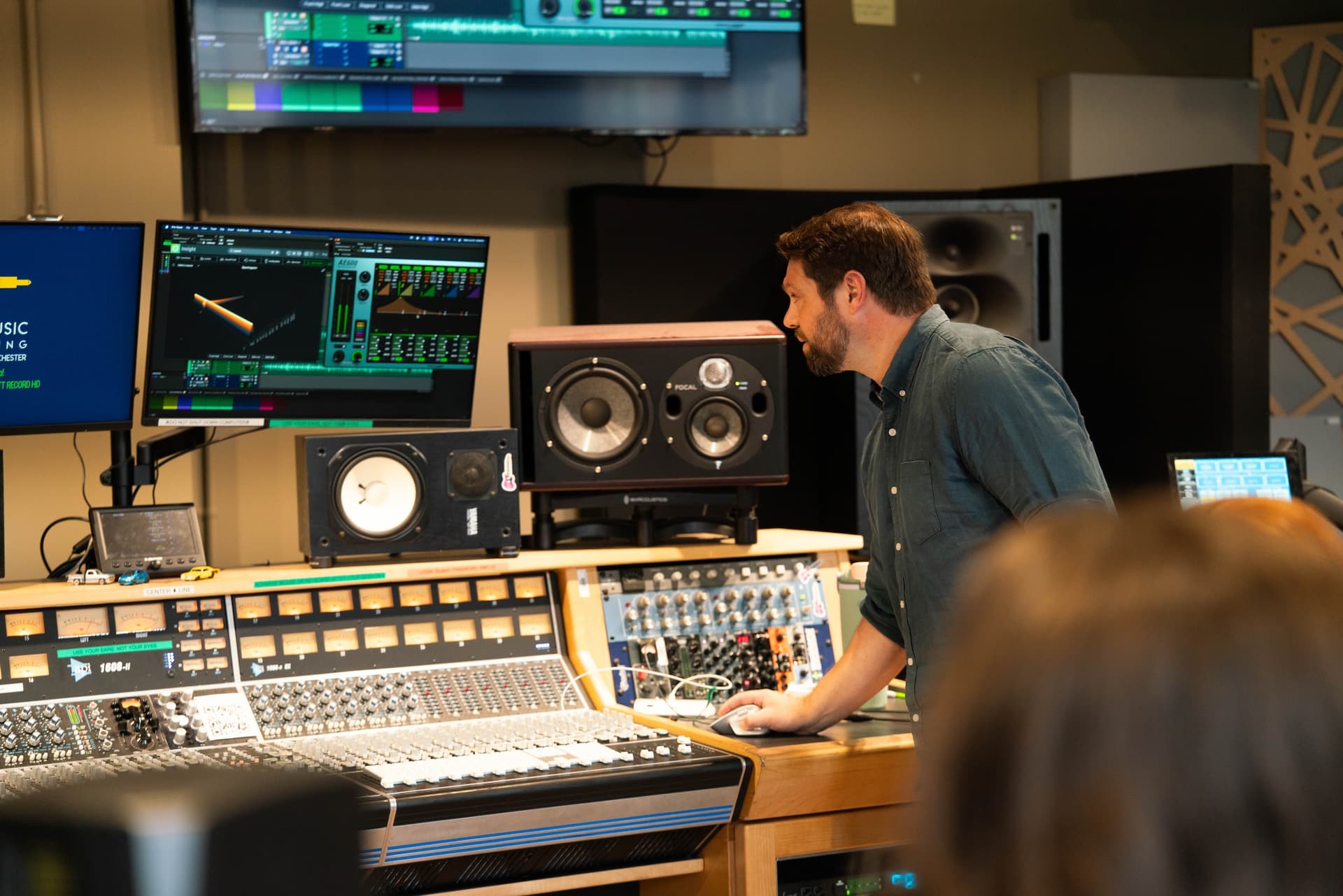
The curriculum of the new degree breaks with traditional conventions by combining the rigorous theoretical training of a historic conservatory with purely technical disciplines. Students will move between the music studios of the Eastman School of Music and computer science and audio engineering classes on the main campus of the University of Rochester. This synergy is part of SoundSpace, a transdisciplinary initiative in collaboration with the Hajim School of Engineering and Applied Sciences, conceived to be an epicenter for research and performance.
- Advanced electronic music production and performance.
- Sound design, field recording, and audio editing.
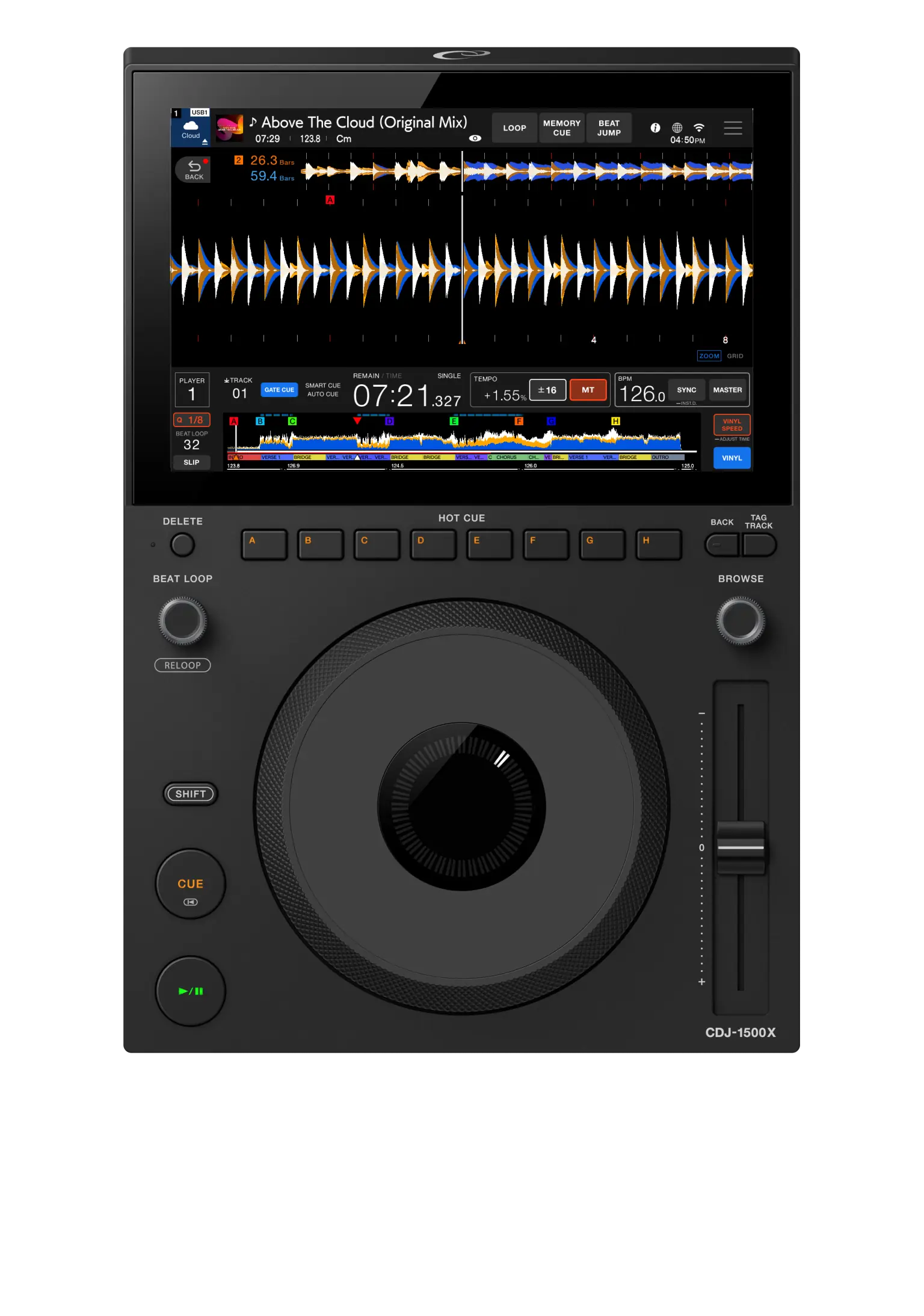
- The art of DJing and its historical-cultural context.
- Software and hardware development, including programming in visual environments like Max/MSP.
This program invites students to explore new ways of creating and experiencing music with technology. They will make music using a range of modern tools, but they will also learn to think critically about them and to build new ones that push the boundaries of what is currently possible.
— Dennis DeSantis
An institutional milestone for club culture
The appointment of a profile like DeSantis underscores the maturity of the electronic sector. In addition to his educational work, his artistic career includes releases on cult labels in the techno and experimental electronic scene such as Ghostly International, Cocoon Recordings, and Kanzleramt, as well as performances in clubs and festivals across North America, Europe, and Japan. His pedagogical vision emphasizes that, in the face of imminent technological disruptions like generative artificial intelligence, future creators should not passively rely on the default parameters of their tools, but rather question, disassemble, and reprogram them to their advantage.
With the opening of this Bachelor of Music, whose information sessions are already underway for the 2027 enrollment, the institution not only validates electronic production as an academic discipline of the highest rigor, but also establishes a direct bridge between acoustic engineering and avant-garde sound art. The figure of the producer and DJ ceases to be an isolated entity to become a professional with comprehensive training, prepared to lead and shape the landscape of the future music industry.