
Elgato Stream Deck and its evolution in the DAW environment
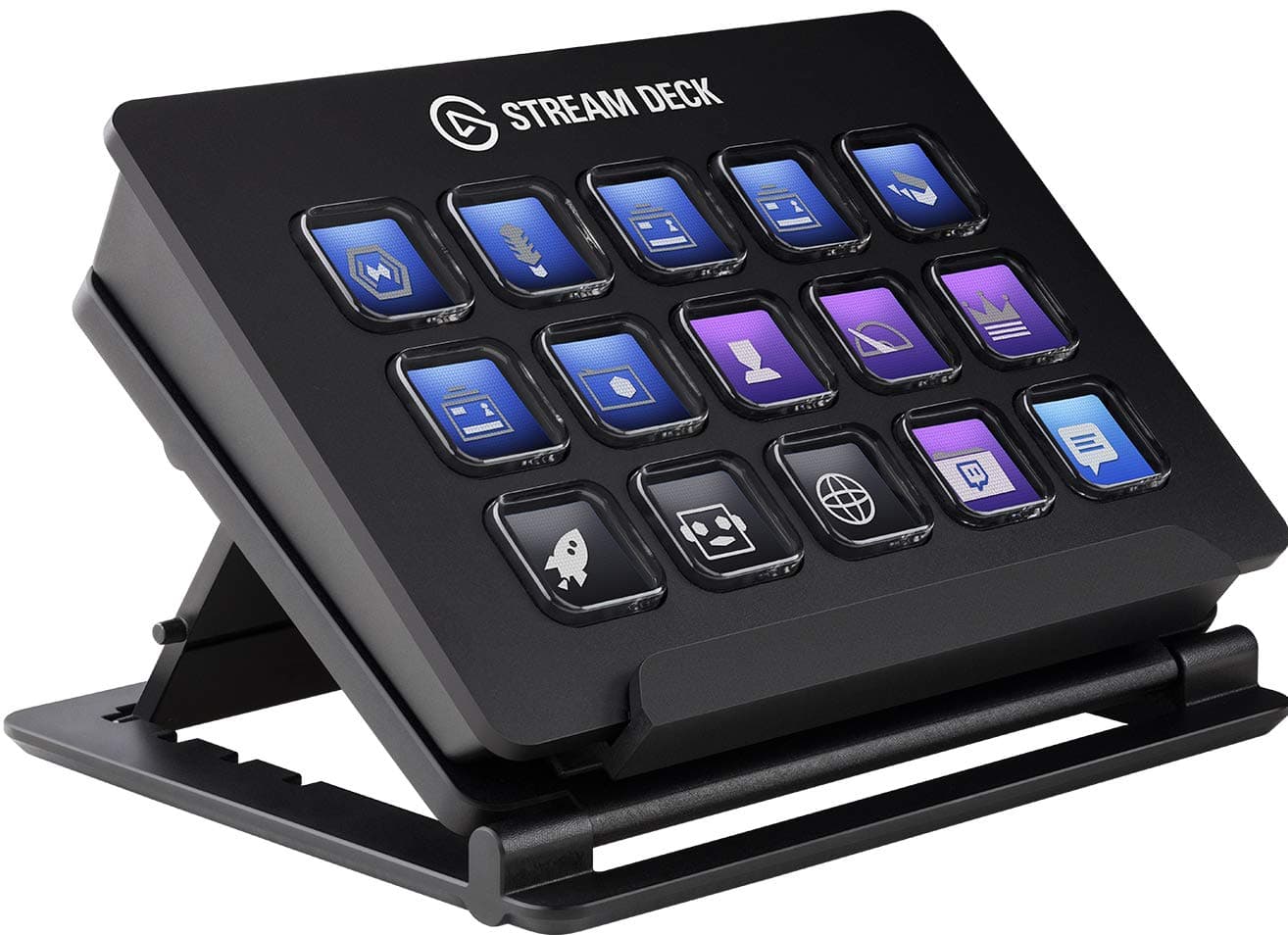
The music production ecosystem is in constant transformation, and tools originally designed for the video streaming world are finding a privileged place in professional sound studios. Recently, the popular desktop device Elgato Stream Deck, famous for its interactive color keys, miniature LCD screens, and highly customizable shortcuts, has solidified its position as an essential accessory for electronic music producers. The ability to execute complex commands with a single touch has attracted mixing engineers, live performers, and sound designers who are constantly looking to optimize their workflow without relying exclusively on traditional keyboard shortcuts or conventional MIDI controllers that sometimes lack clear visual feedback.
Granite Coast Studio: Tactile control and real-time feedback
In this context of technical innovation, the firm Granite Coast Studio has taken a step forward with the launch of "REAPER Live Control," a native and highly detailed integration designed specifically for the Cockos Reaper DAW. Presented earlier this month, this tool transforms the Elgato device into a high-end tactile control surface. According to official information provided by the developers, the main goal of this project is to replace the usual and tedious configuration of hotkeys, MIDI mappings, and OSC protocols, offering instead direct action discovery and live project status.
The plugin stands out for loading Reaper's action list directly, which includes both native commands and custom scripts, automatically reading track icons and software toolbars. Furthermore, it provides immediate visual feedback on transport status—play, pause, stop, and record—as well as crucial project information such as song position, beat, tempo (BPM), and time signature. Advanced functions like Tap Tempo, volume and pan control, and track arming for recording (Mute, Solo, Record Arm) are integrated fluidly, providing a tactile experience that rivals dedicated mixing consoles.
The goal is to replace the usual layer of hotkeys, MIDI, and OSC configuration with direct action discovery and live status.
— Jason, developer at Granite Coast Studio
Technical specifications and system compatibility
For professionals immersed in the Cockos Reaper ecosystem, a software known for its extreme customization and efficiency in CPU resource consumption, the technical architecture of this new integration is fundamental. The tool has been developed from scratch to operate frictionlessly on both macOS systems and Windows environments, supporting standard installations and the popular portable versions of the DAW, widely used by engineers who travel between different recording studios.
- Full compatibility with the most recent hardware versions, requiring the Stream Deck software version 6.9 or higher to ensure system stability.
- Automatic detection and bidirectional synchronization of icons and custom colors directly from Reaper's graphical interface, maintaining the visual coherence of the project.
- Comprehensive support for track bank navigation, allowing the management of large-scale sessions with hundreds of channels, a common practice in the production of complex genres like techno, trance, or house.
- Deep integration of third-party scripts, one of the most valued features by the dedicated community of advanced Reaper users, facilitating the execution of destructive editing macros and signal processing.
A silent revolution in the modern studio workflow
The foray of peripherals like the Stream Deck into the field of electronic music production represents a paradigm shift in studio ergonomics. While traditional controllers based on faders and potentiometers remain vital for automation and fine mixing, the need to execute complex macros, FX chains, and quick routing configurations demands more agile solutions. The proposal from Granite Coast Studio not only lowers the technical barrier for new producers but also drastically accelerates the pace of work for veteran engineers.
By eliminating the need to memorize hundreds of keyboard commands and offering constant, reliable visual feedback, this integration allows the artist's mental focus to remain uninterrupted on creativity and sound design. In a recording industry where execution speed, efficiency in mixing sessions, and technical precision dictate the standard of commercial quality, tools that effectively bridge the gap between mass-market hardware and professional audio software are redefining the rules of the game regarding what it means to build and operate a contemporary production studio.