

The artist's dilemma in the face of industrial hegemony
In the contemporary electronic scene, the technological standardization of DJ booths has reached a tipping point. Recently, a debate originating in the official DJ community on social platforms has brought an uncomfortable reality to the table: the stigma associated with using hardware considered outside the norm in high-profile professional environments. The central testimony comes from an international artist who, after more than a decade in his career, faces logistical scrutiny for using a humble Traktor S2 controller instead of the omnipresent CDJ ecosystem.
This producer, who defines himself in the circuit as an "accidental DJ," has taken his gear on tours across Europe, Asia, and Australia, opening for artists in venues with capacities exceeding 10,000 people. His technical setup is as unusual as it is effective against current standards: a Traktor S2 over ten years old, F1 modular controllers on the sides for sample handling, an Audio 4 sound interface, and a 2012 computer. All of this is compactly integrated into a custom flight case that allows him to operate autonomously.
On my S2, I am faster and more precise than I would be on anything else. I can use it with my eyes closed; if I feel the crowd needs a change, I can select and prepare the next track in less than 10 seconds.
— Original testimony from the artist on the r/DJs forum
The logistical pressure of streaming formats and modern clubbing
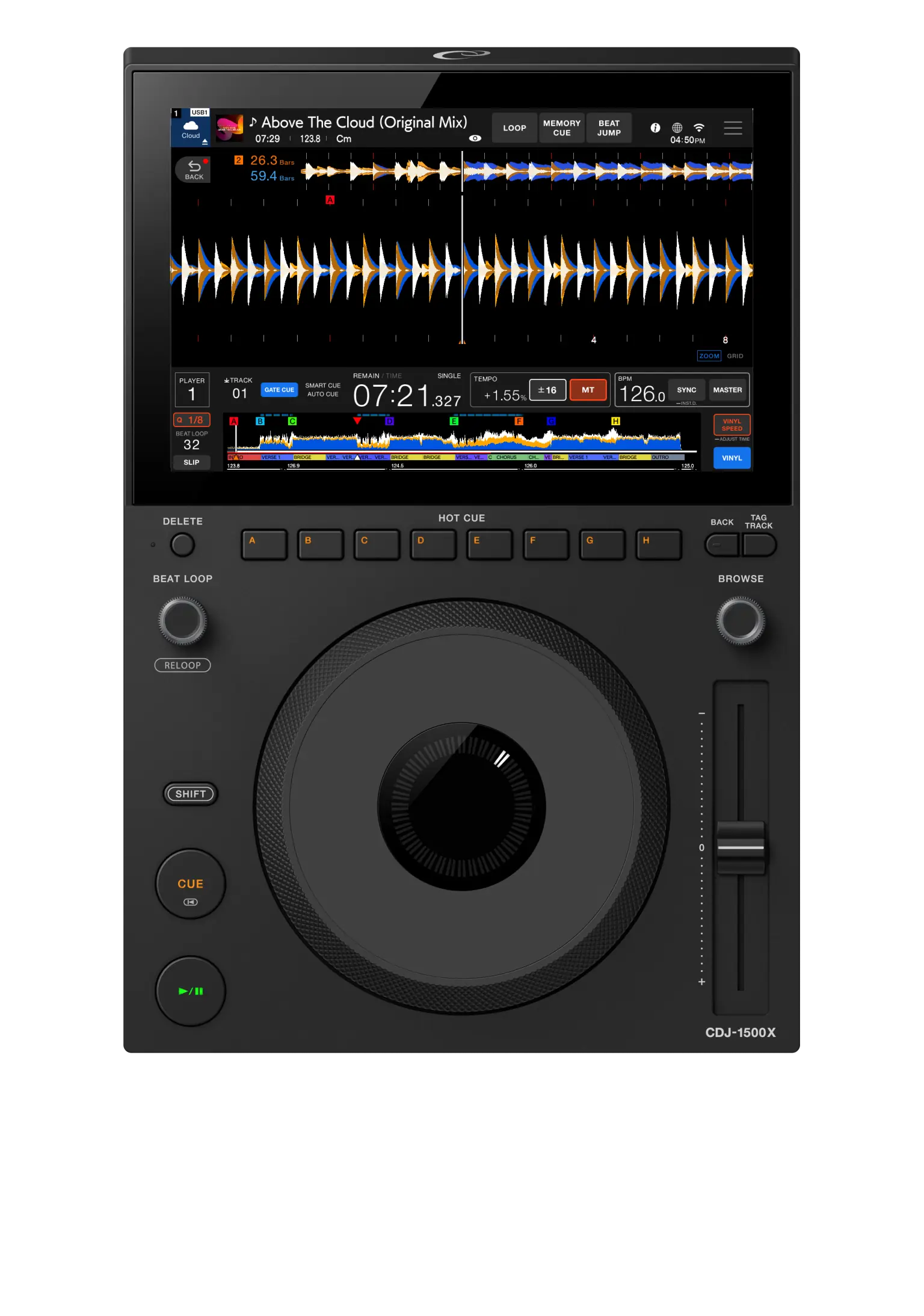
The core of the problem exposed does not lie in sound quality or the selector's technical ability, but in visual perception and logistical fluidity. In the current era of clubbing, heavily influenced by continuous format events and live broadcasts like Boiler Room, transitions between artists must be millimeter-perfect and visually impeccable.
- Interruption of stage flow: Requesting additional space on the table for an external controller breaks the visual dynamics of the booth and forces the temporary removal of the resident equipment.
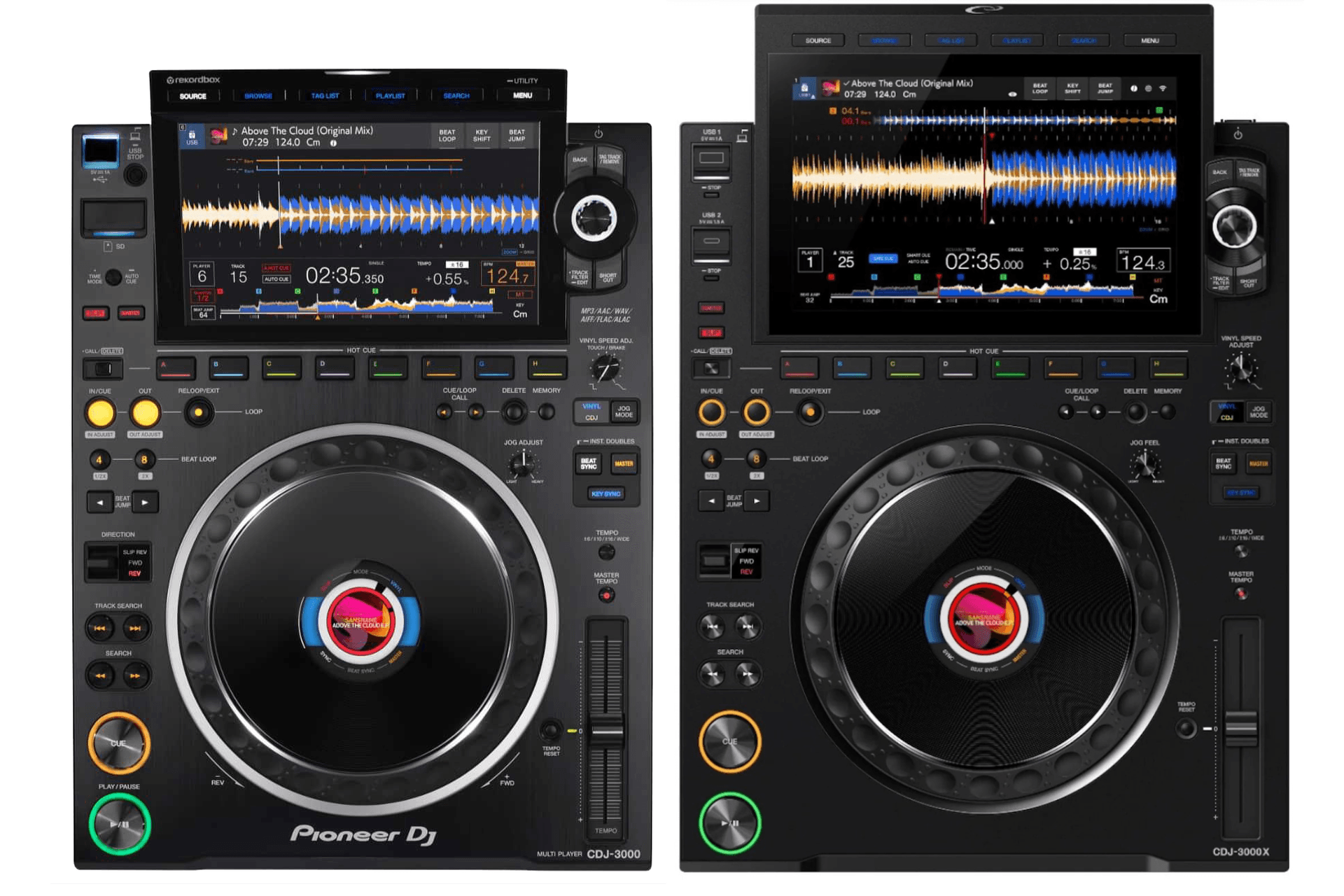
- Absolute standardization: The dominance of CDJ players forces sound technicians and stage managers to make real-time wiring adjustments if an artist deviates from the established technical script.
- Perception of professionalism: There is a cognitive bias in the industry that associates integrated controllers with beginner profiles, ignoring the millimeter-level skill that an advanced user can develop after thousands of hours of continuous use.
The protagonist of this event confesses to feeling significant pressure when communicating his technical requirements to promoters. The need to alter the predetermined setup often makes him feel like the link that slows down the event's production. However, his operational argument is solid: the muscle memory and execution speed he possesses with his Native Instruments hardware allow him to focus his energy on reading the dance floor and musical production, rather than spending months relearning a workflow that, in practice, would not improve his musical selection or his groove.
The aesthetic toll of operational validation
This situation exposes a fascinating dichotomy in festival culture. On one hand, the producer's originality, sound synthesis, and unique musical proposal are valued; on the other, strict technical uniformity is demanded to facilitate the event's audiovisual production. While vinyl purists or those with complex hybrid setups usually receive institutional validation for the visual spectacle they provide, the user of a compact controller faces the direct prejudice of simplicity.
Ultimately, this debate underscores how the industry standard has transcended its original function of facilitating collaborative work to become a filter for aesthetic validation. In the absence of greater flexibility in technical riders, artists who prioritize their personal workflow over the corporate norm will continue to face this logistical dilemma before stepping onto the stage.