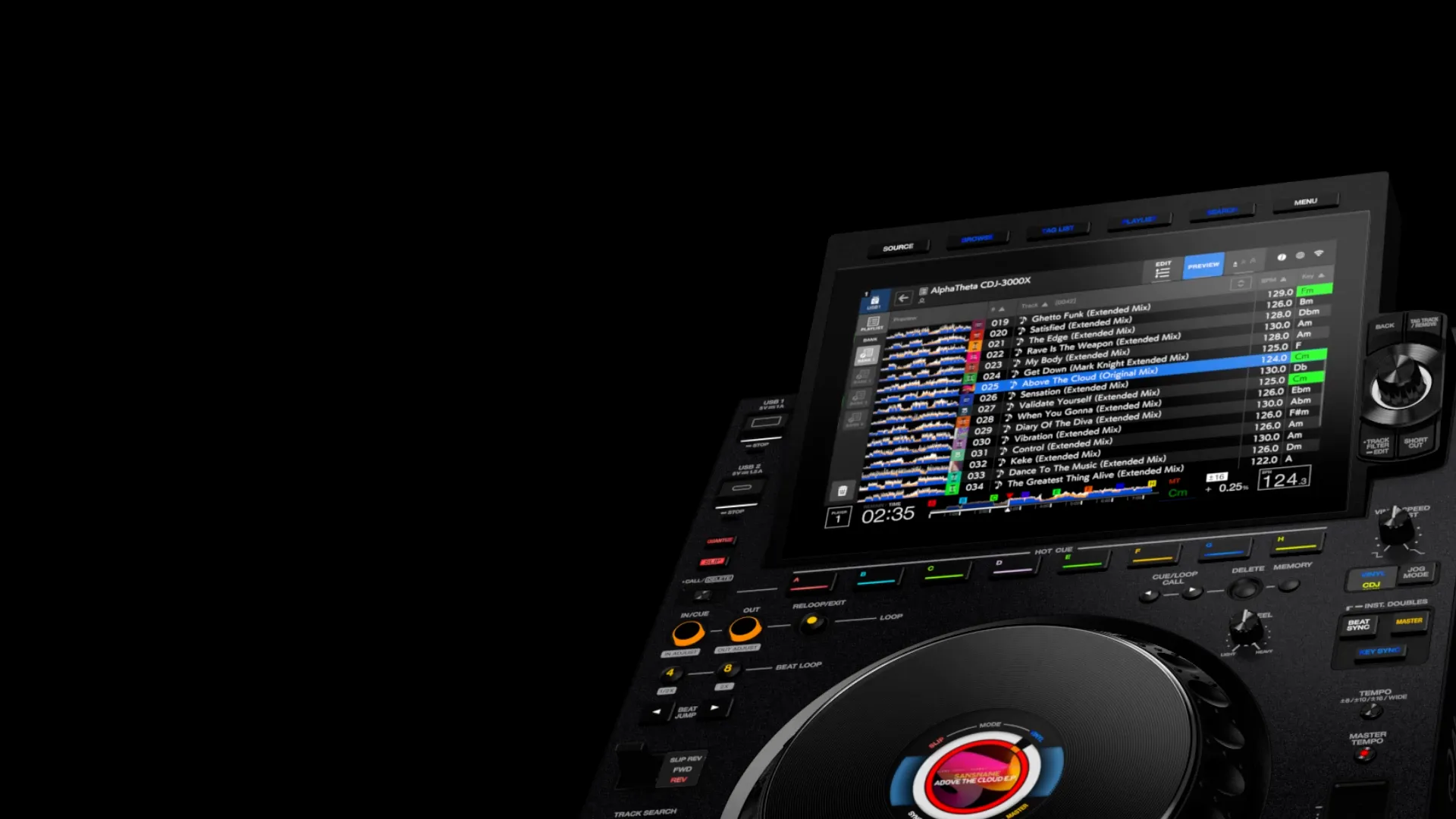

The collapse in the booth: when standard hardware does not respond
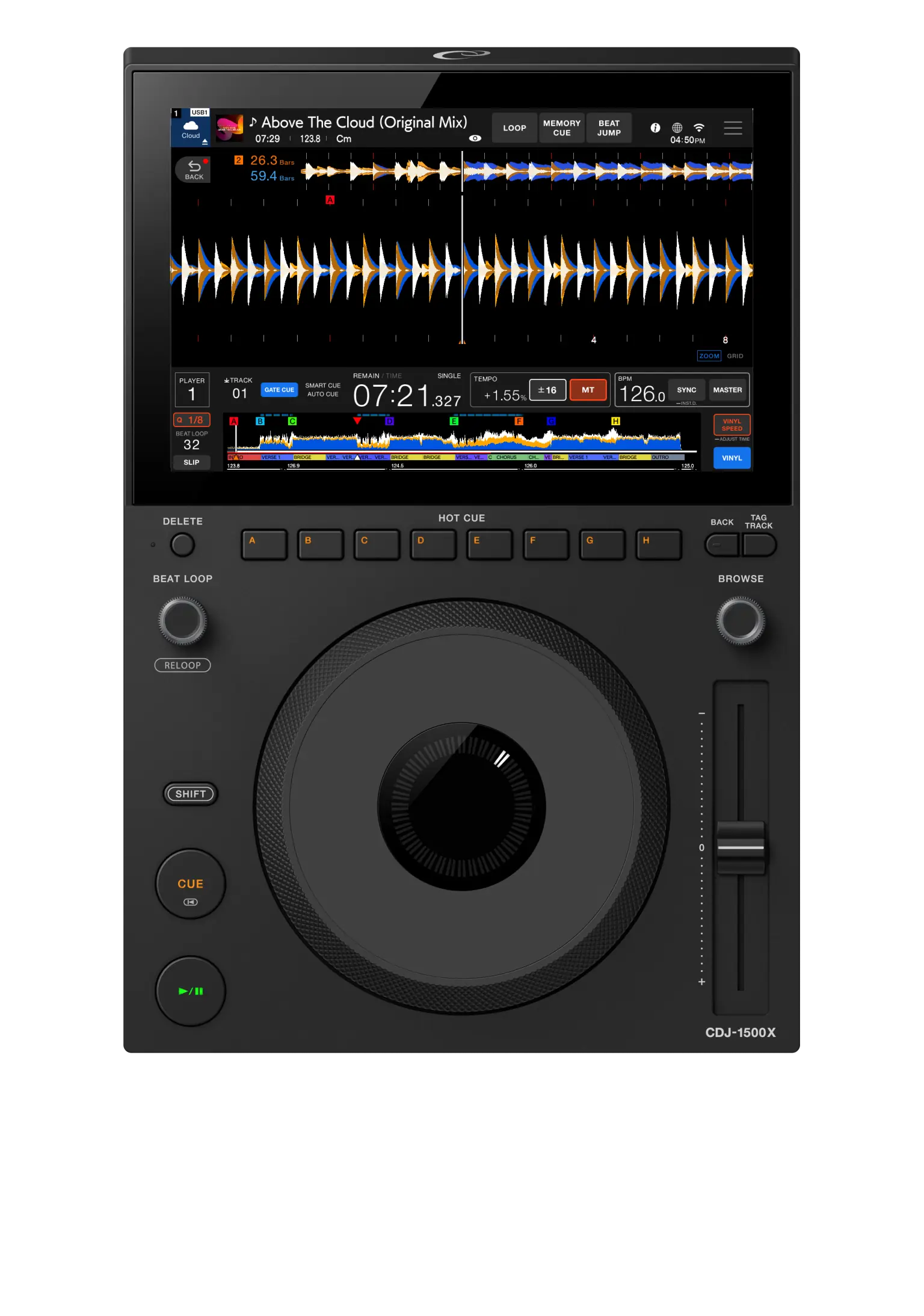
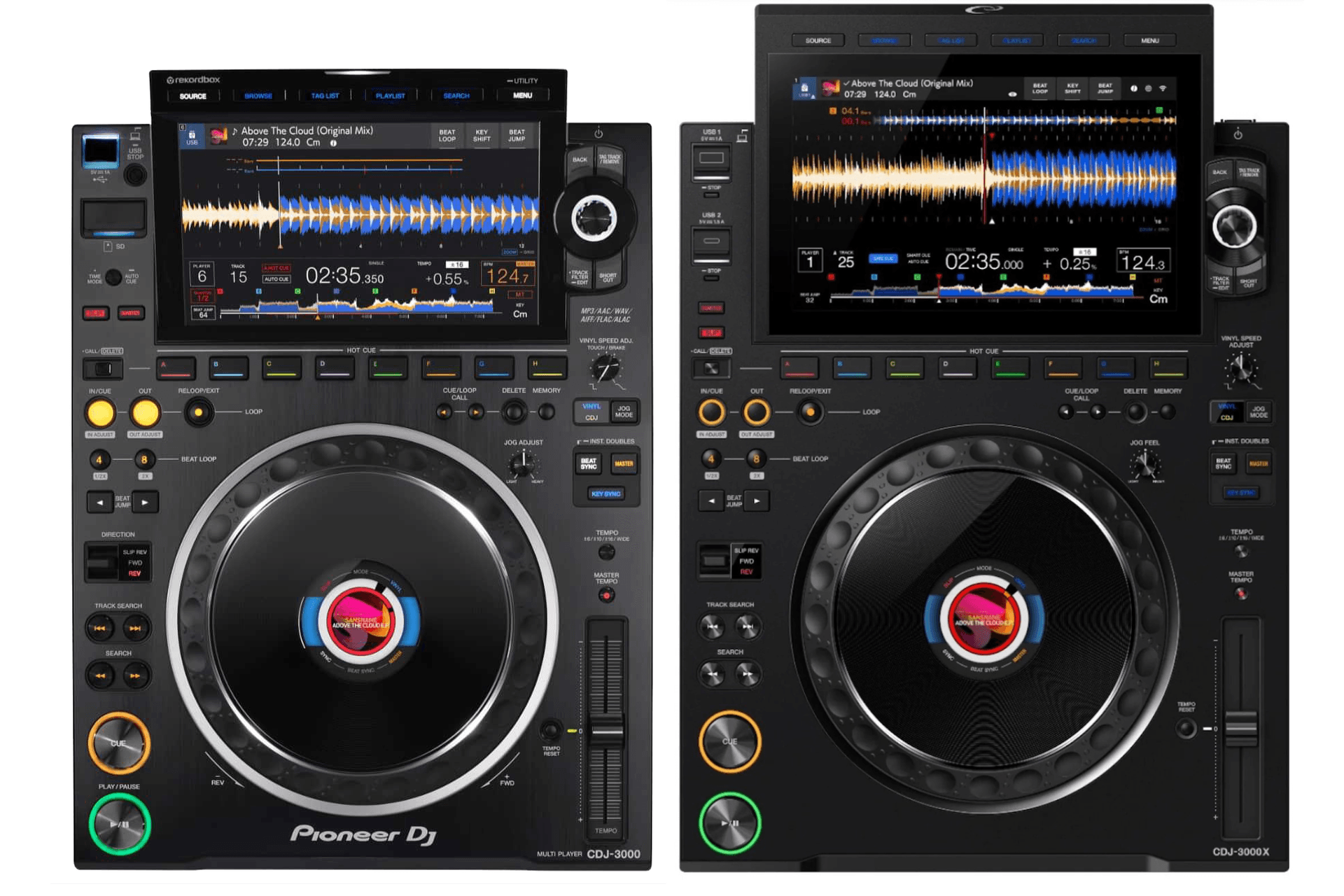
A DJ recently recounted their experience opening a festival stage. After meticulous preparation in Rekordbox and using a Samsung brand USB drive, the Pioneer DJ CDJ-3000 player displayed a flashing white light with no error code, making it impossible to read the tracks. Although the storage unit worked perfectly on home equipment like the XDJ-1000, the failure in the live environment forced an emergency set to be improvised. This incident is not an isolated case, but rather a reflection of a technical problem plaguing the electronic community in the middle of the event season.
The Rekordbox labyrinth: Device Library Plus and OneLibrary
The root of these failures often lies in AlphaTheta's database architecture. With the transition toward more complex ecosystems, the coexistence of formats has generated severe conflicts. CDJ-3000 players prioritize the 'Device Library Plus' format. If a flash drive simultaneously contains this new system and the old 'Device Library', the hardware may ignore the legacy format. Furthermore, the implementation of the universal 'OneLibrary' system has added a layer of complexity. Music library management experts like Mixmaster G have pointed out that, in many cases, the data is not deleted from the device, but rather the player is unable to read the export structure if it does not meet strict requirements.
The ghost of firmware 3.30 and high-profile failures
Reading problems in the CDJ-3000 ecosystem reached their critical point late last year when AlphaTheta released the 3.30 firmware update. This patch caused top-tier artists like Jaguar, VTSS, Samurai Breaks, Tiffany Calver, What So Not, and Of The Trees to face empty playlists in the middle of their sets. In the case of Jaguar, the artist reported that her main and backup memory sticks failed during her performance at the London club Drumsheds, managing to save the session only thanks to a four-year-old flash drive. The magnitude of the problem forced the parent company to withdraw the update and recommend that professionals 'downgrade' to version 3.20 to ensure stability on stage.
Formatting and prevention: the digital survival protocol
To mitigate the risks of a booth collapse, sound technicians and specialists recommend non-negotiable export protocols. The USB drive format is the first security filter. Standards vary drastically depending on the equipment to be used:
- FAT32 (MBR): Remains the safest standard to ensure backward compatibility with older equipment like the CDJ-2000NXS2.
- exFAT / HFS+: Offer greater stability and error correction, but should only be used if the technical rider exclusively ensures the use of latest-generation hardware like the CDJ-3000 or XDJ-XZ.
Likewise, it is imperative to verify that the export from recent versions of Rekordbox correctly includes the updated databases, avoiding unsafe extraction that corrupts read files.
The fragility of the professional electronic ecosystem
The absolute dependence on a single industry standard raises questions about technological resilience at large events. While media players have evolved with multi-core processors and high-resolution touchscreens, file management remains a critical bottleneck. The responsibility currently falls on the artist's technical preparation, who must act as a systems administrator, carrying multiple backups with different partition schemes. Until the software architecture achieves truly infallible integration, data redundancy will remain the only guarantee that the beat does not stop.