
Beyond the DAW: The Search for Sonic Authenticity
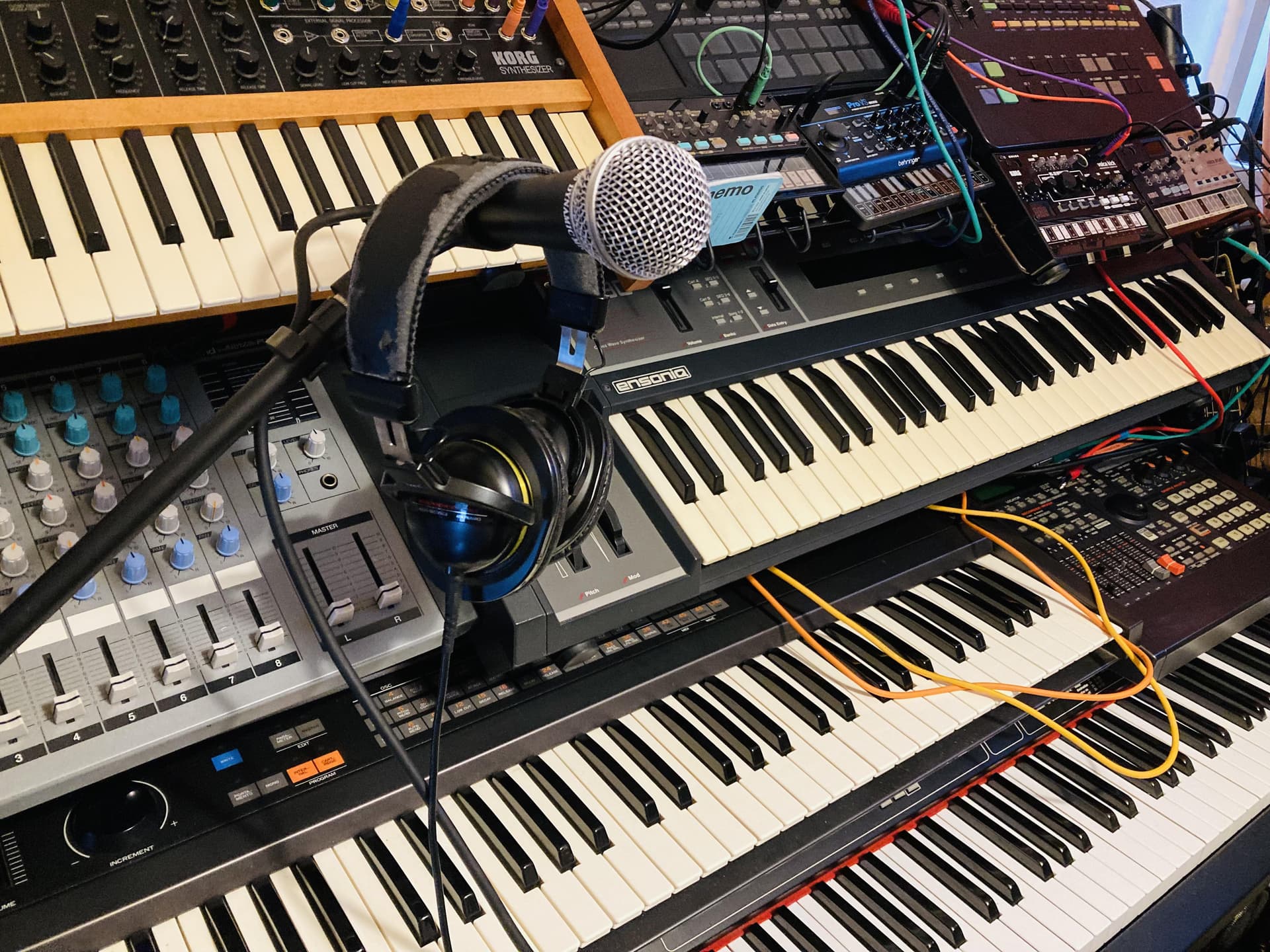
Electronic music production in 2026 is going through a period of unprecedented standardization, driven by the massive accessibility of digital audio workstations (DAWs) and the proliferation of AI-assisted plugins. However, as a direct response to this sonic homogenization, a significant sector of producers is actively seeking to break the paradigm by integrating unusual hardware into their studio setups. Alternative gear that prioritizes physical contact, unpredictability, and unconventional synthesis architectures is gaining vital prominence in the professional sphere, offering workflows that challenge the rigidity of the traditional grid and foster empirical experimentation.
Synthesizers and Controllers That Redefine the Studio
The recent proliferation of niche instruments demonstrates a clear industry interest in tactile interaction. Independent companies and boutique workshops have developed machines that combine analog heritage with cutting-edge control mechanics. During internationally renowned events like the Superbooth festival, the sector has witnessed the launch and consolidation of production tools that reject sterile interfaces in favor of creative friction. This trend underscores that advanced sound design requires interfaces that respond organically to human intuition.
- Melbourne Instruments Nina: This 12-voice polyphonic synthesizer stands out for being the first to incorporate fully motorized potentiometers. This technical feature allows for instant visual and tactile recall of presets, facilitating fluid transitions between patches and merging the warmth of analog sound with the undeniable precision of the modern digital workflow.
- Genki Katla: Directly inspired by the volcanic activity of Iceland, this high-end hybrid synthesizer offers a rotating voice architecture. Its signal path combines digital oscillators with analog filters, generating unpredictable textures, audio-rate modulations, and tape fluctuation effects (wow and flutter) ideal for cinematic sound design.
- Erica Synths Steampipe: Doing away with traditional oscillators entirely, this eight-voice unit uses advanced physical modeling to emulate the acoustic behavior of wind and string instruments. Designed in collaboration with 112dB, it allows for sculpting organic harmonics through the exhaustive manipulation of feedback loops and acoustic resonators.
- Yaeltex Live15: In the realm of software control, this device is presented as a massive mixing surface designed specifically for Ableton Live. Manufactured in Argentina with a robust wood and aluminum chassis, it provides absolute tactile control over 15 channels without the need for manual mapping, operating natively thanks to its custom remote script.
- Soma Enner: An experimental analog synthesizer that transforms the human body into an active component of the electrical circuit. By touching different metal contacts distributed on its panel, the performer alters the resistance and capacitance of the signal, generating unpredictable rhythms, crackles, and drone textures based on skin conductivity.
- Motor Synth MKII: Developed by the firm Gamechanger Audio, this unusual piece of gear generates sound using real electric motors instead of conventional electronic oscillators. It captures the electromagnetic fluctuations of the rotors to create dense bass lines and industrial-edged leads, providing a mechanical character impossible to emulate via software.
Separating strict technique from pure expression is vital to finding one's own sonic identity in a heavily standardized musical ecosystem.
— Max Cooper, producer and electronic artist
The Impact of Tactile Friction on Composition
The growing adoption of this unusual gear evidences a profound shift in mindset within the contemporary electronic music scene. By introducing mechanical friction and randomness into the creative process, producers are forced to listen more critically and rely less on the visual feedback of monitors. This partial disconnection from the computing environment results in compositions with a noticeably more human 'groove' and complex sonic textures. Far from being mere hardware eccentricities, these tools have established themselves as essential instruments for artists looking to sculpt a truly unique sonic signature and break away from the uniformity of the digital age.