
A sanctuary for subcultural memory
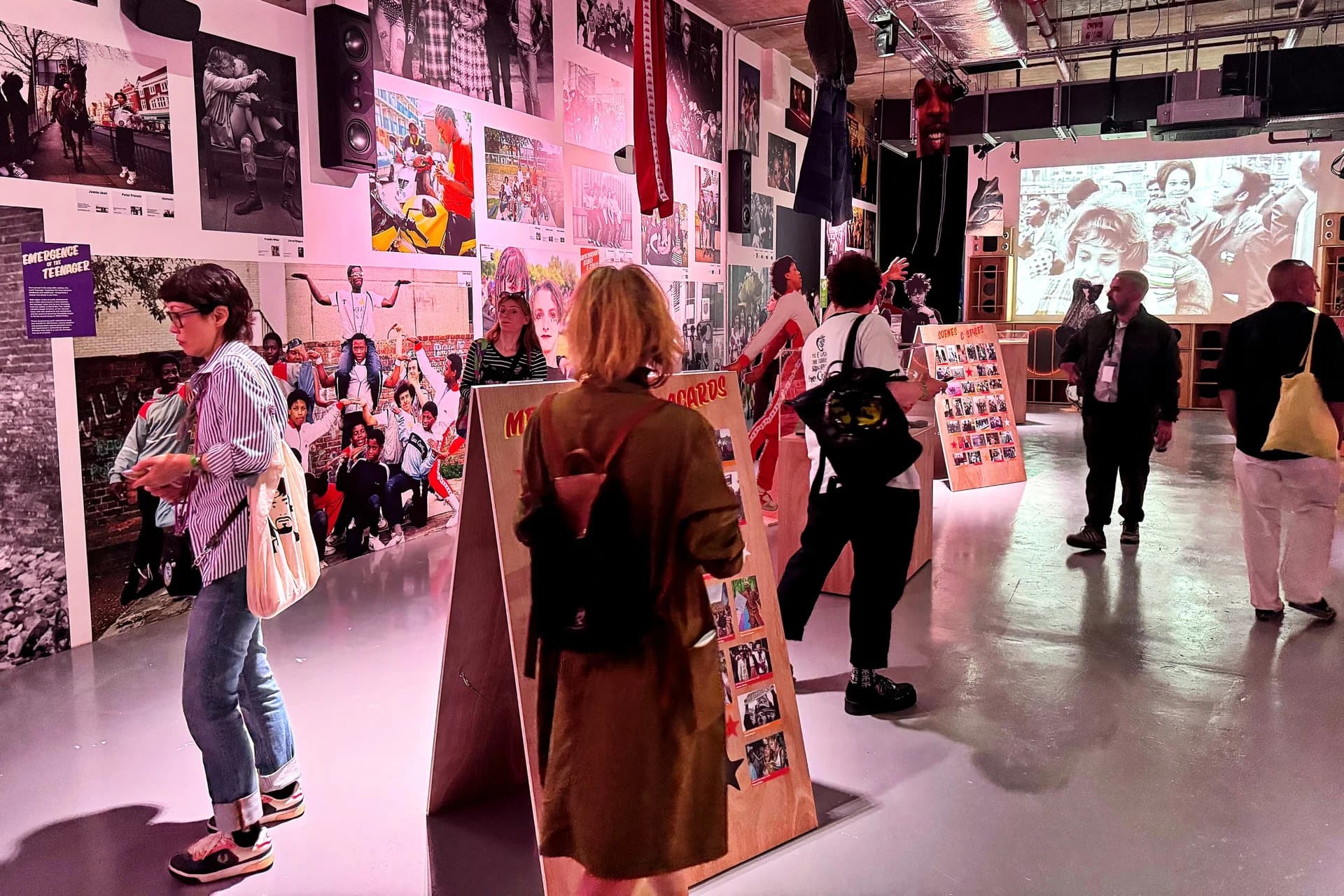
Recently, the city of London has marked a milestone in historical preservation with the official opening of the first Museum of Youth Culture. Located at the St Pancras Campus in Camden, specifically on Georgiana Street, this venue of over 600 square meters stands as the first permanent physical institution dedicated to documenting the impact of youth on modern society. After operating for nearly three decades as a digital and traveling archive, the museum is now welcoming the public with a vast collection of over one hundred thousand photographs, objects, and testimonies. The space offers an exhaustive journey through the evolution of British urban movements, giving undeniable prominence to the electronic scene, clubbing, rave culture, and the acid house revolution.
From the underground to institutional recognition
The project has its roots in 1997, when photographer Jon Swinstead, closely linked to the legendary publication Sleazenation, began collecting material from the postwar era. What was born independently in a garden shed transformed into the PYMCA archive, consolidating itself nationally in 2012 with the addition of researcher Jamie Brett. After opening as a public digital archive in 2015, the institution is now making the leap to a physical format, structuring its offering into three main galleries: two dedicated to the rotation of its immense permanent catalog and a free-access gallery intended for contemporary young creatives to exhibit their work.
The museum's curation stands out for its bottom-up approach, fueled by direct donations from the public. Among the pieces of incalculable sociological value are everything from an iconic original Sony Walkman with dual headphone jacks, to original flyers from clandestine raves of the nineties, signed school shirts, and welding masks from the punk era engraved with the word 'HATE'.
Artistic collaborations and immersive design
To enrich the in-person experience, the museum has integrated a series of commissioned works that reflect the vitality of subcultures and their close relationship with music:
- Sound installations: Audiovisual artist, DJ, and chair of the Notting Hill Carnival, Linett Kamala, has designed a custom sound system that dominates the main gallery, paying homage to dub culture, reggae, and the foundations of British bass.
- Vinyl curation: The iconic brand Rough Trade has meticulously selected a collection of records that spans eight decades of musical history, available directly in the venue's shop.
- Visual and playful art: The space features exclusive murals created by artist Mark Wigan, which capture the essence of hedonism on dance floors, in addition to a themed foosball table designed by Katie Town and inspired by various urban tribes.
The validation of clubbing as cultural heritage
The inauguration of this venue in Camden is not just a victory for historical preservation, but a statement of intent regarding the legitimacy of electronic dance music. For decades, subcultures born in abandoned warehouses and nightclubs were frequently stigmatized by authorities. Now, the Museum of Youth Culture institutionalizes the BPM, synthesis, and groove as fundamental pillars of social development. By documenting how the energy of dance floors forged inclusive communities and catalyzed political change, the space ensures that the rebellious and avant-garde spirit of club culture remains preserved for future generations.