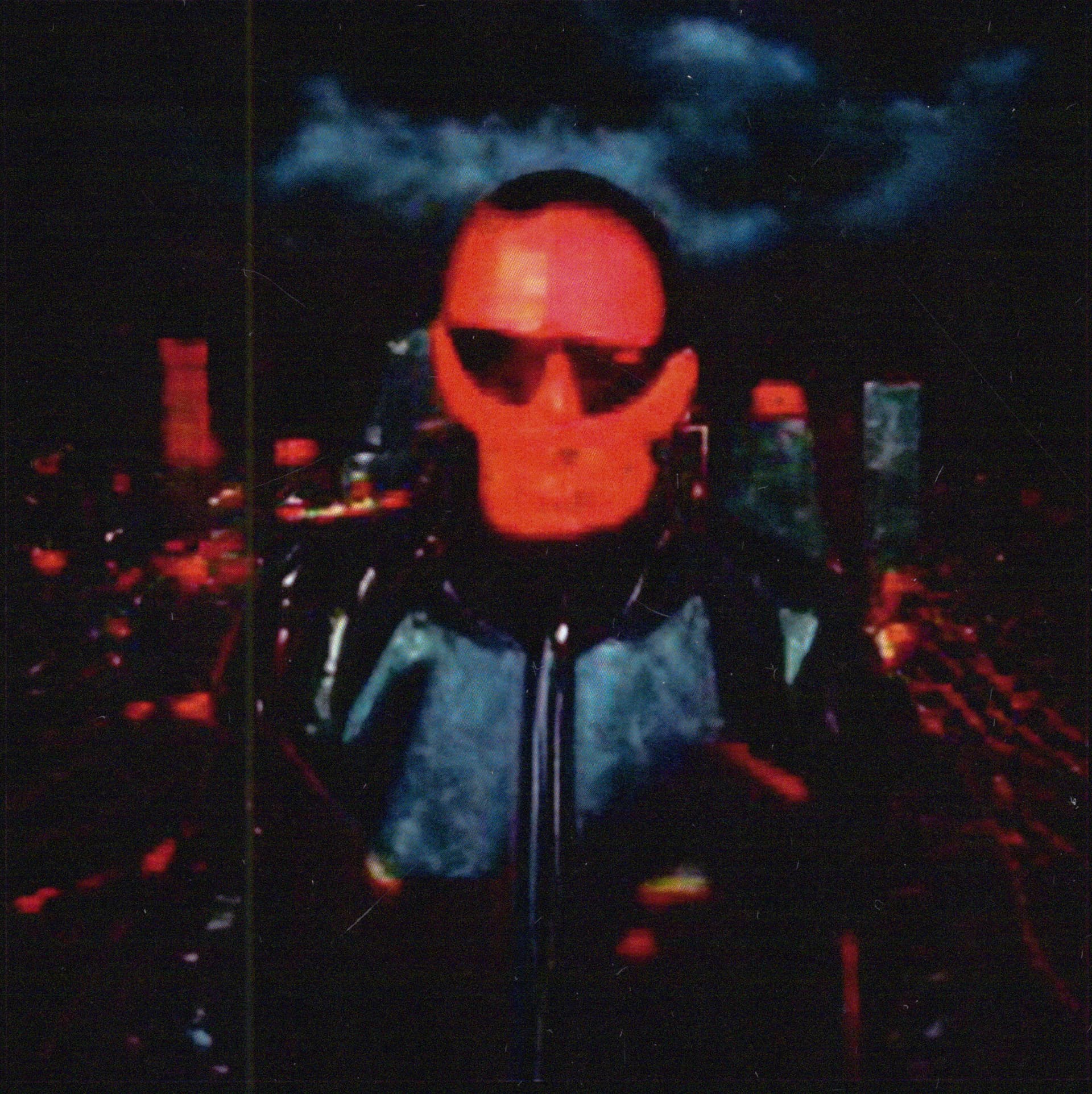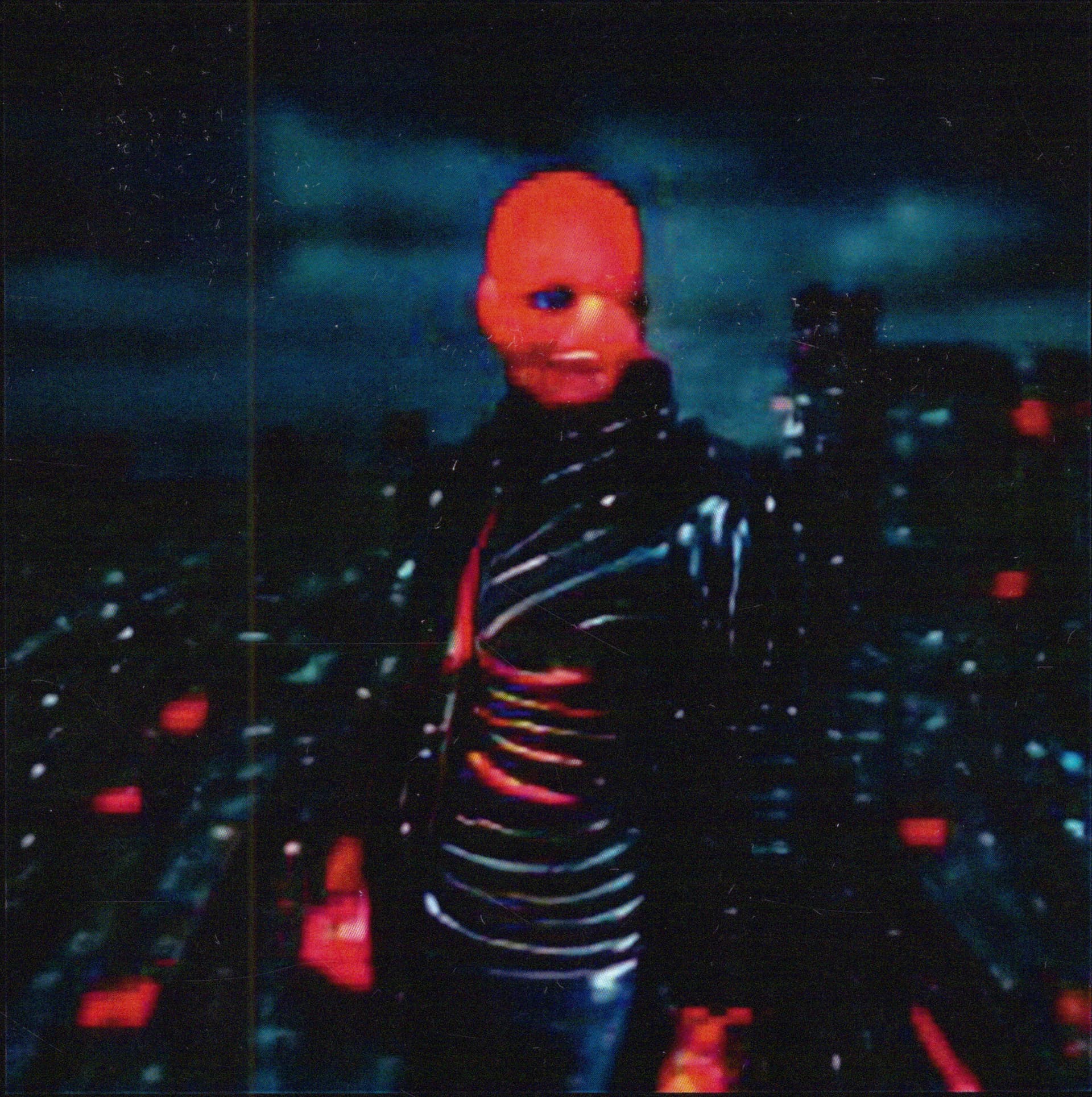


The dissolution of the barrier between the dance floor and the museum
For decades, official culture has maintained a relationship of distrust, if not open disdain, toward artistic expressions emerging under the shelter of the night and electronic synthesis. Club music, often stigmatized under the reductionist label of 'nightlife,' has operated on the margins of institutional recognition, building its cathedrals of concrete and smoke far from the spotlights of 'High Culture.' However, the recent awarding of the Gold Medal for Merit in the Fine Arts to the Madrid-based producer and DJ Oscar Mulero marks an ontological turning point in Spanish cultural policy. We are not facing a simple award; we are witnessing the definitive collapse of the wall that separated the acoustics of a rave from the acoustics of a symphonic auditorium.
The Ministry of Culture, in an exercise of contemporary lucidity, has recognized in Mulero not a 'mass entertainer,' but a vanguard creator whose work transcends the hedonistic functionality of dance to delve into the physical exploration of sound. By placing his name alongside those of playwrights, filmmakers, and visual artists, the State validates a thesis that specialized critics have been defending for years: techno, in its most purist and mental form, is the classical music of the 21st century, a discipline that demands the same compositional rigor, conceptual depth, and technical mastery as the traditional arts consecrated by the academy.
Techno is a form of abstract art. There are no lyrics, no stanzas, no choruses. It is pure texture, frequency, and repetition. It is the soundtrack of the industrial landscape that surrounds us.
— Oscar Mulero, interview for El País (Archive)
From the club The Omen to pictorial abstraction
To understand the magnitude of this recognition, it is imperative to analyze the trajectory of Oscar Mulero not as a succession of 'gigs,' but as a coherent and rigorous artistic evolution. Since his beginnings at the legendary The Omen in the 90s, where he acted as a catalyst for the entry of the European sound into Spain, Mulero has refined his sonic palette to reach an almost architectural minimalism. His work at the helm of Pole Group and his label Warm Up Recordings moves away from the immediacy of pop to embrace complex, dark, and cerebral structures that dialogue directly with movements such as architectural brutalism or the abstract expressionism of Mark Rothko.
In audiovisual projects like 'Monochrome' or 'Biolive,' Mulero has demonstrated that his natural habitat is no longer exclusively the club booth, but the hybrid space of art installations and vanguard festivals like Sónar or the L.E.V. Festival. His music, characterized by dense textures, hypnotic rhythms, and an oppressive yet strangely comforting atmosphere, functions as a sonic sculpture that alters the listener's perception of time and space. The Gold Medal, therefore, does not reward the 'party,' but Mulero's ability to generate profound aesthetic experiences through technology, elevating sound design to the category of invisible plastic art.

Start playback
Legitimization of a scene and the future of intangible heritage
The impact of this distinction reverberates far beyond the individual figure of the artist. It implies the legitimization of an entire generation of producers, promoters, and independent labels that have sustained the cultural fabric of Spanish electronica under often precarious conditions. By elevating techno to the pantheon of Fine Arts, the door is opened to a reconsideration of dance spaces as full-fledged cultural centers, deserving of protection and public support. It is a belated recognition of the global influence of 'Made in Spain' electronica, which exports talent to international temples like Berghain or Tresor with a solvency that other cultural sectors would envy.
The sound of concrete enters the palace
Ultimately, the image of Oscar Mulero receiving the Gold Medal symbolizes the triumph of perseverance and artistic integrity. In a market saturated with ephemeral proposals and extreme commercialization, Mulero has maintained an incorruptible, dark, and demanding discourse. That the State now embraces that darkness does not mean that techno has been domesticated, but that official culture has finally widened its focus to include the low frequencies that have defined the soundscape of the last three decades. Noise, organized with mastery, is now, officially, art.