
Integration of Foundational Models into the Splice Ecosystem
This Tuesday, May 19, the leading platform for sample distribution and production tools, Splice, made official a strategic partnership with the technology company ElevenLabs. The agreement's main objective is the development of a new generation of creative tools powered by artificial intelligence, whose architecture will be based on ElevenLabs' foundational audio models, specifically adapted for the environment and workflow of music producers.
Ethical Compensation and Technological Precedents
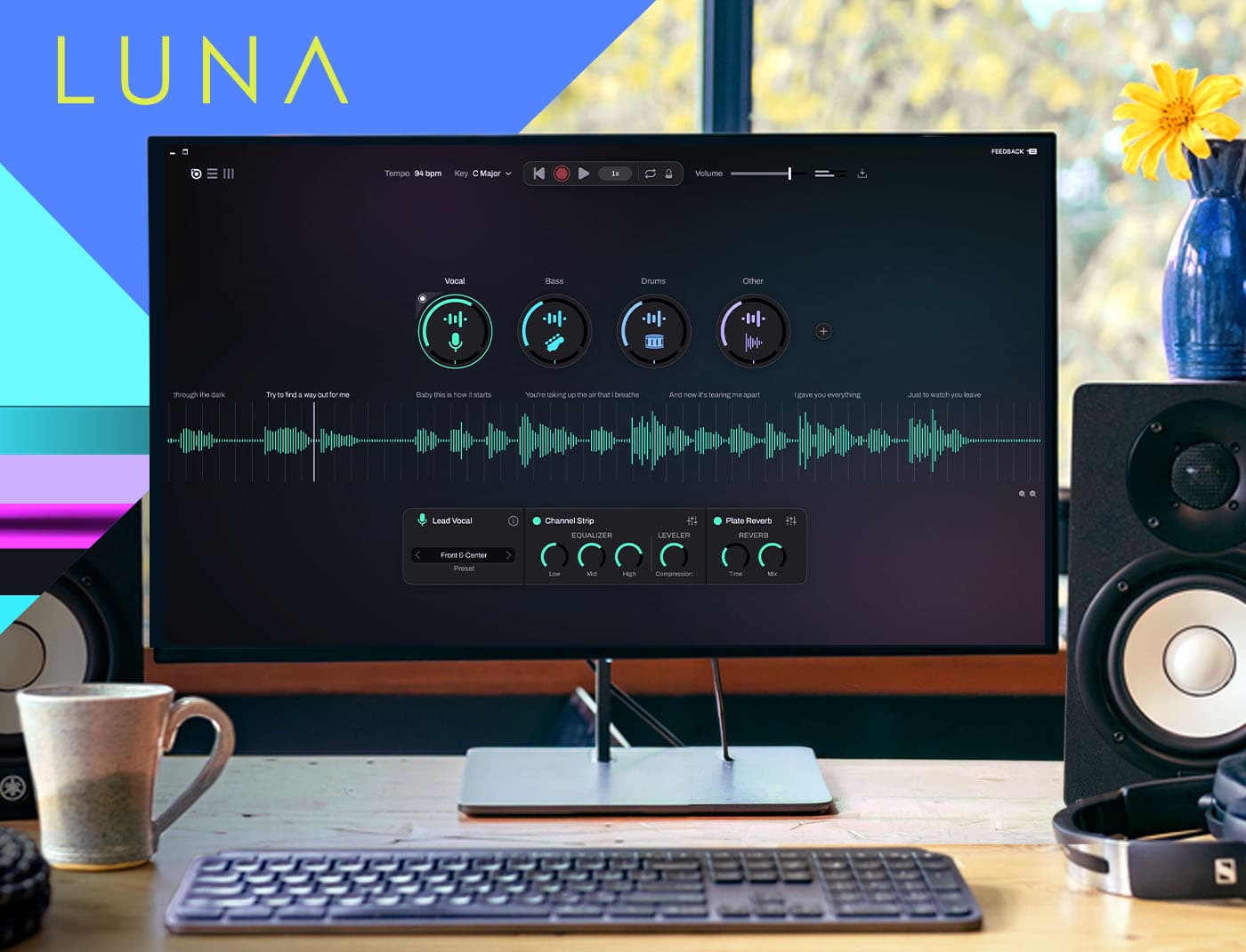
Splice's roadmap toward intelligent automation has recent precedents. At the beginning of 2026, the platform acquired the vocal production firm Kits AI, a move that preceded the introduction of native tools such as Variations, Craft, and Magic Fit. These plugins already allow for altering the BPM, structure, and harmonic context of sound samples. However, the corporate directive emphasizes that any algorithmic development will maintain a fair compensation system for original sound designers, distancing itself from the "push-button" generation model that prevails on other commercial platforms.
In this second wave of AI in music, the creator comes first. We are building responsible products from the ground up, and our partnership with ElevenLabs gives us access to powerful models to shape those experiences.
— Kakul Srivastava, CEO of Splice
For its part, ElevenLabs, initially recognized for its high-fidelity voice cloning and its Eleven Music platform, will provide an infrastructure capable of exporting results with professional standards. Mati Staniszewski, co-founder of the company, has assured that their algorithmic models offer studio-quality audio ready for commercial exploitation, integrating organically into the artists' usual sequencer without requiring external platforms.
The Paradigm of Sound Design in the Generative Era
The transition toward AI tools licensed and controlled by the artists themselves marks a turning point in the electronic industry. The collaboration between Splice and ElevenLabs reflects a maturation of the sector: generative technology ceases to be an unregulated threat to become an extension of traditional studio software. While waiting for the first joint products to be released later this year, the production scene is preparing for an ecosystem where algorithmic synthesis and copyright coexist in a structured way.