
A literary journey to the roots of the underground sound
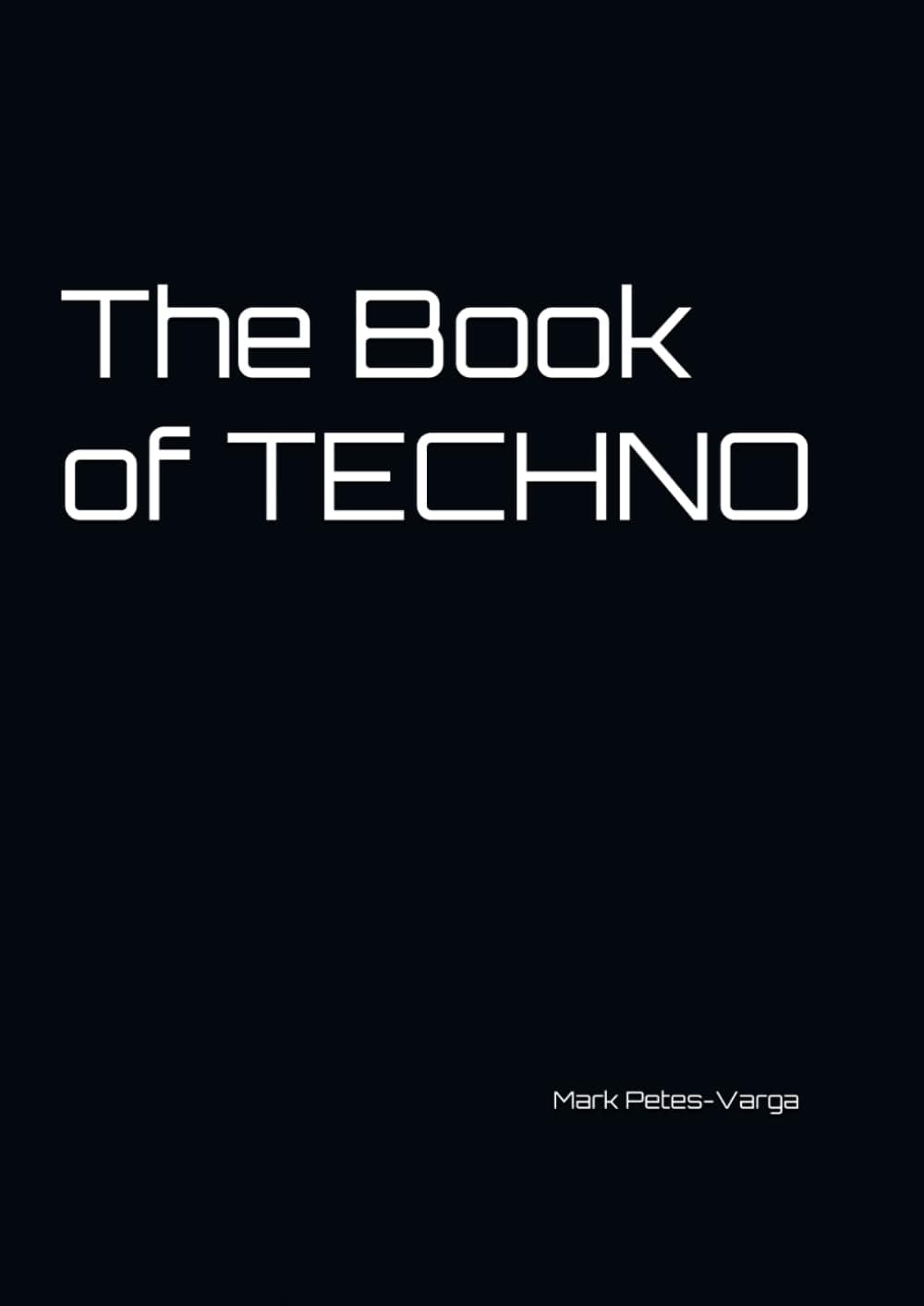
Contemporary music literature has added a fundamental piece for the understanding of club culture. Recently, author and researcher Mark Petes-Varga has published 'The Book of Techno', an exhaustive work that traces the historical, social, and sonic evolution of this genre. Already available in physical format through Amazon, the book is presented as a narrative encyclopedia that rigorously covers everything from the first electronic experiments in the late 1960s to the massive consolidation of the industry in the year 2025.
Far from being a simple collection of anecdotes or a catalog of releases, the publication approaches techno as an intergenerational and multifaceted cultural movement. In a current ecosystem where accelerated BPMs and saturated kick drums are often mistakenly confused with the essence of the genre, the author poses a clear thesis: historical memory is vital to avoid the dilution of techno's identity in the face of ephemeral commercial trends. The work seeks to rescue that volatile substance that runs the risk of being lost when a living scene begins to lose contact with its own roots and its marginal past.
From the cradle of Detroit to the expansion of global clubbing
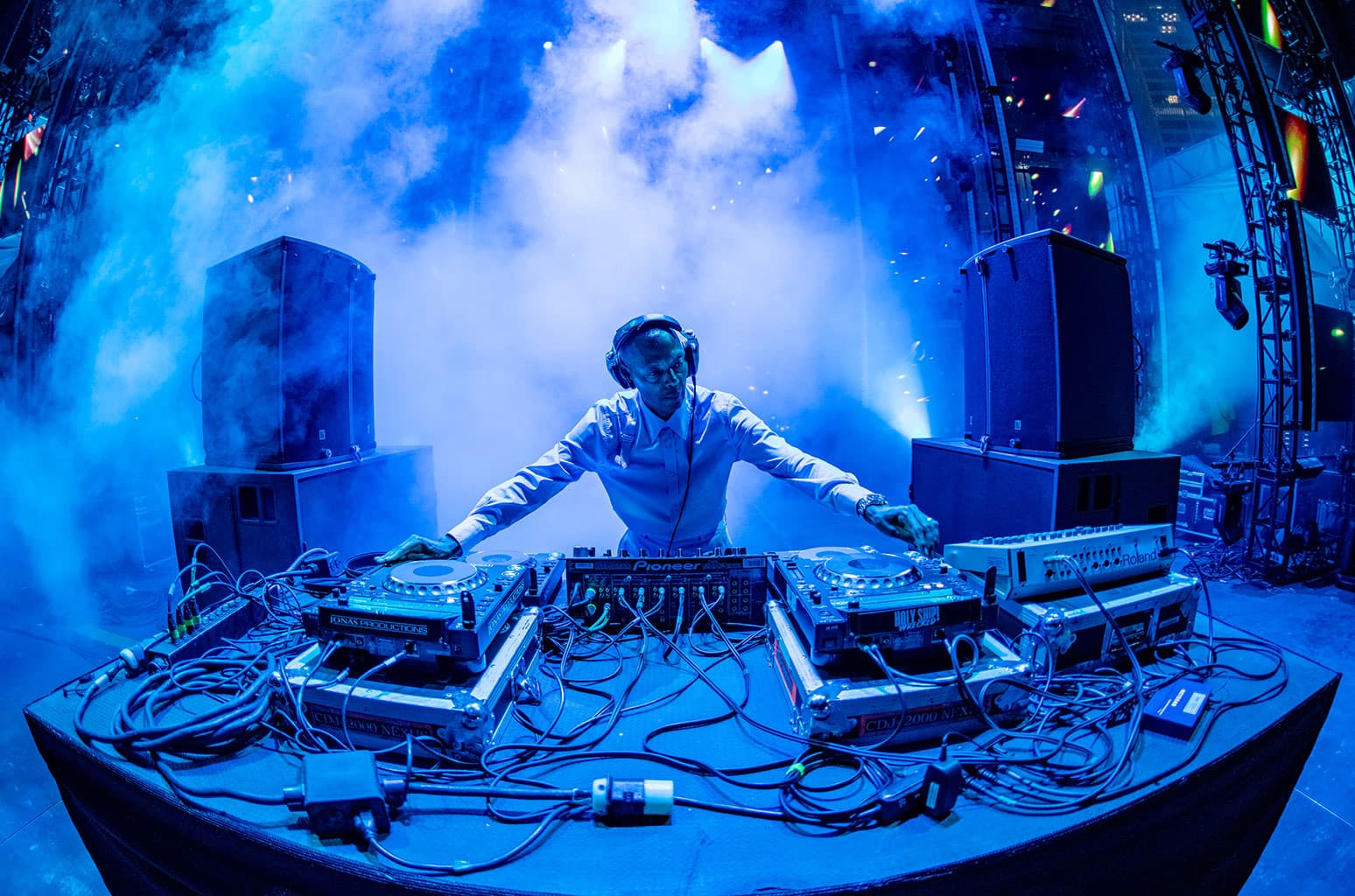
The central development of the book follows a meticulous timeline that unravels how the sound was forged in the bowels of Detroit. Through its pages, the impact of undisputed pioneers such as Juan Atkins and Derrick May is analyzed, who laid the foundations for a musical revolution driven by analog synthesis, Roland drum machines, and African-American futurism. From that initial spark, Petes-Varga's narrative crosses the Atlantic to document the explosion of the British rave culture, a social phenomenon that radically transformed the perception of dance music throughout Europe during the nineties.
'The Book of Techno' does not stop only at the traditional Anglo-Saxon epicenters. The research dedicates specific chapters to the rich club scene in Spain, highlighting the influence and trajectory of key figures such as Oscar Mulero, and delves into the meteoric rise of techno in Berlin after the fall of the wall, a sociopolitical event that redefined the global nightlife landscape and turned the German capital into the mecca of the industrial sound.
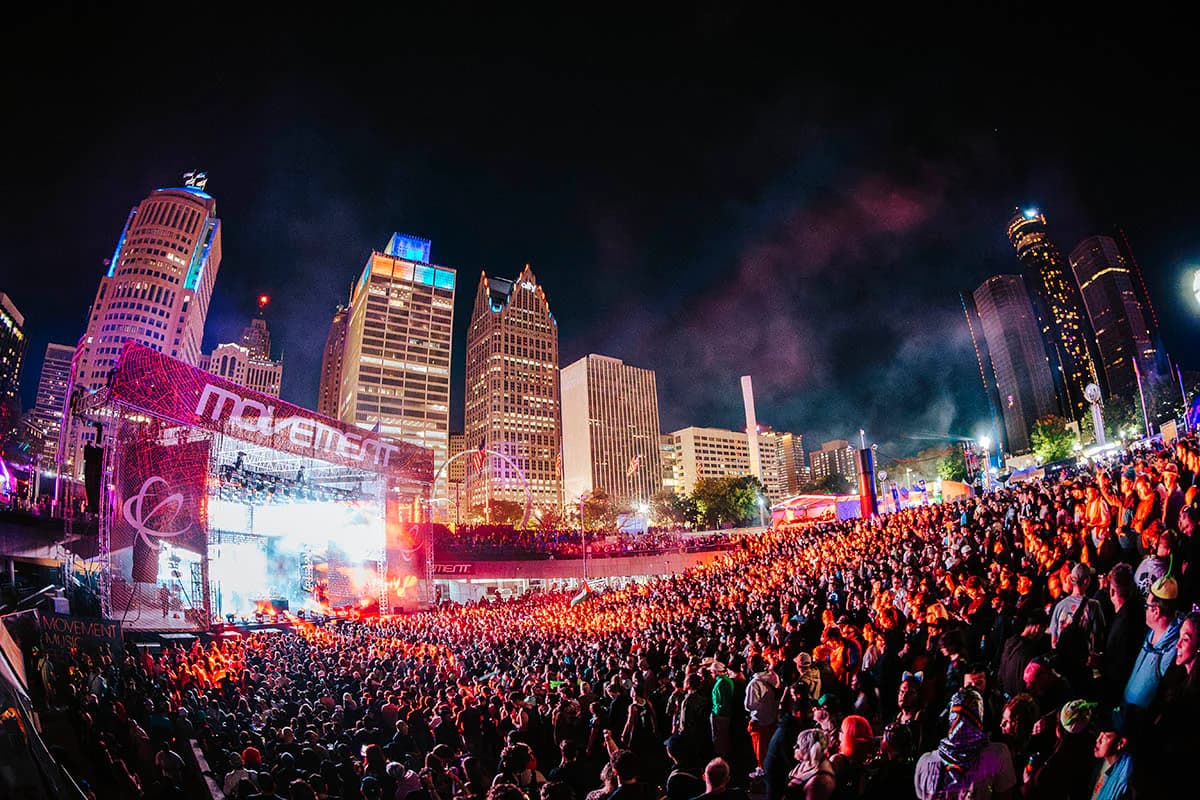
Likewise, the text explores the titanic dimension that the genre has reached today, operating now as a full-fledged cultural industry. Petes-Varga analyzes the impact of institutions and global-scale macro-events such as Awakenings or the Amsterdam Dance Event, platforms that have professionalized the sector and have catapulted artists like Richie Hawtin to the stratosphere of electronic music, changing the rules of live performance and production forever.
Techno is the most complex, diverse, and multi-layered electronic music genre of all. Nowadays, even most fans are not aware of this and call any existing electronic genre techno, which is truly regrettable.
— Mark Petes-Varga
The preservation of identity in the face of digital misinformation
One of the central pillars of Petes-Varga's work is the direct criticism of the modern terminology used by new audiences. The author reacts firmly against the current trend of labeling subgenres like Hardstyle or Psytrance under the generic umbrella of techno. As he explains in his research, many contemporary disc jockeys call themselves techno artists while simply playing what the social media algorithm or the fashion of the moment dictates, emptying the genre of its original substance and its protest charge.
Faced with a scene that sometimes embraces a sound devoid of its original essence, the publication acts as a beacon of knowledge for both vinyl format purists and newcomers to the dance floor. By documenting in detail what motivated the original creators and what perspectives the movement has reached globally, 'The Book of Techno' stands as a tool of cultural and educational resistance.
In short, Mark Petes-Varga's work reminds the global community that behind every synthesizer sequence, every bassline, and every rhythmic pattern there is a deep narrative. A story of margins, of technological innovation, and of union on the dance floor that deserves to be studied, respected, and transmitted with rigor to future generations of the electronic scene.