

The return to synthesis: 'Mirage' and contemporary dance
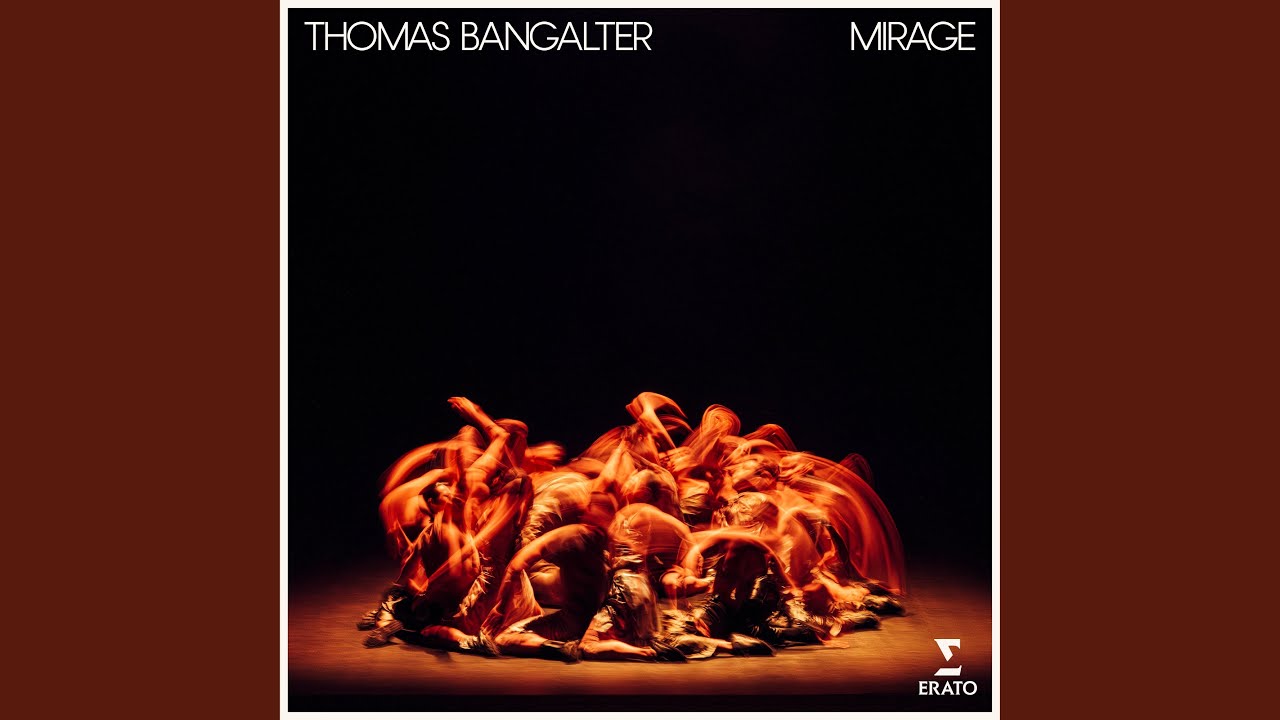
On June 5th, Daft Punk co-founder Thomas Bangalter officially released his new studio album titled Mirage - Ballet for 16 Dancers. Released through the Erato and Warner Classics labels, the project consists of a nearly 50-minute soundtrack divided into eight tracks. The work was conceived specifically for the eponymous ballet at the Grand Théâtre de Genève, a ritualistic piece orchestrated by choreographer Damien Jalet and visual artist Kohei Nawa.
Sonic exploration far from the dance floor
Unlike his previous purely orchestral work, Mythologies (2023), this new LP marks a clear return to electronic music textures, although it distances itself completely from the classic groove that catapulted him to fame. Bangalter has performed, recorded, and produced all the instruments, adopting a sculptural approach to sound that draws directly from the influence of pioneer Iannis Xenakis. The acoustic spectrum of Mirage delves into the realm of dark ambient and analog minimalism. The instrumentation combines intricate percussion with dense atmospheres that serve as an anchor for the constant physical metamorphosis of the 16 dancers on stage.
- Comprehensive production: Thomas Bangalter takes on the composition and total execution of the hardware and acoustic instruments.
- Sound engineering: Signal processing, mixing, and mastering were handled by Florian Lagatta.
- High-fidelity formats: The album has been distributed in digital format, 180g vinyl, CD, and a limited edition on Revox magnetic tapes.
Start playback
Start playback
The producer's avant-garde metamorphosis
This second major solo project since the dissolution of the legendary French duo in 2021 confirms the artist's current roadmap. Bangalter continues to expand his transversal vision toward the performing arts, demonstrating that his creative evolution prioritizes theatrical narrative and pure frequency experimentation over the commercial dynamics of contemporary clubbing.