
The epicenter of global clubbing transforms the economy of Boom
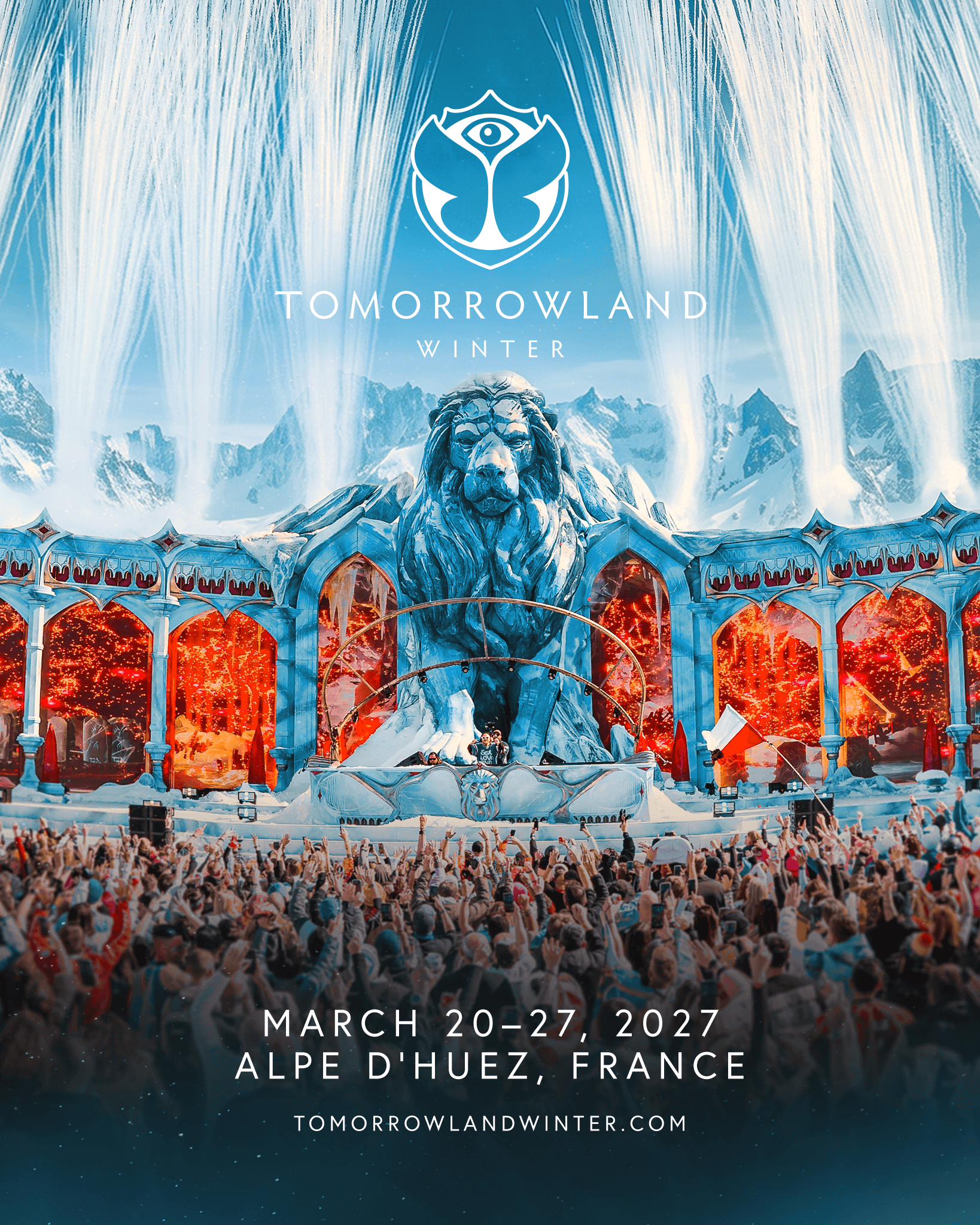
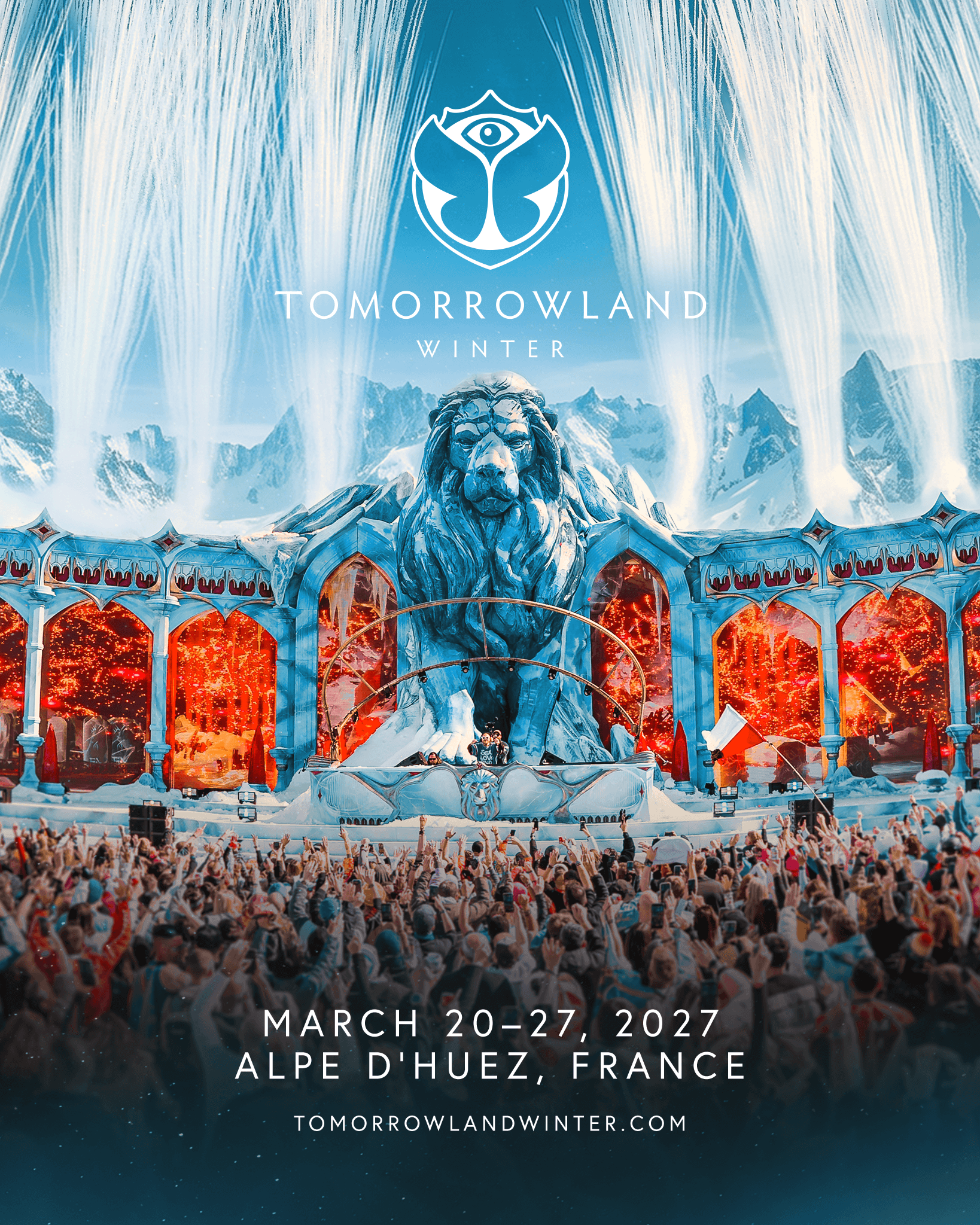
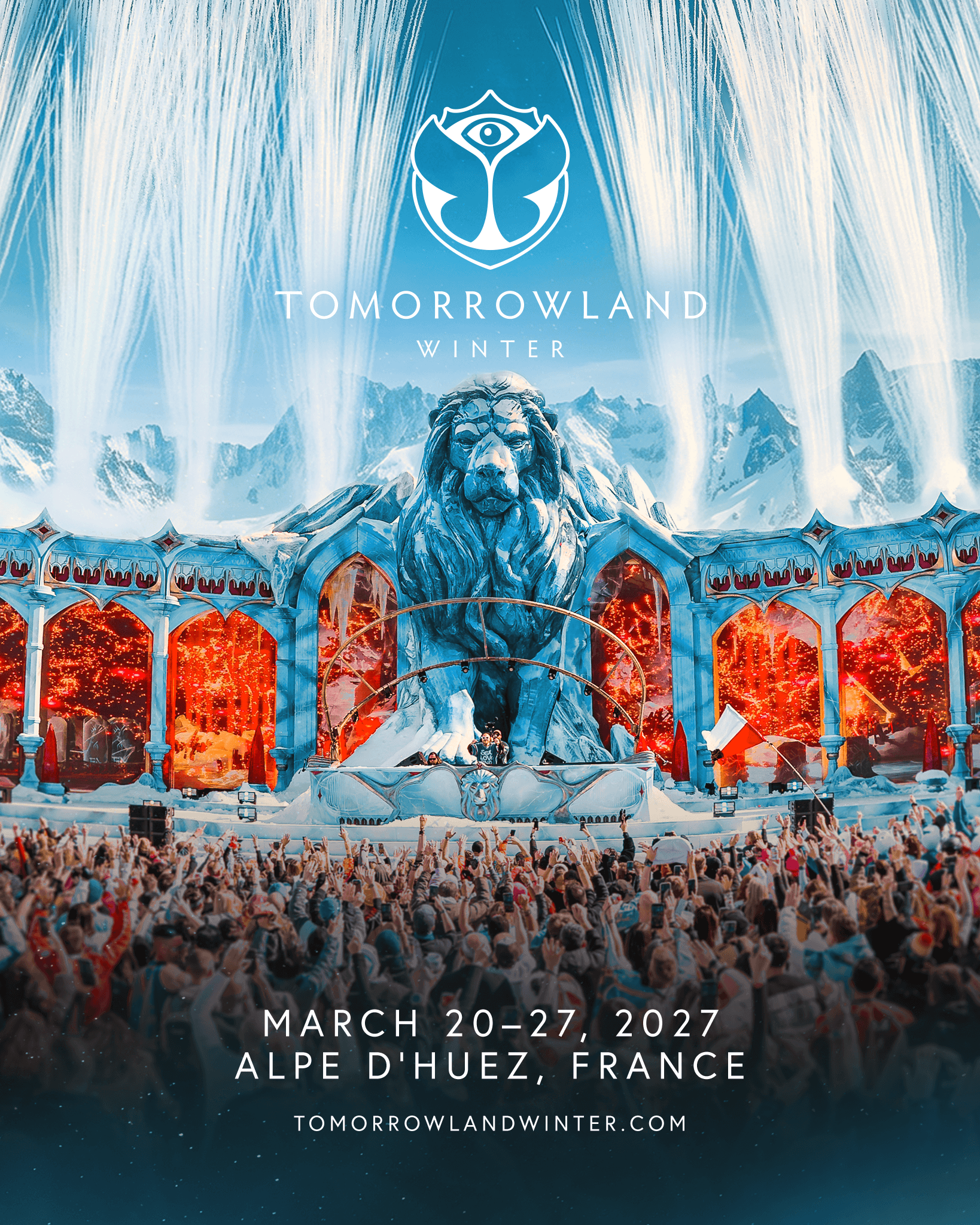
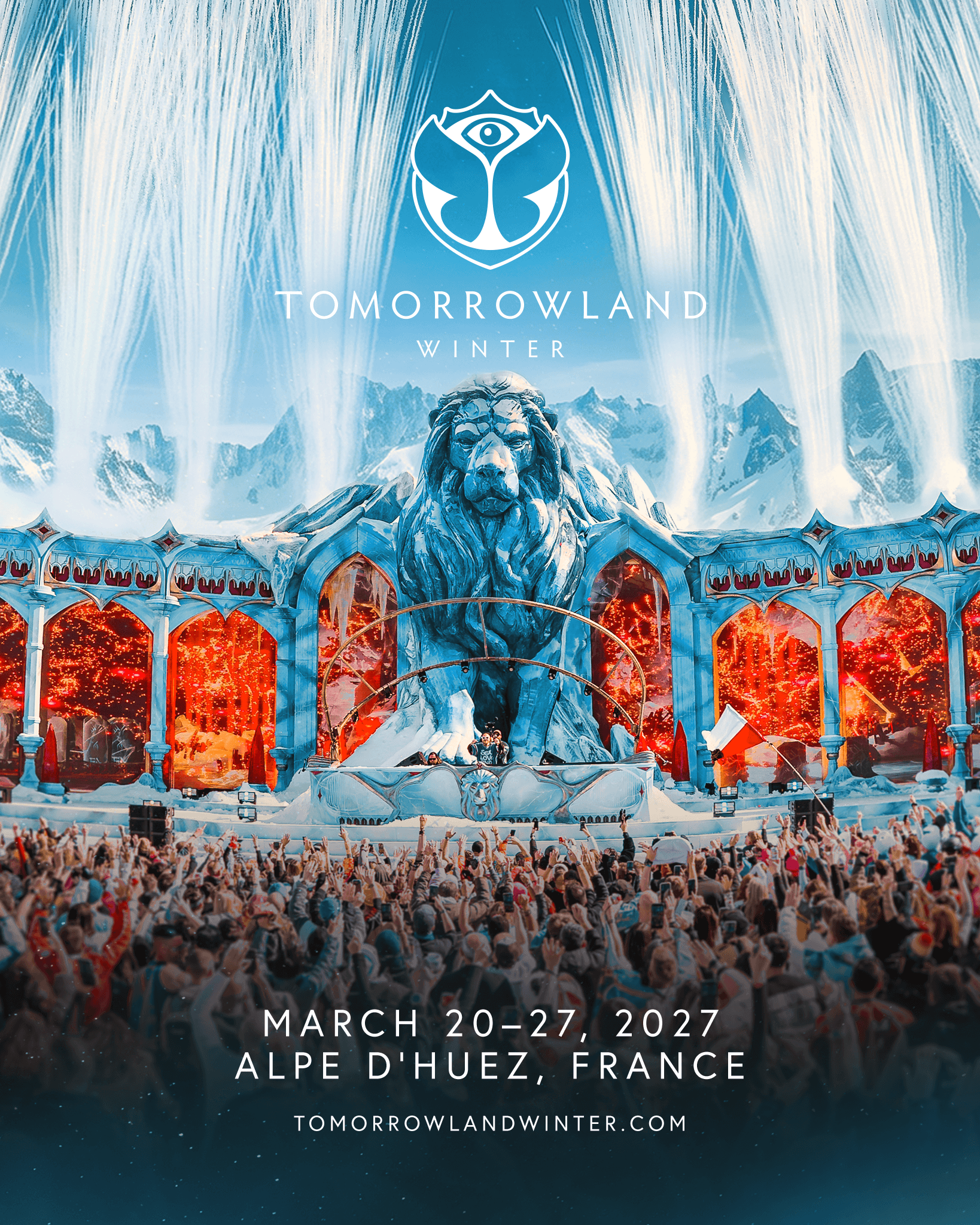
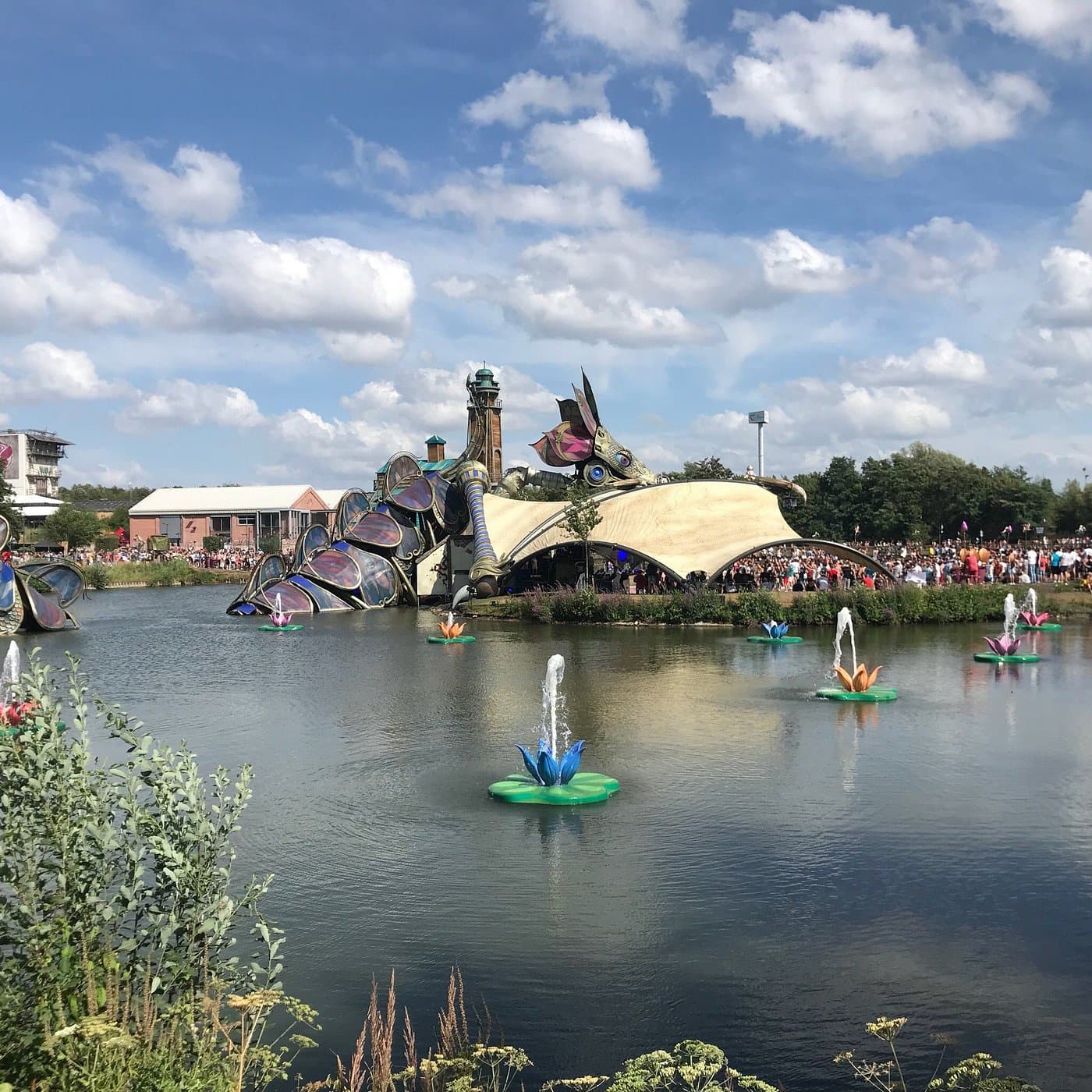
The annual celebration of Tomorrowland at the De Schorre provincial park has ceased to be solely the pinnacle of electronic music to stand as a first-rate financial engine for the inhabitants of Boom and its surrounding municipalities. During the two weekends of the festival, which bring together hundreds of thousands of attendees in total, this quiet town in the province of Antwerp experiences an unprecedented demographic and commercial metamorphosis. A recent report issued by the Belgian public broadcaster VRT NWS confirms that the local community has perfected the monetization of this avalanche of international visitors. What in the first editions of the event translated into recurring complaints about traffic jams, excessive decibels, and the saturation of public infrastructure, today represents the largest annual injection of liquidity for hundreds of families in the region.
Transport logistics play a fundamental role in this boom in local accommodation. Given that there is no direct and fast train route from Brussels Airport to the Boom station, a large volume of attendees chooses to avoid transfers in Antwerp and official buses, seeking overnight alternatives a short distance from the venue. This inelastic demand has created a parallel market where proximity to the main stages is priced at luxury rates, directly benefiting property owners in the festival's ground zero.
Rentals, makeshift campsites, and record billing
Cross-referenced data between collaborative economy platforms and the testimonies of the residents themselves expose a highly profitable commercial fabric that operates on the periphery of the festival. Residents of Boom and the neighboring town of Rumst are aggressively marketing everything from short-term residential rentals to private parking spaces in their own gardens, using specialized applications such as Campspace, SparkSpot, or Airbnb. Local success stories perfectly illustrate the magnitude of this phenomenon: the married couple Karen Depaepe and Tom Provost, residents just minutes from the venue, managed to rent a room equipped for six people with breakfast included for nine hundred euros a night. As they indicated to local media, the availability of their property sold out in just twenty-four hours after its publication, with the full profits going to fund their own family vacation.
Parallel to the makeshift hospitality industry, the region's associative fabric also capitalizes on the massive transit toward Dreamville, the immense official camping area of Tomorrowland. The soccer club Reetse Veteranen Vrienden is a paradigmatic example of this guerrilla economy. For years, the group has set up a strategic stand selling cold drinks on pedestrian access routes. With revenue of around three thousand euros per edition, the sports association manages to fund the maintenance of its grass field, the renewal of its kits, and the repairs of its facilities throughout the year, demonstrating that the economic trickle-down permeates all strata of the community.
It is the first time we have done this. We have many friends in the neighborhood who also rent out rooms and everyone has had very positive experiences so far.
— Karen Depaepe, resident of Boom
- Income of up to 900 euros per night in family homes strategically adapted for festival tourism.
- Revenue exceeding 3,000 euros by local sports groups through the sale of basic supplies.
- Commercialization of private grass plots and garage entrances for rates reaching 500 euros for the weekend.
- A global economic impact estimated at more than 280 million euros for the productive and service fabric of Belgium.
Perfect symbiosis between the BPM industry and the community
This financial ecosystem underscores an absolute paradigm shift in the contractual and emotional relationship between electronic music macro-events and their host municipalities. The direct injection of capital into the bank accounts of the citizens of Boom demonstrates that the economic impact of Tomorrowland far exceeds ticket sales, merchandising, and corporate sponsorships. In fact, recent financial reports reflect that the event generates massive economic activity at the national level, supporting thousands of full-time jobs and contributing tens of millions in taxes and social security contributions to the Belgian state.
The professionalization of residents in offering complementary services has reached such a point that numerous families plan their annual calendar based on the festival, leaving their residences during the month of July to maximize the return on investment of their properties. In short, club culture, electronic synthesis, and high BPMs not only export Belgium's cultural brand on a global scale but have also consolidated a sustainable peripheral business model. In this scenario, the resident community has ceased to be a mere passive spectator to become a direct and indispensable shareholder in the festival's continued success.