

Play
DVS1 and Aslice: The Challenge to the Electronic Industry

The electronic music industry suffers from a deep economic gap between the creators of the works and those who showcase them. While producers invest months in the studio to create a track, the DJs who play those tracks at festivals and clubs reap the greatest benefits. This dynamic creates an ecosystem where the act of mixing is much more lucrative than the sound production itself.
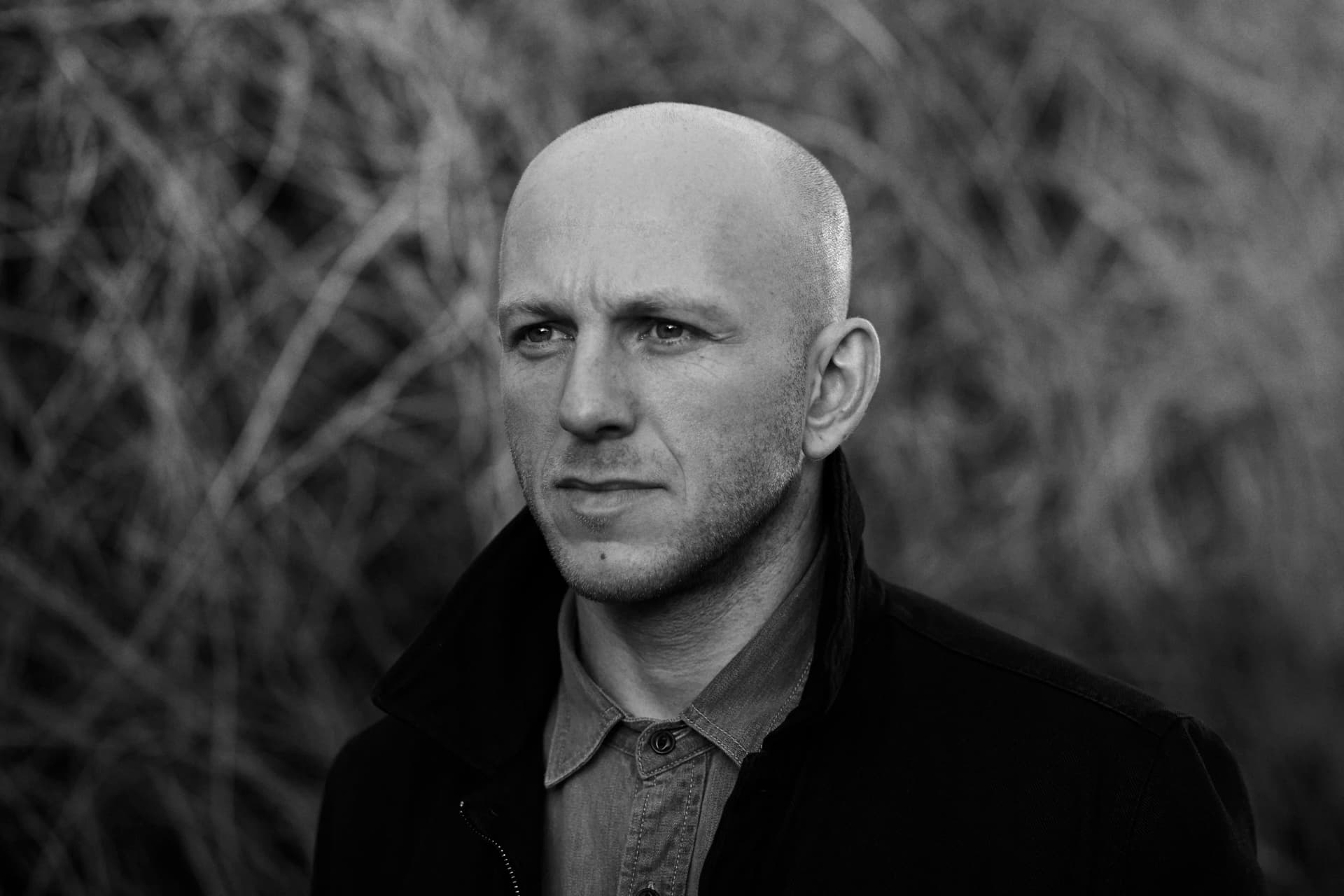
Faced with this inequality emerges Zak Khutoretsky, known as DVS1. Far from seeking commercial stardom or the role of an influencer, he forged his vision in the underground parties of Minneapolis. His philosophy maintains that the spotlight should fall on the dance floor, relegating the DJ's ego. This consistency led him to question the rules of a game he considered unfair to club culture.
To materialize the change, DVS1 promoted Aslice, a platform designed to balance the sector's financial scales. The concept was revolutionary: to make it easy for DJs to voluntarily share a percentage of their fees with the producers whose music they used in their sets. The goal was to establish a direct income stream that would reward the creators in the shadows and ensure the sustainability of the scene.
However, the initiative uncovered an uncomfortable reality. Although the predominant discourse in the industry advocates for mutual support, the response to Aslice evidenced a notable hypocrisy. A large part of established DJs showed reluctance to give up a fraction of their income, demonstrating that changing an established system is much more complex than proclaiming good intentions in public.
The project's journey leaves an open debate about the real value of music and the ethics of those who lead international lineups. The resistance to adopting an equitable model raises the question of whether the industry is willing to evolve or if economic profit will continue to take precedence over respect for the producers who nourish the global scene with sound.
Mentioned
Upcoming from mentions
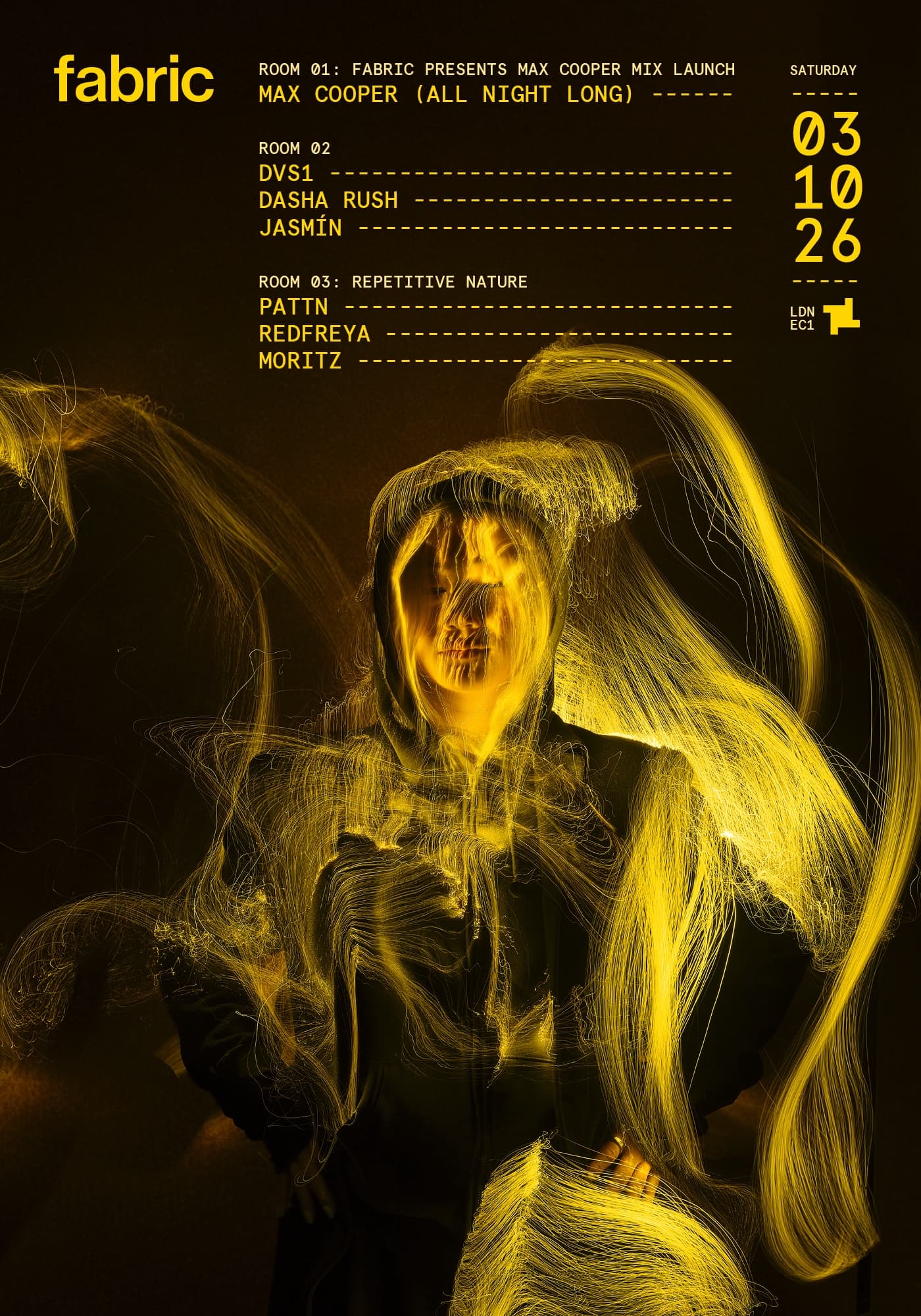
fabric: Max Cooper (All Night Long), DVS1, Dasha Rush, Jasmín
Max Cooper / DVS1 / Dasha Rush
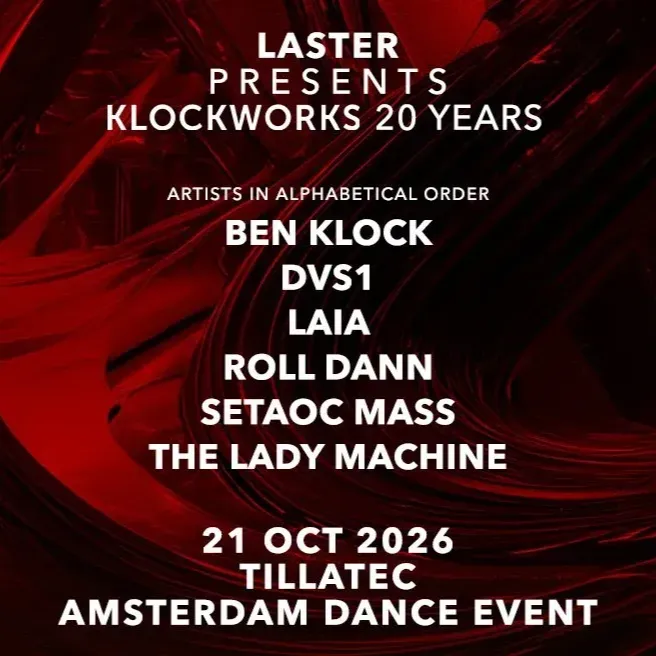
LASTER presents KLOCKWORKS 20 YEARS
Ben Klock / DVS1
Amsterdam Dance Event 2026 - Miércoles 21
Armin van Buuren / Benwal / Black Coffee
Amsterdam Dance Event 2026 - Viernes 23
BASHKKA / Job Jobse / Mochakk
 12:52Tequila Thru
The Evolution of French House: From French Touch to Underground
 11:41Tequila Thru
The Transformation of Electronic Music Festivals
 11:22Tequila Thru
Vitalic: Trajectory, Identity and the Trap of his Success
 11:31Tequila Thru
Laurent Garnier and The Haçienda: The essence of electronic music
 11:17Tequila Thru
Goldie and Timeless: How Drum & Bass Became Art
 12:52Tequila Thru
Sama Abdulhadi and the birth of techno in Palestine
 10:31Tequila Thru
Colin Benders: From Orchestra Conductor to Modular Techno
 10:11Tequila Thru
The Impact of the Digital Era on Electronic Music Consumption
 10:01Tequila Thru
From Kraftwerk to Daft Punk: Two Visions of Electronic Music
 11:02Tequila Thru
Jeff Mills and techno in the face of the algorithm era
 Explore channel
See every video from Tequila Thru