

Play
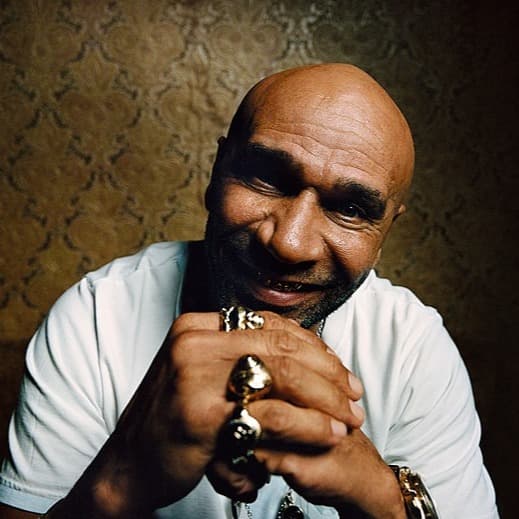
Goldie and Timeless: How Drum & Bass Became Art

The trajectory of one of the most influential pioneers of British electronic music did not begin in a conservatory, but in train depots during the eighties. Goldie, a key figure in the evolution of broken beats, began his creative path in the world of graffiti. In an era before social media, painting train cars was the most direct way to claim existence and leave a mark on the urban environment, a defiant attitude that he would later transfer to the sonic realm.
At the beginning of the nineties, while New York, Detroit, or Berlin already had a consolidated sonic identity, London began to gestate its own movement. This ecosystem was characterized by a creative chaos that fused influences of reggae, dub, hip hop, breakbeat, and acid house. From this amalgam emerged jungle, a frenetic genre marked by accelerated rhythms and deep basslines that perfectly captured the tension and the inexhaustible dynamism of the British metropolis.
Although many perceived jungle as aggressive music designed for sweating in clandestine raves, Goldie knew how to identify a deep emotional charge behind the speed of the BPM. His vision consisted of using samplers and synthesizers with the same rebelliousness with which he wielded spray cans. The goal was not to create conventional dance tracks, but to demonstrate that this electronic branch could tell complex stories and convey an unusual elegance in the scene.
The definitive turning point arrived in 1995 with the release of Timeless, a work that redefined the limits of the genre. The album stripped drum & bass of its stigmas, incorporating immersive atmospheres and arrangements that generated silences as heavy as the sub-bass. With this move, drum & bass ceased to be considered a passing fad to sit at the same table as jazz or techno, consolidating Goldie as an authentic visionary of underground culture.
Mentioned
Upcoming from mentions
 12:52Tequila Thru
The Evolution of French House: From French Touch to Underground
 11:41Tequila Thru
The Transformation of Electronic Music Festivals
 11:22Tequila Thru
Vitalic: Trajectory, Identity and the Trap of his Success
 11:31Tequila Thru
Laurent Garnier and The Haçienda: The essence of electronic music
 12:52Tequila Thru
Sama Abdulhadi and the birth of techno in Palestine
 10:32Tequila Thru
DVS1 and Aslice: The Challenge to the Electronic Industry
 10:31Tequila Thru
Colin Benders: From Orchestra Conductor to Modular Techno
 10:11Tequila Thru
The Impact of the Digital Era on Electronic Music Consumption
 10:01Tequila Thru
From Kraftwerk to Daft Punk: Two Visions of Electronic Music
 11:02Tequila Thru
Jeff Mills and techno in the face of the algorithm era
 Explore channel
See every video from Tequila Thru